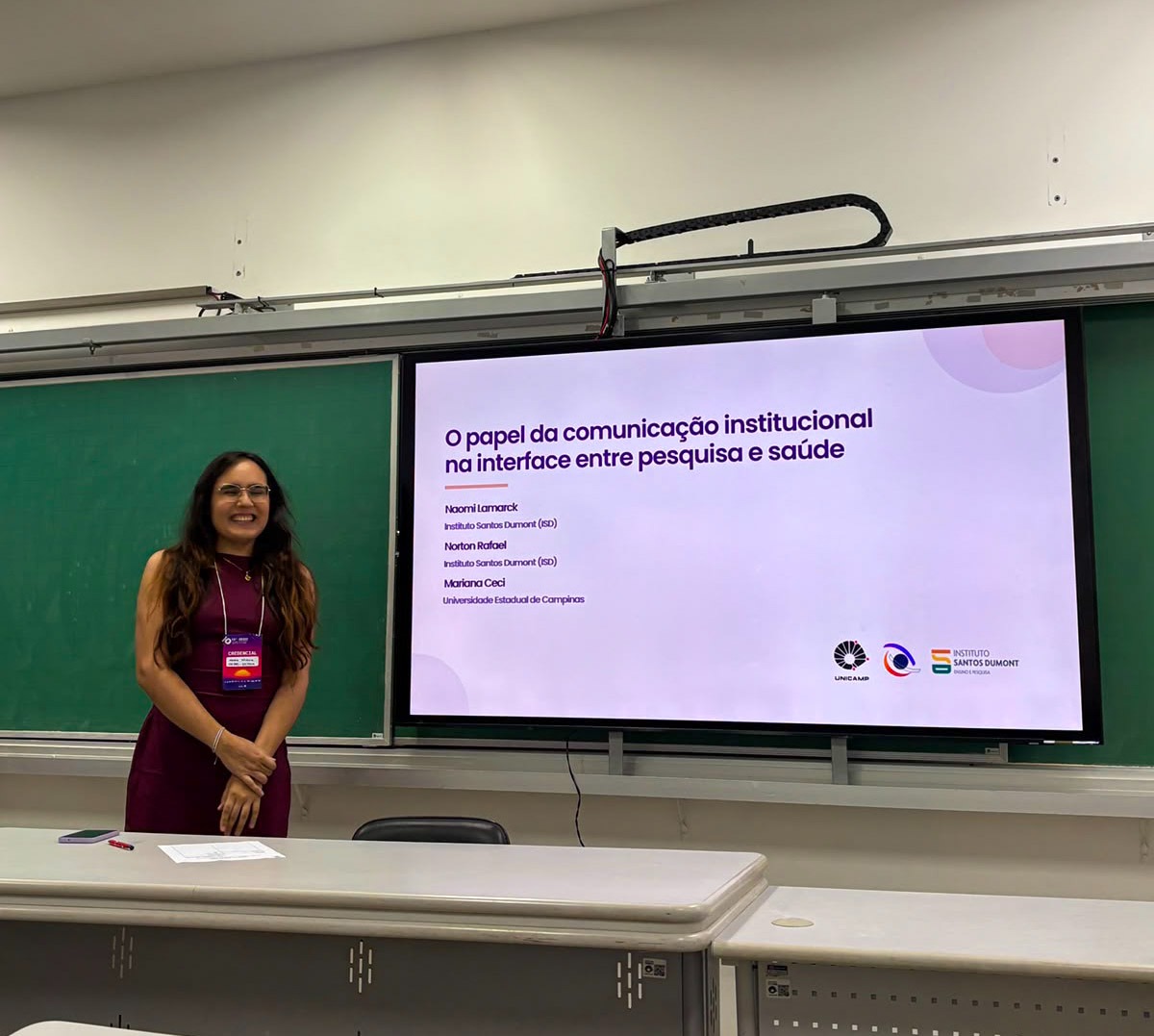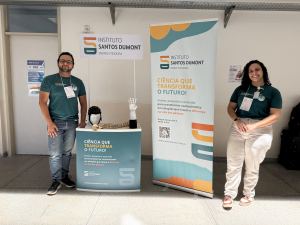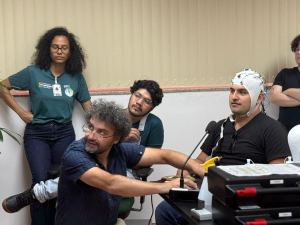


Master's student Amanda Keveny, a student in the Postgraduate Program in Neuroengineering (PPGN) at the Santos Dumont Institute (ISD), participated in the XXV Brazilian Symposium on Human Factors in Computer Systems (IHC 2026), held from October 19 to 23 in Quixadá, Ceará. During the event, the researcher presented the article "Music, game and electroencephalogram in a brain-computer interface for minimally verbal children," a work that relates neuroengineering, human-computer interaction, and the development of technologies aimed at accessibility and inclusion.
Promoted by the Brazilian Computer Society (SBC), IHC is the main Brazilian scientific forum dedicated to the area of Human-Computer Interaction (HCI) and user experience. The event brought together researchers, students, and professionals to discuss advances and challenges related to accessibility, usability, design, interfaces, and inclusive technologies.
For Amanda, participating in the symposium represented an opportunity to deepen her knowledge, learn about research being conducted in Brazil and abroad, and establish connections with other areas of knowledge.
“Participating in the congress was a very enriching experience, which allowed me to expand my knowledge about human-computer interaction and its applications in accessibility, inclusion, neurodiversity, and health. It was especially significant to recognize, in research from Brazil and around the world, connections with what we study in the Master's program in Neuroengineering at ISD, in addition to sharing my work and exchanging experiences with researchers from different areas,” reported the master's student.
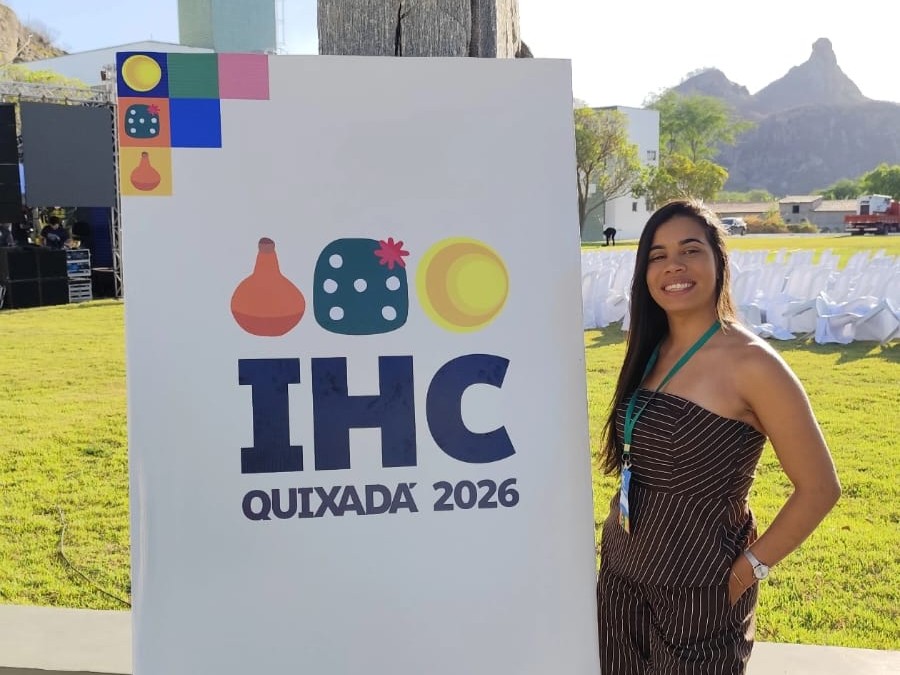
The IHC 2026 program included presentations of papers, technical sessions, mini-courses, panels, workshops, and cultural activities. The discussions fostered scientific exchange and closer ties between different research fields dedicated to the development of systems and technologies centered on people's needs.
The participation of PPGN students in scientific events contributes to the dissemination of work developed at the Institute, the sharing of results with the academic community, and the strengthening of the interdisciplinary training of master's students. The experience also expands the possibilities for dialogue and collaboration with researchers from different institutions and areas of knowledge.
About ISD
The Santos Dumont Institute (ISD) is a Social Organization of the Federal Executive Branch, supervised by the Ministry of Education, with the intervention of the Ministry of Sport. It encompasses the Edmond and Lily Safra International Institute of Neuroscience and the Anita Garibaldi Center for Education and Research in Health, both located in Macaíba. The ISD's mission is to promote education for life, forming citizens through integrated teaching, research, and outreach activities, as well as contributing to a more just and humane transformation of Brazilian social reality.