


The Santos Dumont Institute (ISD) is with registrations open for the Update Forum on Care for People with Spina Bifida, aimed at both internal and external audiences of the institution. The event will take place on November 11th, starting at 8:30 am, at the Edmond and Lily Safra International Institute of Neuroscience (IIN-ELS), in Macaíba.
With the goal of disseminating updates and strengthening the care pathway for this condition, of which myelomeningocele is the most common type, the meeting will bring together specialized professionals to discuss the most current and scientifically sound approaches in multidisciplinary care.
The program was entirely designed to encompass all life stages, from gestation to adulthood, highlighting biopsychosocial and multidisciplinary care with a focus on the participation and social inclusion of people with spina bifida and their families.
Target audience and registration
The event is aimed at healthcare professionals, students, as well as people with spina bifida and their families.
Registration is free and must be done by filling out the form. online registration formIt is worth noting that there is a limit of 80 places reserved for the general public.
What is spina bifida?
Spina bifida is a congenital malformation of the neural tube that primarily affects the spine and central nervous system. It is characterized by the failure of the vertebrae to fuse properly during fetal development, resulting in an opening in the spinal column.
Spina bifida is usually diagnosed prenatally through routine ultrasounds. In some cases, the condition is identified after birth. Treatment may include surgery to repair the spinal defect typical of spina bifida. The condition requires lifelong follow-up, even after surgery.
Schedule:
- 8:30 AM to 9:00 AM – Opening official, with theme "Spina bifida in 2026: why we need to think about a lifelong care pathway?" (Camila Rocha Simão)
Block 1 — From Prenatal Diagnosis to Birth (Round Table)
- 9:00 AM to 9:20 AM – Prenatal diagnosis of spina bifida: Paths and possibilities (Carolina Resende and Camila Rocha Simão)
- 9:20 AM to 9:40 AM – Fetal surgery for myelomeningocele: indications, results, and current limitations (Igor Faquini)
- 9:40 AM to 10:00 AM – Welcoming pregnant mothers of children with spinal dysraphism. Have we evolved in the last twenty years? (Neurinho Association and Camila Rocha Simão)
- 10:00 AM to 10:30 AM – New Classification: Understanding the different types of spina bifida and their importance (Ângelo Raimundo da Silva Neto)
Block 2 — The Child with Spina Bifida: Preventing Complications
- 10:30 AM to 11:00 AM – Neurogenic bladder: urological assessment and rehabilitation (Silvia Oliveira Ribeiro Lira)
- 11:00 AM to 11:30 AM – Orthopedics in spina bifida: what to treat and what not to treat? (Kalyana Eduardo)
- 11:30 AM to 12:00 PM – Tethered spinal cord in a patient with spina bifida (Ângelo Raimundo da Silva Neto)
- 12:00 to 13:30 – Lunch
Block 3 — More Than Just Walking: Functionality and Independence
- 1:30 PM to 2:00 PM – Physiotherapy throughout life: mobility, gait, transfers, and deformity prevention (Clea Emanuela Barreto de Medeiros)
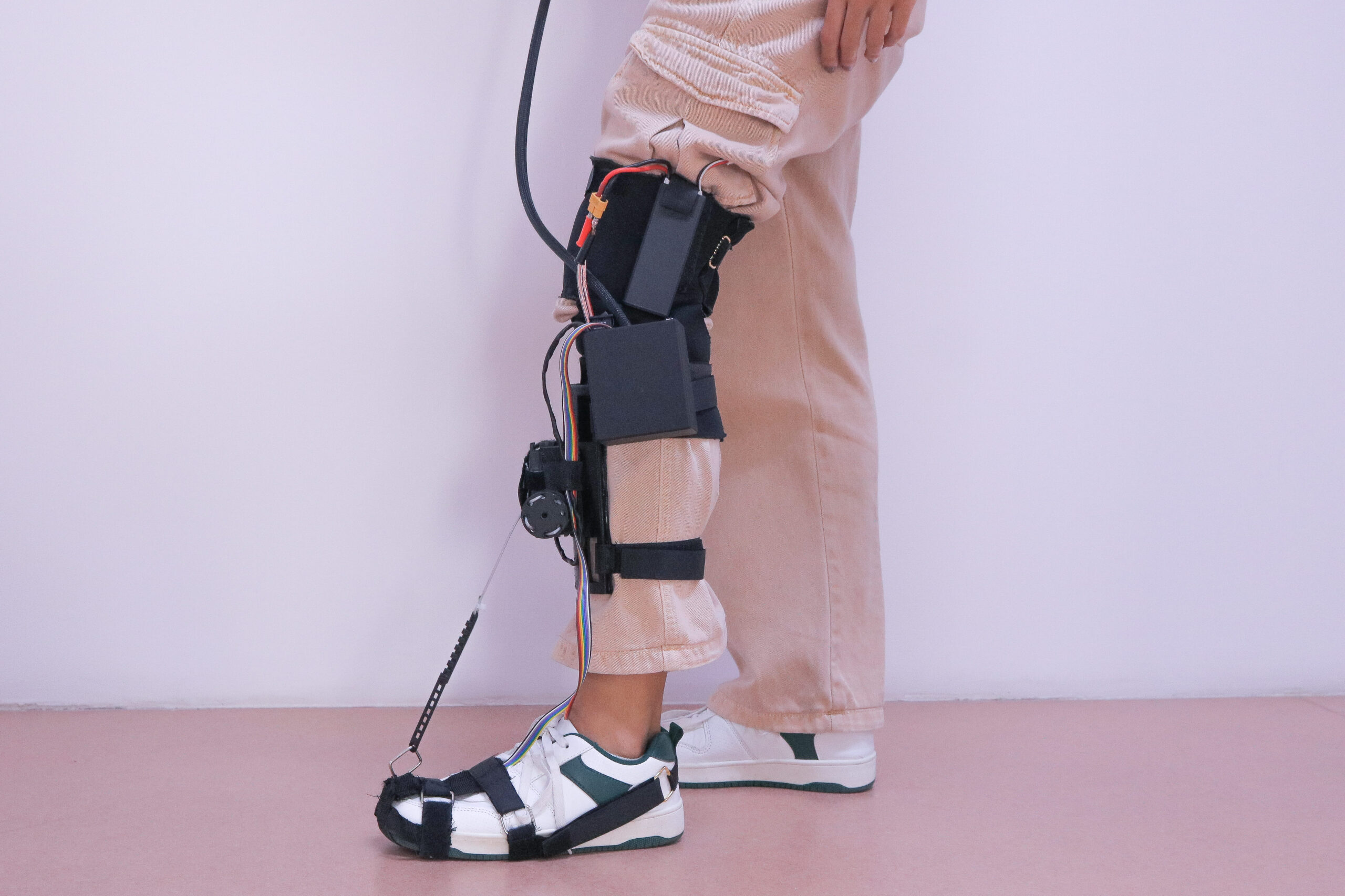
- 2:00 PM to 2:30 PM – Orthotics, wheelchairs, and assistive technologies: choosing to gain independence (Maria Clara Lima da Cruz and Camila Rocha Simão)
- 2:30 PM to 3:00 PM – Paralympic Sport: Sport as a tool for health, autonomy, and inclusion (Candze Maria da Silva)
Block 4 — Cognition, Family, and Social Participation
- 3:00 PM to 3:30 PM – Beyond motor deficits: neuropsychological profile, executive functions, learning and language in spina bifida (Luana Metta and Nyara Aguiar)
- 3:30 PM to 4:00 PM – Family, school, rights and social vulnerability: the role of Social Work (Anna Waleska)
- 4:00 PM to 4:30 PM – Adolescence, sexuality, self-care, and building autonomy (Erica Juliana and Thays Brígido)
- 4:30 PM to 5:00 PM – Transition to adulthood: why do these users get lost along the way? (Transition Team, Pediatrics, Adult Medicine)
Service:
Date: November 11, 2026
Location: Edmond and Lily Safra International Institute of Neuroscience (IIN-ELS), a unit of the Santos Dumont Institute.
Course duration: 8 hours
Hours: 8:30 AM to 12:00 PM, 1:30 PM to 5:00 PM
About ISD
The Santos Dumont Institute (ISD) is a Social Organization of the Federal Executive Branch, supervised by the Ministry of Education, with the intervention of the Ministries of Sport and Health. It encompasses the Edmond and Lily Safra International Institute of Neuroscience and the Anita Garibaldi Center for Education and Research in Health, both located in Macaíba. The ISD's mission is to promote education for life, forming citizens through integrated teaching, research, and outreach activities, as well as contributing to a more just and humane transformation of Brazilian social reality.