


Scientific research conducted at the Santos Dumont Institute (ISD) is gaining new horizons with the acceptance of four graduates of the institution's Graduate Program into national and international doctoral programs. Building on work initiated at the ISD in Macaíba, the doctoral students will work in various locations around the world, developing innovative solutions to global problems.
For two years, the professionals, who come from different fields, developed interdisciplinary research in areas such as brain studies, clinical analysis, and the development of assistive technologies for people with disabilities.
During her Master's degree in Neuroengineering at ISD, psychologist Ingrid Queiroz participated in a project supervised by researcher Andressa Radiske, with the aim of investigating mechanisms involved in the formation of memories related to fear.
Having completed her doctorate at the Hospital del Mar Research Institute in Barcelona, Ingrid will now research how memory works in humans using hippocampal neurons.
"As a psychologist, I've always wanted to understand human cognition, and understanding how the brain correlates memories with learning could be the basis for understanding human intelligence and our capacity for abstract thought, which differentiates us from other species. It's a very challenging opportunity and outside my comfort zone, which makes me very excited," says the doctoral student.

Research lines like Ingrid's aim to deepen existing theories and strengthen the foundation for new technologies. This field also includes the work of systems analyst Gustavo Maciel, who, under the guidance of Professor Carolina Gonzalez, developed a tool for neural data extraction and analysis at the ISD.
Now, as part of his PhD in Psychobiology at the Federal University of Rio Grande do Norte (UFRN), Gustavo will research brain function in animal models, seeking to correlate patterns of movement and behavior with signals produced in important regions of the brain.
"The experience and knowledge I gained at ISD is fundamental to all my research. From good laboratory practices and process knowledge to the possibilities for innovation in computational neuroscience and the application of technology to data analysis with animal models," Gustavo emphasizes.

Also approved for a doctorate at UFRN, biomedical engineer Deyvisom Dantas will have as his research topic, in the Postgraduate Program in Bioinformatics, the study of complex biological systems, integrating computational analysis and mathematical modeling and neuroscience approaches.
This line of research allows for the deepening of knowledge acquired at the ISD, where Deyvisom studied changes in brain patterns in cases of upper limb amputation, under the guidance of researcher Hougelle Simplício.
"I hope that the results obtained during this period can, in some way, contribute to scientific advancement and generate a positive impact in the field. ISD was a turning point in my path to this opportunity," he says.

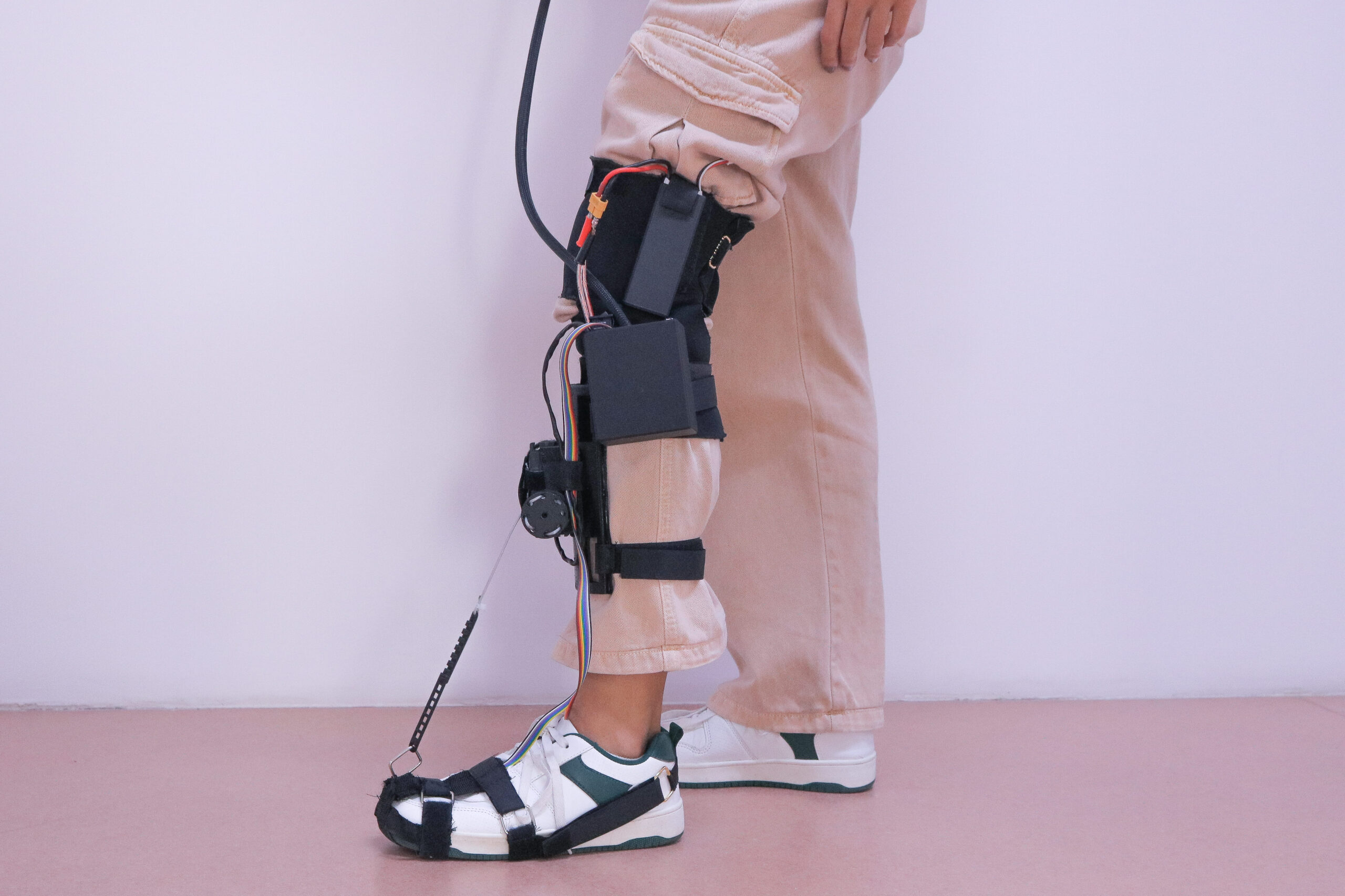
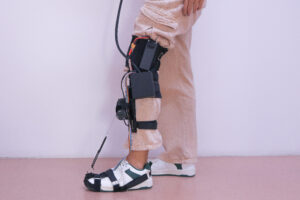
In the area of computational research, electrical engineer Lucas Costa, who at ISD developed, under the guidance of Professor Denis Delisle-Rodriguez, a brain-computer interface to enhance the rehabilitation of people with spinal cord injuries, was accepted for a doctorate in Electrical Engineering at the University of São Paulo (USP) in São Carlos.
There, the ISD graduate is part of the neuroengineering research program, a recent addition to the campus, with an emphasis on brain-machine interfaces (BMIs). The project involves the use of BMIs in automated wheelchairs.
"I hope to contribute to this field, making these interfaces more widely known and accessible to the general public. I believe my experiences at ISD have helped me become a more mature researcher, better understanding the importance of the viability of using a system in a more real-world context," the neuroengineer notes.

About ISD
The Santos Dumont Institute is a Social Organization linked to the Ministry of Education (MEC) and includes the Edmond and Lily Safra International Neuroscience Institute and the Anita Garibaldi Health Education and Research Center, both in Macaíba. ISD's mission is to promote education for life, forming citizens through integrated teaching, research and extension actions, in addition to contributing to a fairer and more humane transformation of Brazilian social reality.