
fethiye escort bodrum escort masöz

Basic research: studies that form the basis of scientific knowledge

Posted in May 19, 2025

As science and technology advance, humanity is faced with new challenges and questions about how we think, behave and function. Basic research, a field dedicated to exploring scientific theories and methodologies without focusing on immediate practical applications, is one of the categories most used by scientists to unravel natural mechanisms and phenomena, helping to build the foundation for future discoveries.

The Santos Dumont Institute (ISD), a social organization linked to the Ministry of Education (MEC), incorporates this type of research into the institution's scientific program. Through the Postgraduate Program in Neuroengineering (PPGN), a pioneer in Brazil, the ISD promotes interdisciplinary lines of research, ranging from basic research, in its meticulous processes on the laboratory bench, to innovations in technologies and health protocols.

Andressa Radiske, one of the research professors at ISD, emphasizes that, although the results of basic research do not always have immediate application, they serve as a basis for scientific advances that, in the future, may lead to new technologies and clinical treatments. 

“During my undergraduate studies in Biomedicine, I realized that many of the innovations in medicine and pharmacology were born from discoveries made in basic research. Studies on molecular interactions, for example, were fundamental for the creation of drugs. These advances show how this type of research is the basis for the development of applied sciences,” says the researcher.

Many of the technological advances that are now part of our daily lives came from research conducted decades earlier, with no intention of practical application. An example of this is the fundamental research by Watson, Crick and Rosalind Franklin, which described the structure of DNA in the 1950s, without it being possible to foresee all of its implications at the time.

At ISD, research focuses on the areas of neuroengineering, neuroscience and health of people with disabilities and combines diverse methodologies, such as molecular analyses and the use of computational models, to investigate complex issues. In the context of interdisciplinarity, basic research plays a fundamental role in verifying scientific theories and deepening the knowledge base, which, in practice, means more well-founded results from clinical and technological studies.

Basic research at ISD

Some of the PPGN/ISD research professors dedicate their attention to basic research, investigating characteristics such as memory, aging and learning using animal models.

The Argentine scientist Maria Carolina Gonzalez, coordinator of the PPGN, conducts and supervises studies on the neural mechanisms involved in memory formation. The main objective of this research is to understand how the brain stores different information in an integrated way, giving rise to episodic memory (remembering personal events and experiences). The studies also seek to understand how different drugs affect the durability of this memory.

Also having memory as the main element of his research, the biologist Ramon Hypolito seeks to understand mechanisms linked to the formation and modification of instrumental memories, related to motor skills and procedures such as task performance. In addition, it also researches how environmental variation – for example, exposure to stress – can modulate the formation and maintenance of memories.

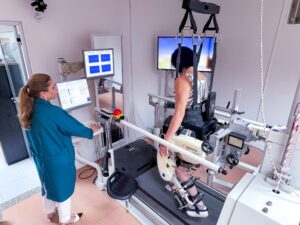
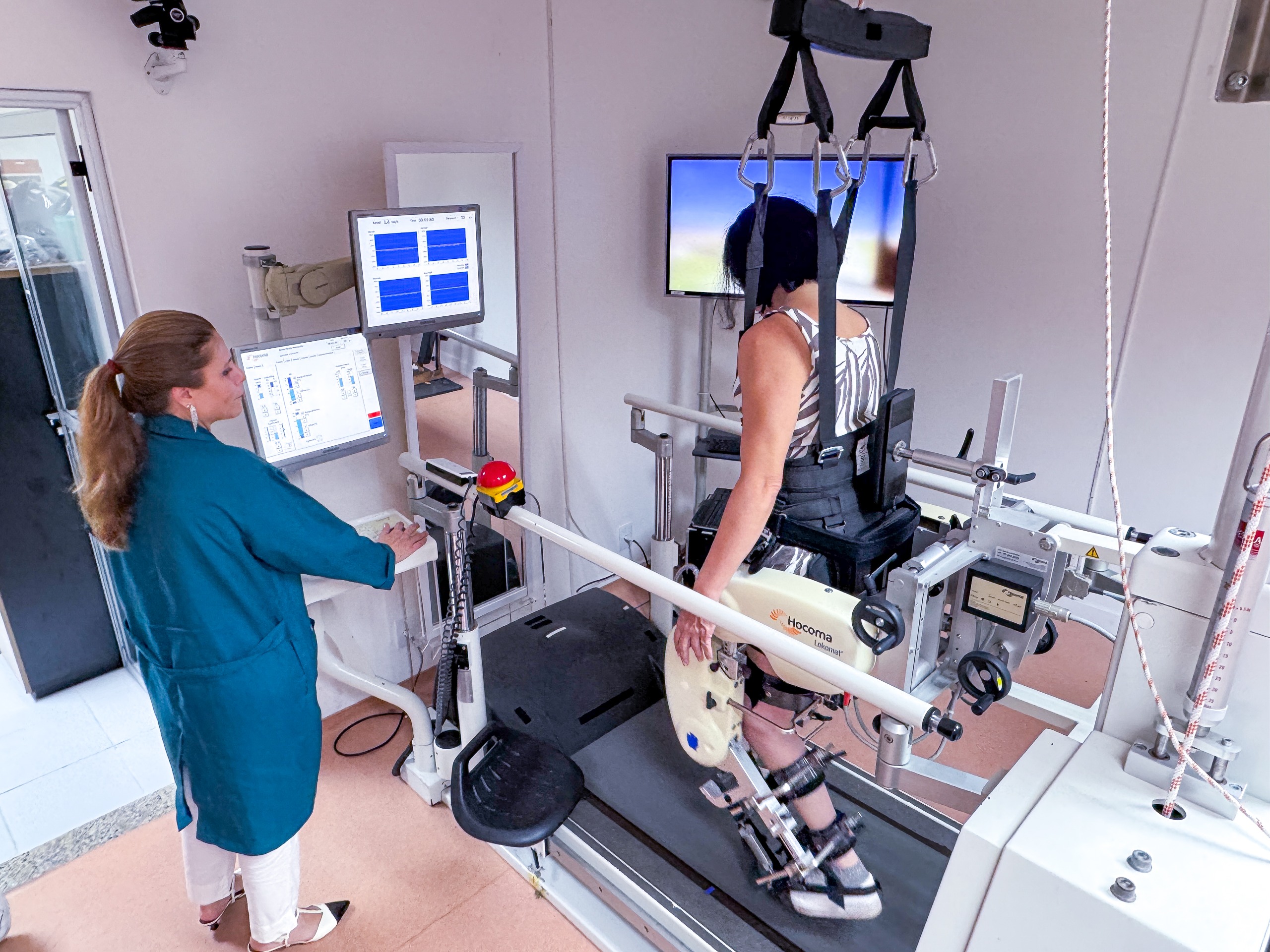
In the context of rehabilitation, the physiotherapist Caroline Cunha studies ways to restore locomotion in cases of spinal cord injury. He is currently coordinating two projects focused on this topic. The first investigates the potential of paired associative stimulation, which consists of mutual stimulation of the spinal cord and partially paralyzed skeletal muscle, for restoring gait. The second seeks to characterize the pathophysiological aspects of the neurogenic bladder resulting from spinal cord injury.

Also in the field of memory, Andressa Radiske works on the characterization of behavioral patterns and electrophysiological changes associated with the formation and expression of aversive memories, linked to fear and trauma. The research focuses on identifying the factors that make these memories more or less susceptible to the action of drugs that induce selective amnesia. 

Now the work of Felipe Fiuza, a biologist by training, is dedicated to understanding how brain cells age. With the increase in life expectancy in modern societies, diseases related to brain aging are now among the leading causes of death in the world. Therefore, the neuroscientist focuses on investigating the chemical identity of the brain and how this differs in healthy aging in relation to the development of neurodegenerative diseases, such as Alzheimer's.

“The results generated by my research group help explain why people age at different rates and which brain areas are most vulnerable to damage caused by Alzheimer’s. I hope that, in the future, this research will contribute to improving the quality of life of people who are living longer,” the researcher points out.


About ISD

The Santos Dumont Institute (ISD) is a Social Organization linked to the Ministry of Education (MEC) and includes the Edmond and Lily Safra International Neuroscience Institute and the Anita Garibaldi Center for Health Education and Research, both in Macaíba. ISD's mission is to promote education for life, forming citizens through integrated teaching, research and extension actions, in addition to contributing to a fairer and more humane transformation of Brazilian social reality.

Communication Office
comunicacao@isd.org.br
(84) 99416-1880

Share this news

Recommended

More news

Basic research: studies that form the basis of scientific knowledge

As science and technology advance, humanity is faced with new challenges and questions about how we think, behave and function. Basic research, a field dedicated to exploring scientific theories and methodologies without focusing on immediate practical applications, is one of the categories most used by scientists to unravel natural mechanisms and phenomena, helping to build the foundation for future discoveries.

The Santos Dumont Institute (ISD), a social organization linked to the Ministry of Education (MEC), incorporates this type of research into the institution's scientific program. Through the Postgraduate Program in Neuroengineering (PPGN), a pioneer in Brazil, the ISD promotes interdisciplinary lines of research, ranging from basic research, in its meticulous processes on the laboratory bench, to innovations in technologies and health protocols.

Andressa Radiske, one of the research professors at ISD, emphasizes that, although the results of basic research do not always have immediate application, they serve as a basis for scientific advances that, in the future, may lead to new technologies and clinical treatments. 

“During my undergraduate studies in Biomedicine, I realized that many of the innovations in medicine and pharmacology were born from discoveries made in basic research. Studies on molecular interactions, for example, were fundamental for the creation of drugs. These advances show how this type of research is the basis for the development of applied sciences,” says the researcher.

Many of the technological advances that are now part of our daily lives came from research conducted decades earlier, with no intention of practical application. An example of this is the fundamental research by Watson, Crick and Rosalind Franklin, which described the structure of DNA in the 1950s, without it being possible to foresee all of its implications at the time.

At ISD, research focuses on the areas of neuroengineering, neuroscience and health of people with disabilities and combines diverse methodologies, such as molecular analyses and the use of computational models, to investigate complex issues. In the context of interdisciplinarity, basic research plays a fundamental role in verifying scientific theories and deepening the knowledge base, which, in practice, means more well-founded results from clinical and technological studies.

Basic research at ISD

Some of the PPGN/ISD research professors dedicate their attention to basic research, investigating characteristics such as memory, aging and learning using animal models.

The Argentine scientist Maria Carolina Gonzalez, coordinator of the PPGN, conducts and supervises studies on the neural mechanisms involved in memory formation. The main objective of this research is to understand how the brain stores different information in an integrated way, giving rise to episodic memory (remembering personal events and experiences). The studies also seek to understand how different drugs affect the durability of this memory.

Also having memory as the main element of his research, the biologist Ramon Hypolito seeks to understand mechanisms linked to the formation and modification of instrumental memories, related to motor skills and procedures such as task performance. In addition, it also researches how environmental variation – for example, exposure to stress – can modulate the formation and maintenance of memories.

In the context of rehabilitation, the physiotherapist Caroline Cunha studies ways to restore locomotion in cases of spinal cord injury. He is currently coordinating two projects focused on this topic. The first investigates the potential of paired associative stimulation, which consists of mutual stimulation of the spinal cord and partially paralyzed skeletal muscle, for restoring gait. The second seeks to characterize the pathophysiological aspects of the neurogenic bladder resulting from spinal cord injury.

Also in the field of memory, Andressa Radiske works on the characterization of behavioral patterns and electrophysiological changes associated with the formation and expression of aversive memories, linked to fear and trauma. The research focuses on identifying the factors that make these memories more or less susceptible to the action of drugs that induce selective amnesia. 

Now the work of Felipe Fiuza, a biologist by training, is dedicated to understanding how brain cells age. With the increase in life expectancy in modern societies, diseases related to brain aging are now among the leading causes of death in the world. Therefore, the neuroscientist focuses on investigating the chemical identity of the brain and how this differs in healthy aging in relation to the development of neurodegenerative diseases, such as Alzheimer's.

“The results generated by my research group help explain why people age at different rates and which brain areas are most vulnerable to damage caused by Alzheimer’s. I hope that, in the future, this research will contribute to improving the quality of life of people who are living longer,” the researcher points out.


About ISD

The Santos Dumont Institute (ISD) is a Social Organization linked to the Ministry of Education (MEC) and includes the Edmond and Lily Safra International Neuroscience Institute and the Anita Garibaldi Center for Health Education and Research, both in Macaíba. ISD's mission is to promote education for life, forming citizens through integrated teaching, research and extension actions, in addition to contributing to a fairer and more humane transformation of Brazilian social reality.
Communication Office
comunicacao@isd.org.br
(84) 99416-1880

Share this news