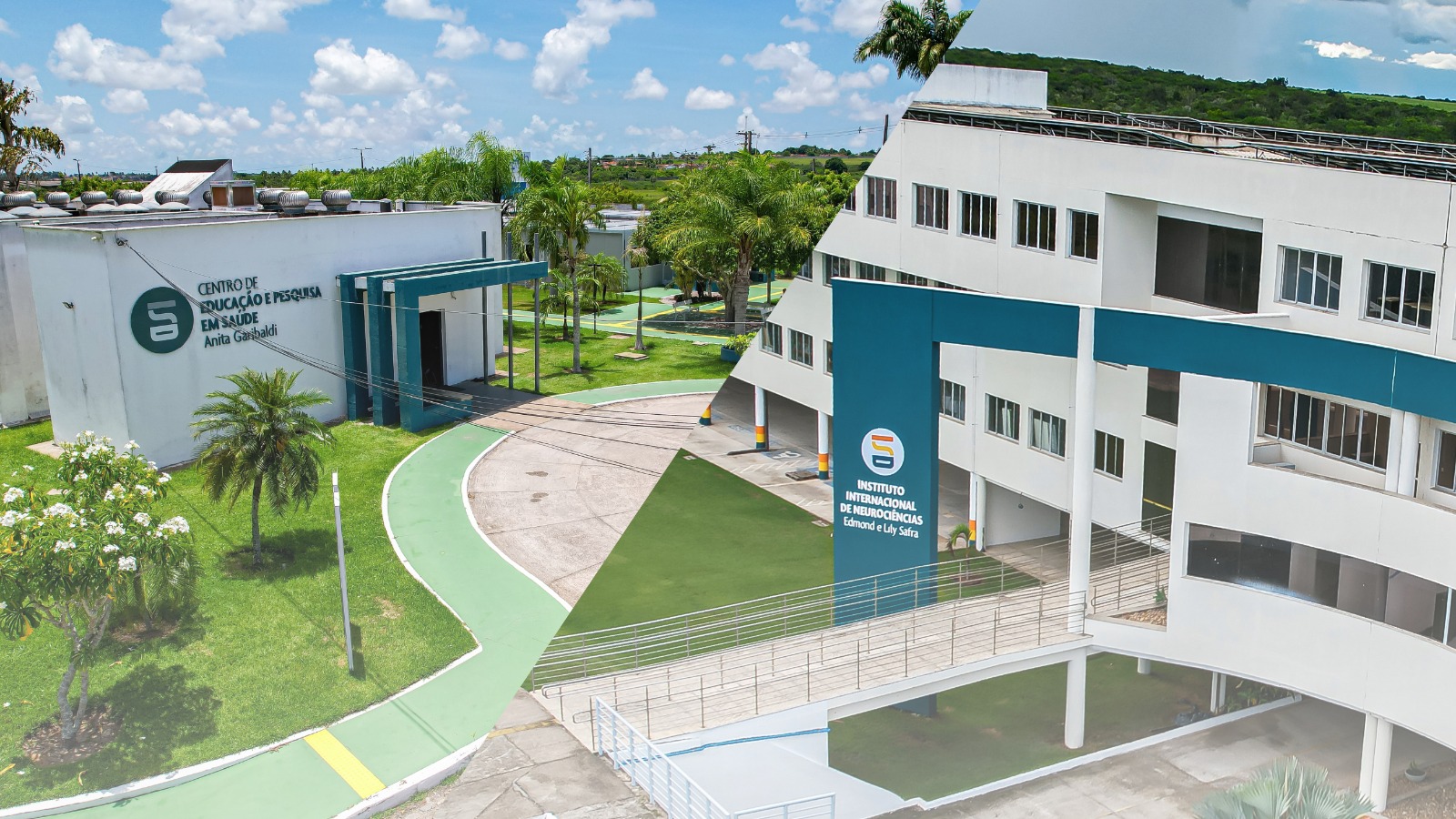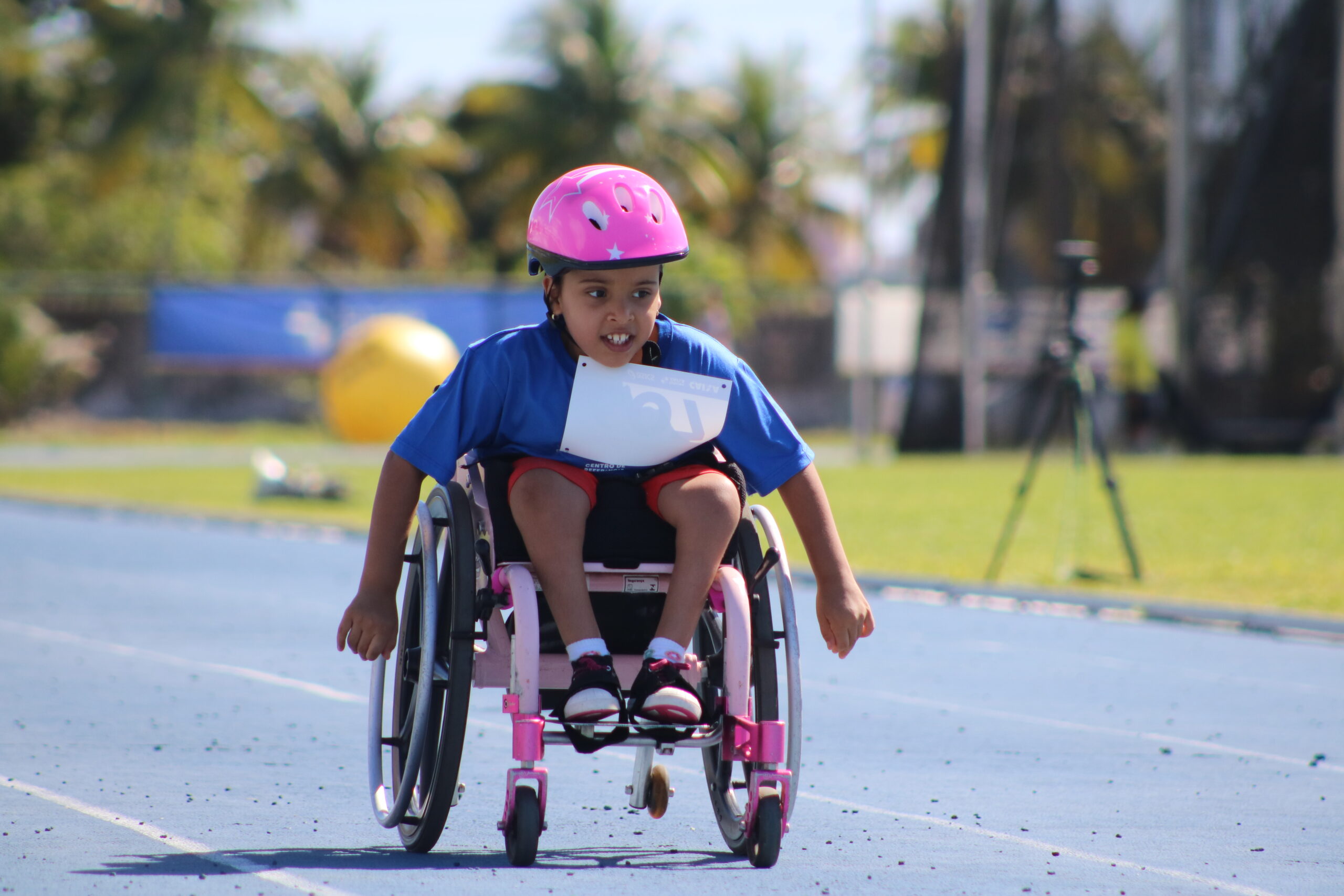


The Santos Dumont Institute has a qualified team of research and development technicians, available to assist in conducting experiments at our facilities.
In total, the institution has four research and development support technicians, who are divided into four main areas of activity: Electrophysiology and animal behavior (including neuroprosthetics); Human electrophysiology and neurorehabilitation; Neurobiology and Microscopy and Neuroengineering.
In addition to the team of research and development support technicians, ISD also has a veterinarian responsible for the vivarium and three auxiliary technicians, who work in the care and attention of animals used for teaching and research, guidance and training of researchers to carry out research. in animal models.
Meet our team of Research and Development Support Technicians:

Diego Aquino Chamber
Master in Psychobiology from the Federal University of Rio Grande do Norte (UFRN) and degree in Biological Sciences (UFRN). He has experience in the areas of aging, Parkinson's and chronobiology. He is responsible for the wet laboratory, where Nissl staining, immunohistochemistry, immunofluorescence techniques are carried out, as well as cryostat microtomy, microscopy (bright field and fluorescence) and confocal.

Alan Michel Bezerra Furtunato
Biomedical scientist with a master's and doctorate in psychobiology from the Graduate Program in Psychobiology at UFRN (2020). He conducts research on the neurophysiology of physical exercise in rodents at the Exercise Physiology Laboratory (LAFISE/UFRN) in partnership with the Computational Neurophysiology Laboratory (Brain Institute/UFRN). He is currently collaborating on research on the neurophysiology of physical exercise and sleep. He has experience in neuroengineering (construction of mobile tetrode microdrives and arrays), stereotactic neurosurgery, and histological techniques. At the ISD, he is responsible for the animal model research laboratories.

Joao Rodrigo DeOliveira
Graduated in Physiotherapy (2011-2016) from the Federal University of Rio Grande do Norte (UFRN). Master in Neuroengineering (2017-2019) from the Santos Dumont Institute (ISD). PhD in Psychobiology from UFRN (2025). Experience in neurobiology of cognition using animal models and technical support for biomedical equipment focused on human neuroscience research. At ISD, he is responsible for the human research laboratory.

Rafael Augusto de Oliveira Guedes
He holds a degree in Mechatronics Engineering from UFRN (2023) and is currently pursuing a master's degree in the Postgraduate Program in Electrical and Computer Engineering (PPgEEC/UFRN). He has experience in control and automation, as well as in the development and construction of printed circuit boards. At ISD, he heads the Neuroengineering laboratory, where 3D printing, soldering, and board machining are performed.
Meet our technical team responsible for the vivarium and surgical center:

Valéria Arboés Petronilo
Curriculum lattes
Graduated in Veterinary Medicine (2004) from the Federal Rural University of Pernambuco (UFRPE), she works as a veterinarian at ISD, where since 2006 she has been Technical Responsible for the creation and experimentation vivarium. She is coordinator of the Ethics Committee for the Use of Animals at ISD, with experience in veterinary medicine for laboratory animals, biotery; bioethics and biosafety in animal experimentation. Current, mainly, on the following topics: management, breeding, health and well-being of experimental animals, Experimental stereotaxic surgery in rodents and marmosets. In the vivarium, it plans, supervises, acts and monitors the processes and care of animal species used in research and teaching, in addition to providing basic assistance and care to animals and other responsibilities. In research, it guides and develops training for technicians and researchers regarding handling, manipulation and procedures carried out on animals.

Alexandre Magno de Freitas Dias
He completed primary education at Escola Estadual Henrique Castriciano de Sousa. He has worked as a Vivarium Assistant at the Santos Dumont Institute since 2009. He has experience in handling laboratory animals, with a focus on marmosets. At the vivarium, he is responsible for the management, checking and care of the animals in the marmoset vivarium, including reproduction, from pairing to weaning. Assists researchers in handling and checking animals; maintains the cleanliness and organization of the environment, prepares and makes food available to the animals.

Sergio Caciano de Oliveira Neto
Graduated in Geography from Vale do Acaraú State University (2011). He has worked as a Vivarium Assistant at the Santos Dumont Institute since 2010. He has experience in handling laboratory animals (rats, mice and marmosets). In the rodent vivarium, is responsible for checking and caring for the animals in the experimental vivarium; assists researchers in handling and monitoring animals; maintains the cleanliness and organization of the environment; performs stock control; guarantees the exchange of cages and the availability of food for the animals.
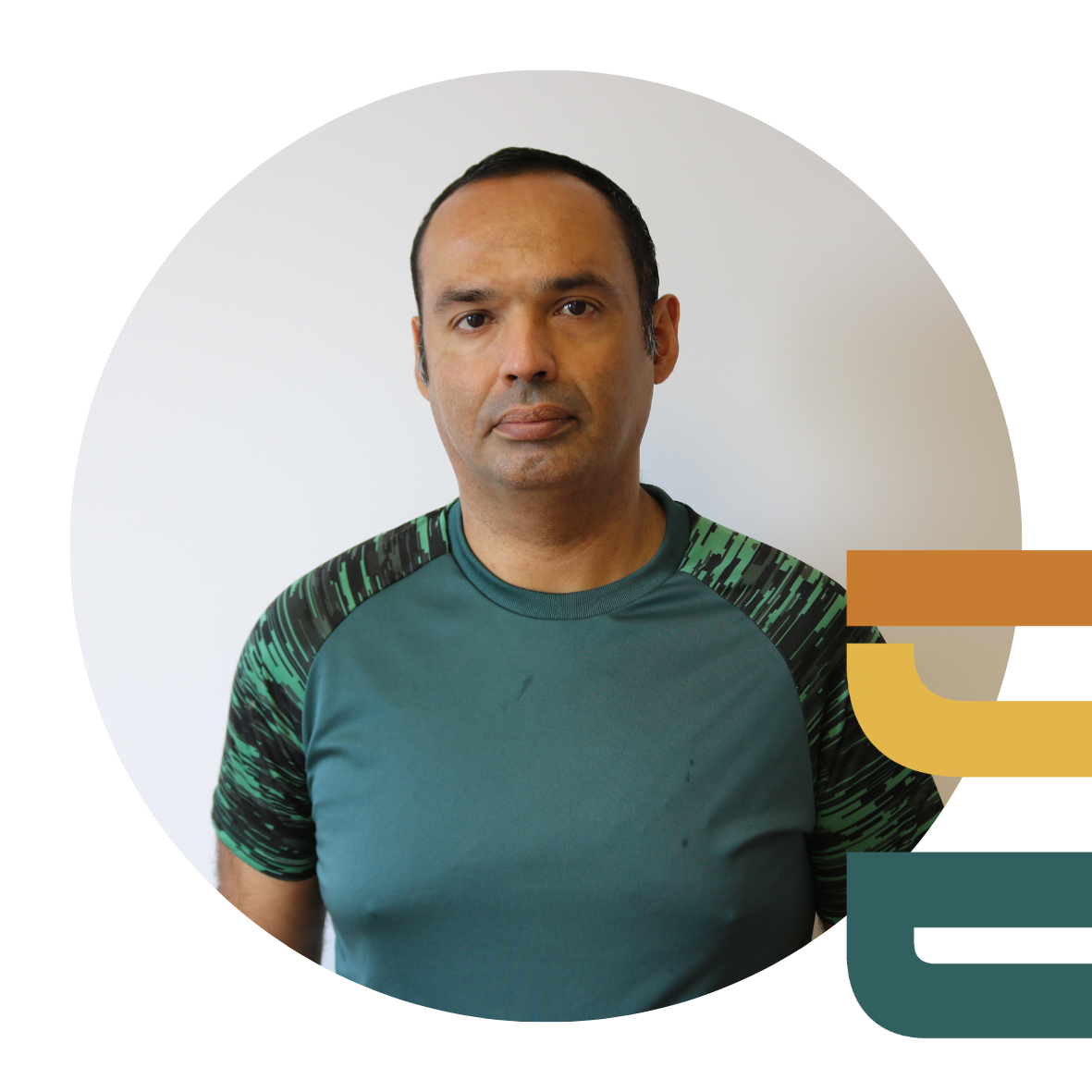
Sidney Pereira da Cruz
He completed high school at Escola Estadual Mario Franciscon (2001). He has worked as a Vivarium Assistant at the Santos Dumont Institute since 2010. In the rodent vivarium, he is responsible for checking and caring for the animals, including reproduction, from pairing to weaning; assists researchers in handling and monitoring animals; handles and checks animals; maintains the cleanliness and organization of the environment; performs stock control; guarantees the exchange of cages and the availability of food for the animals.