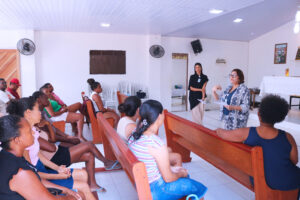


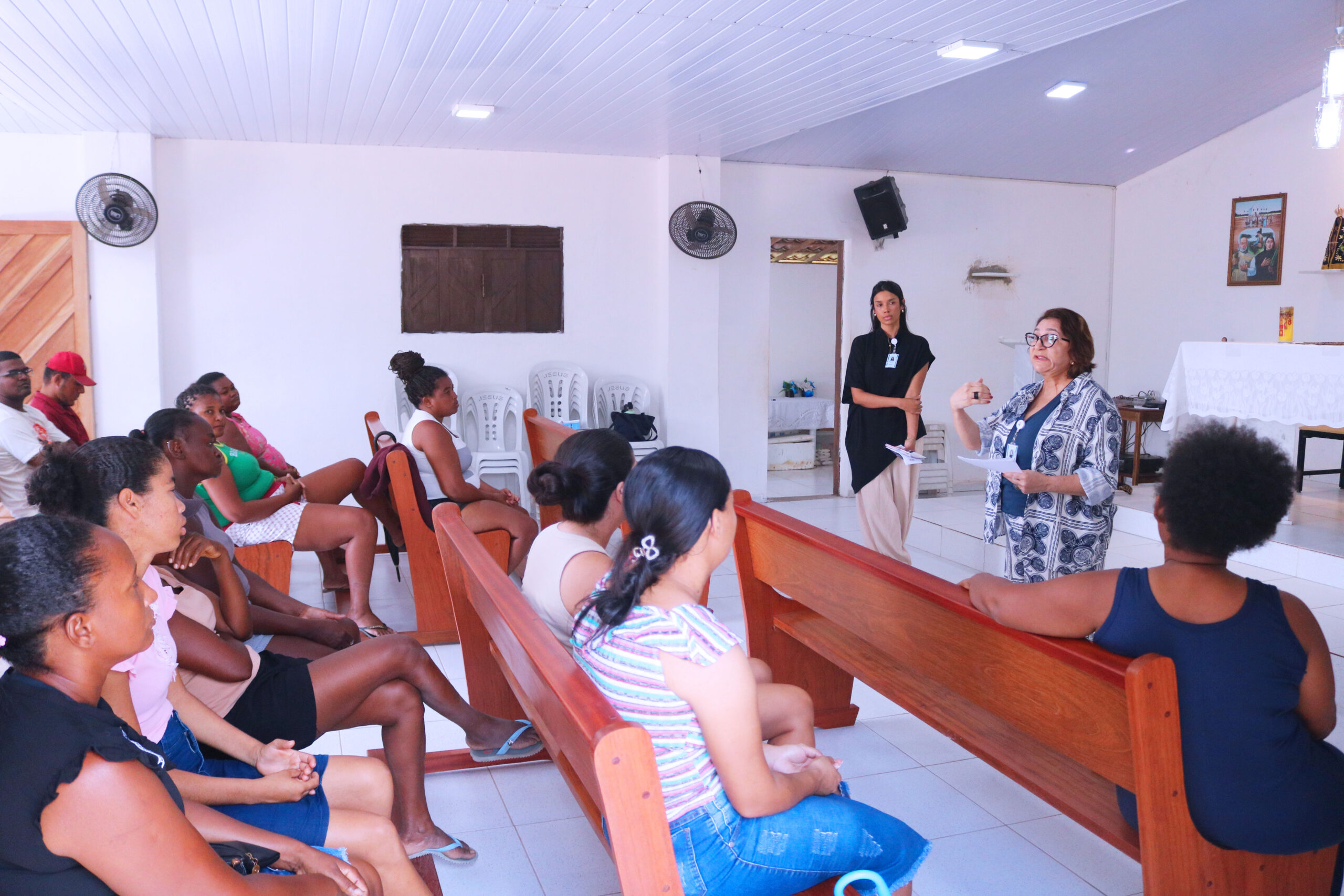
Raising awareness of the most common symptoms of visual diseases and hearing loss was the aim of a conversation circle promoted by the Santos Dumont Institute (ISD) in the Quilombola Community of Capoeiras, in the rural area of Macaíba, this Thursday (8). The meeting took place at the Chapel of Our Lady of Aparecida and was attended by residents and representatives of the community.
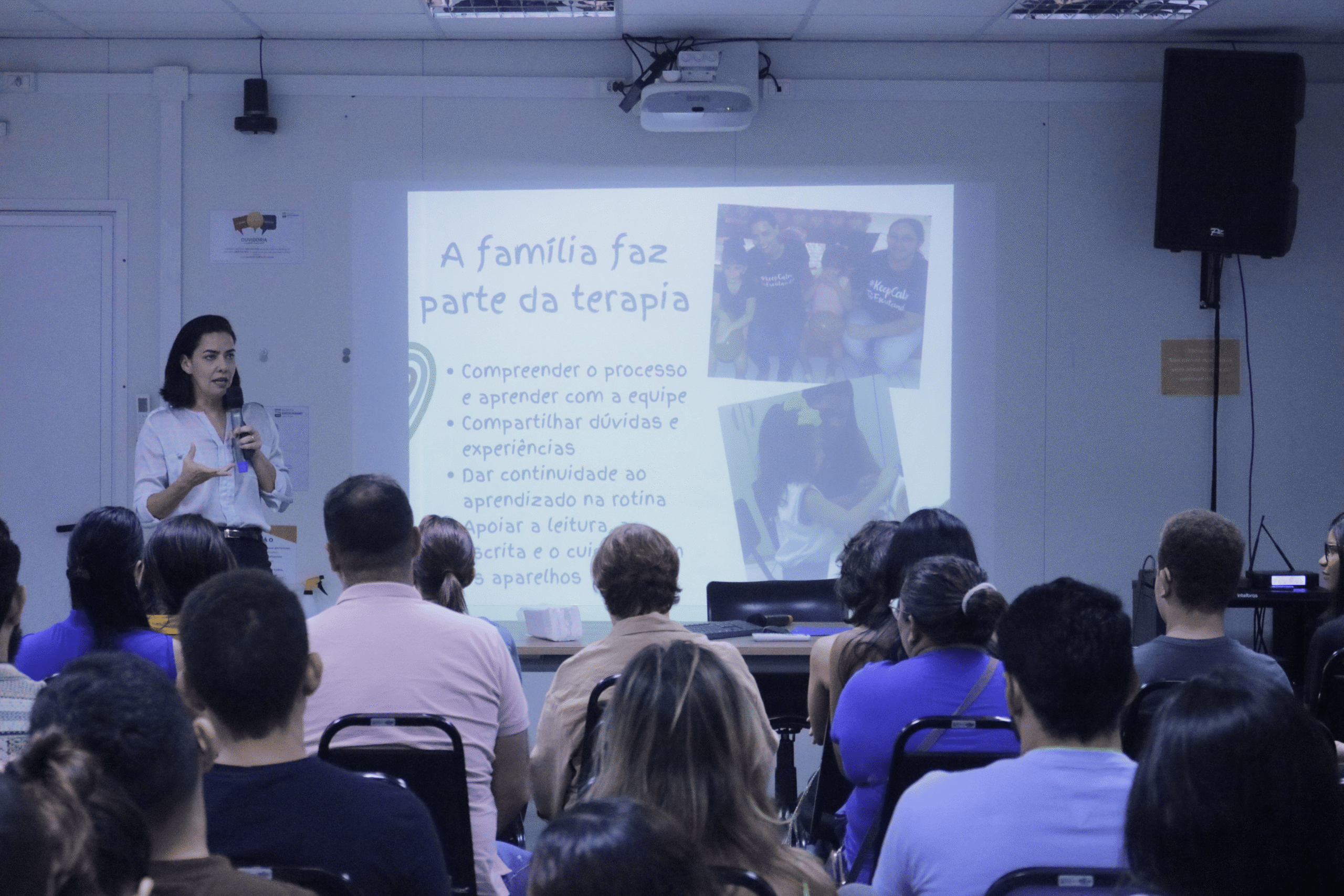
The activity, led by pedagogical preceptor Luzia Guacira and speech therapist preceptor Gizele Nascimento, is part of the project "Prevention of eye diseases in students of Basic Education in Macaíba," developed by the Attention and Care Line in Rehabilitation of People with Visual Impairment of the ISD. On the occasion, the main causes of visual and auditory diseases in children and adults were presented, and the possibilities of rehabilitation for these conditions were discussed, which can cause impairment in different aspects of daily life, from learning to the autonomy of people.
During the meeting, participants were able to ask questions about warning signs that require multidisciplinary evaluation, daily eye and ear health care, and learn about the services offered by the Institute focused on rehabilitation and specialized care.
Educator Luzia Guacira drew attention to how vision problems directly interfere with children's learning, highlighting that parents, guardians, and teachers should be attentive to identify early signs of vision difficulties. Among the main factors that cause harm to children's eye health, the educator pointed to excessive screen time, genetic factors, and the lack of use of prescription glasses when necessary.
“Often, children don't complain about not being able to see, but they show a drop in school performance or inattention. Therefore, families and the school community should be attentive to the signs and seek professional guidance whenever necessary,” the educator indicated.
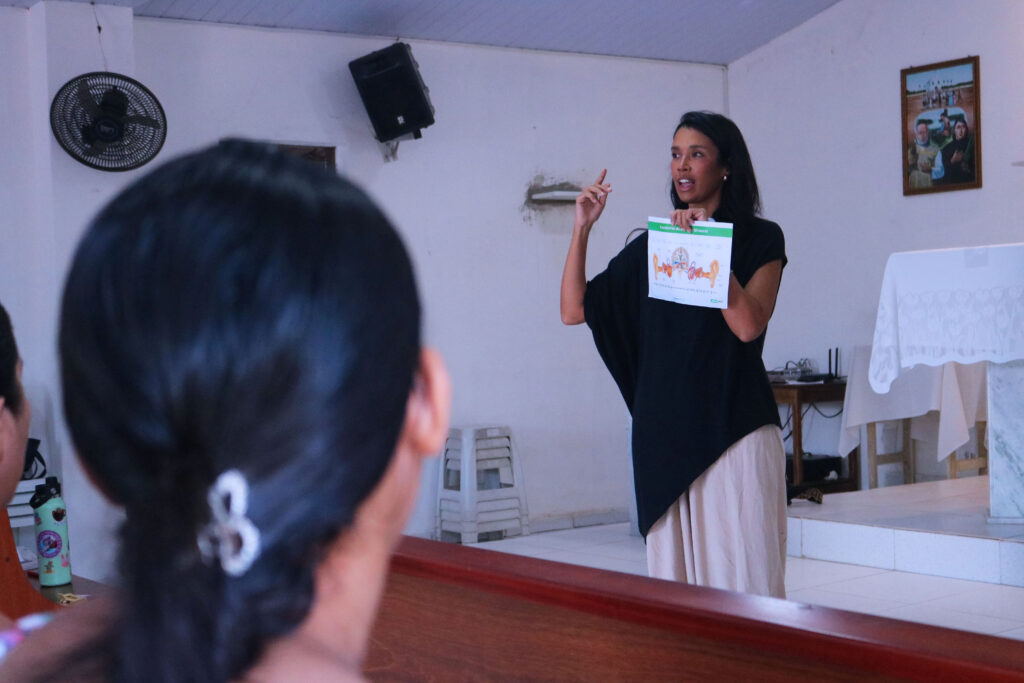
Next, speech therapist Gizele Nascimento explained, in a simplified way, how the hearing process occurs in the brain and detailed the implications of hearing problems, emphasizing that they can have serious impacts on both children's learning and the socialization and quality of life of adults.
"Hearing well is fundamental for language development and social integration. When we identify a hearing impairment early, we can pave the way for rehabilitation and inclusion," said Gizele.
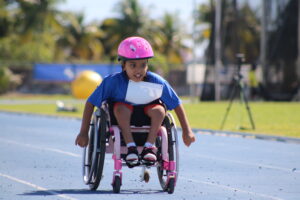
Through the Specialized Rehabilitation Center (CER ISD), the Santos Dumont Institute offers assistance to blind, visually impaired, hearing-impaired, and deaf individuals. In addition, it conducts community awareness activities on eye and hearing health, focusing on prevention and early identification of diseases.
Roundtable discussion captures parents' attention.
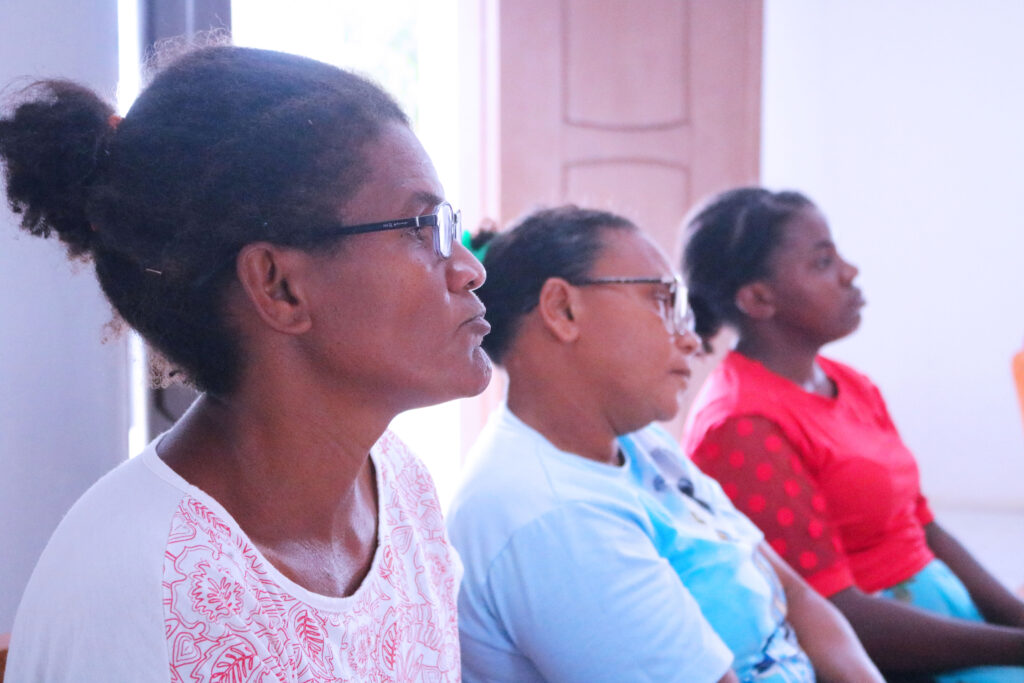
Housewife Marilene Santos took advantage of the discussion to share a personal experience. She has noticed that her 6-year-old daughter has difficulty hearing and tends to speak louder, signs that suggest a possible hearing problem. "I notice that she often shouts to speak at home, even when I'm nearby," she said.
To identify any hearing loss, Marilene's daughter will undergo an audiometry exam at CER ISD, which measures the decrease in the ability to perceive sounds. If the procedure reveals any hearing problems, the use of a hearing aid may be recommended, provided by the Institute itself through the SUS (Brazilian Public Health System).
Socorro Barboza also found guidance in the initiative. She learned about the discussion group through the school and decided to participate because her son, diagnosed with myopia, ended up breaking his glasses and needs a new medical evaluation. Recognizing the fundamental role of vision correction, Socorro expressed concern about a possible delay in her son's learning due to the lack of the accessory. "I want to seek specialized help at ISD to ensure that my son can stay in school without learning delays," she explained.
At the end of the discussion, the ISD team reinforced the institution's commitment to community outreach and to guaranteeing the right to health for the population of Macaíba, strengthening ties with the residents of Capoeiras.
About ISD
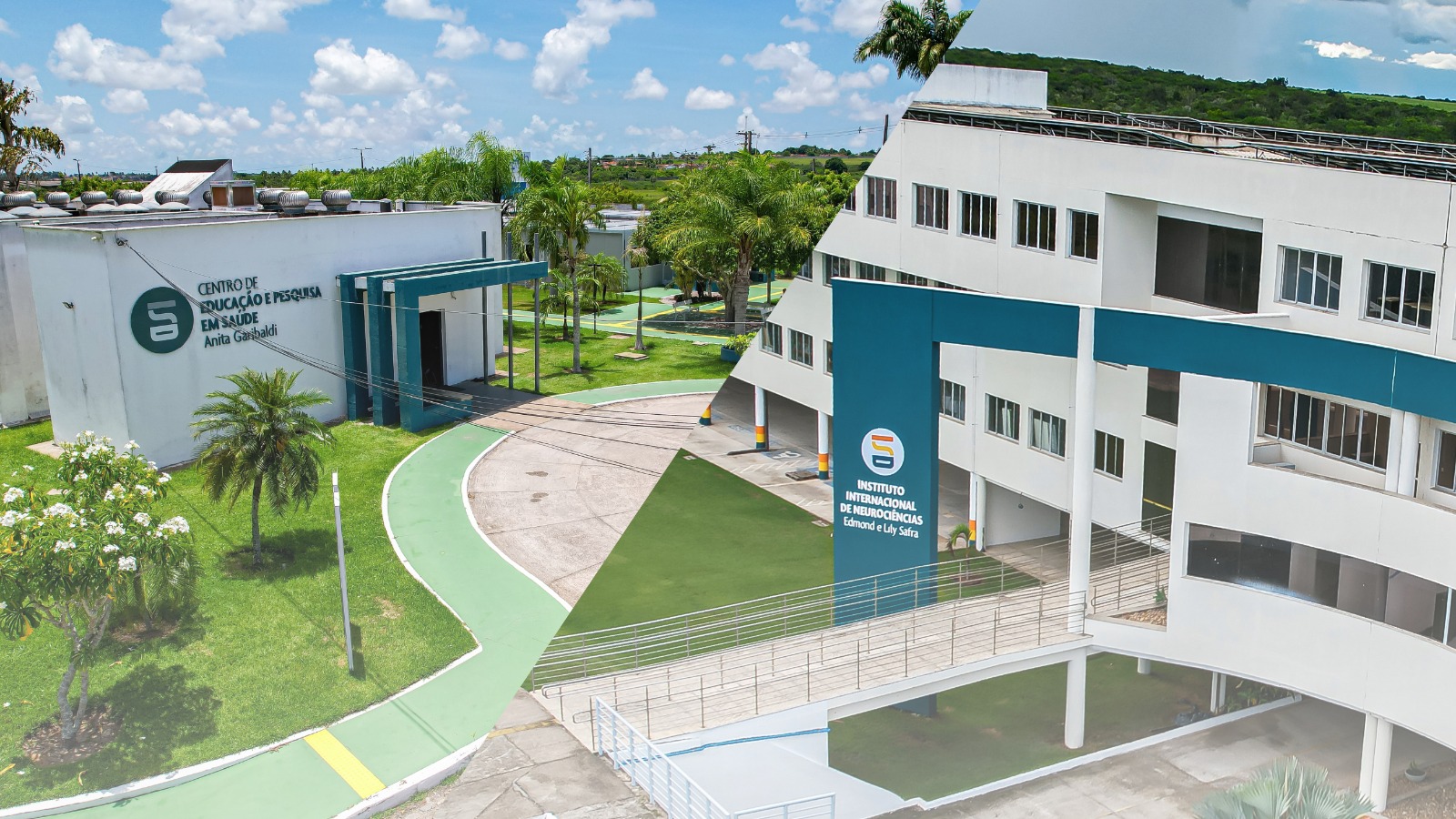
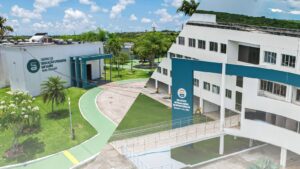
The Santos Dumont Institute (ISD) is a Social Organization of the Federal Executive Branch, supervised by the Ministry of Education, with the intervention of the Ministries of Sport and Health. It encompasses the Edmond and Lily Safra International Institute of Neuroscience and the Anita Garibaldi Center for Education and Research in Health, both located in Macaíba. The ISD's mission is to promote education for life, forming citizens through integrated teaching, research, and outreach activities, as well as contributing to a more just and humane transformation of Brazilian social reality.