

Using technology to improve speech-language pathology and dysphagia diagnosis: this was the main objective of a study developed by scientists from the Santos Dumont Institute (ISD), whose results were recently published in the international journal Scientific Reports, from the Nature group.
Dysphagia is the difficulty in swallowing food and liquids, common in elderly people and those with neurological diseases. Diagnosis of the condition is made through video endoscopy of swallowing, an examination that, for its best results, depends on factors such as the clinical context and image quality.
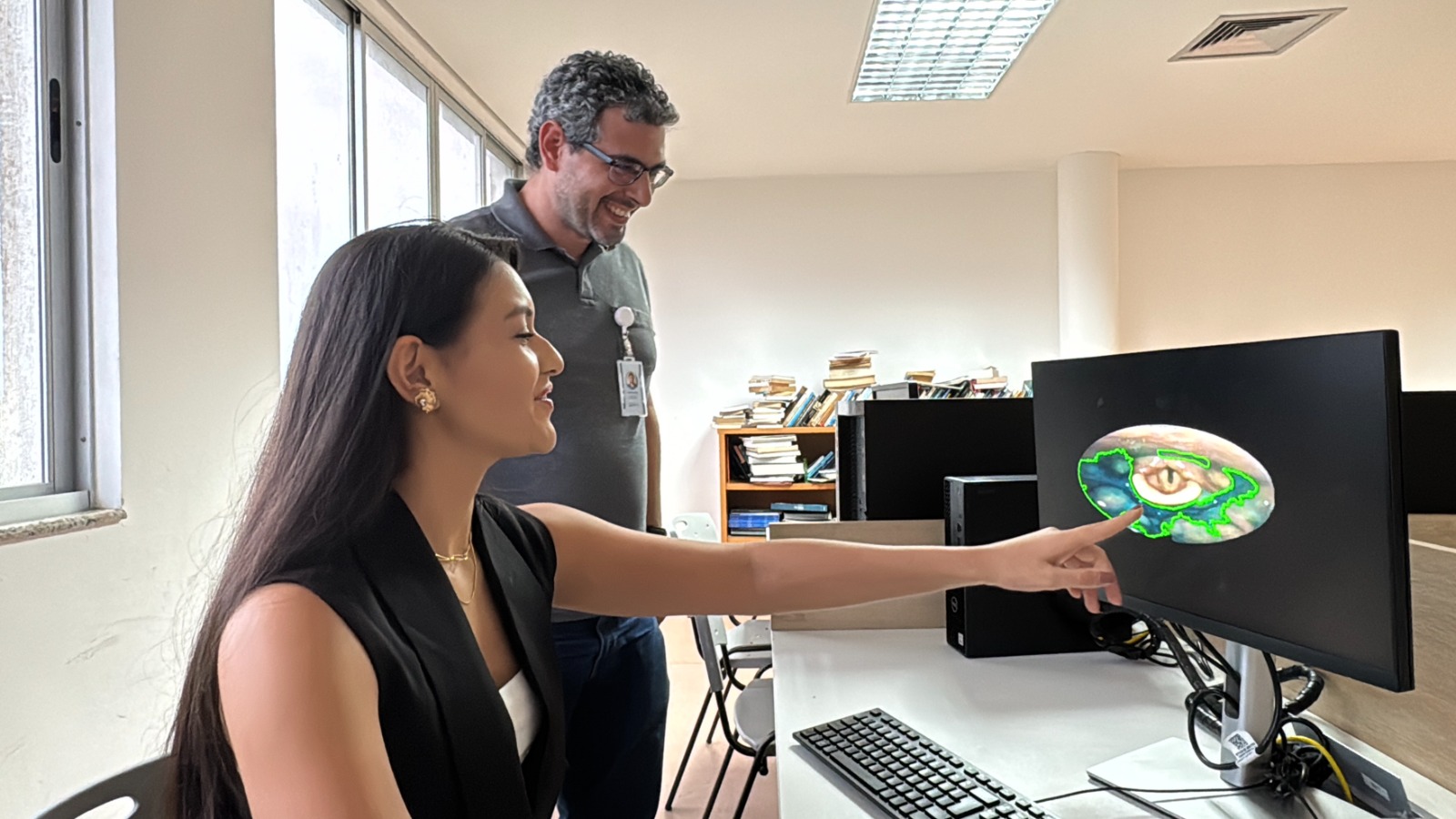
Therefore, the ISD research team developed an artificial intelligence-based system capable of improving examination images, tracking the structures involved in swallowing, and identifying penetration and aspiration events – the term given to swallowing failures where food or saliva enters the respiratory tract instead of going to the esophagus.
Furthermore, the developed system enhances the literature in the field, allowing, in an innovative way, the classification of the severity of food residue remaining after swallowing. Thus, the professional can identify the percentage of light, moderate, and severe residue in specific areas of the mouth, pharynx, and esophagus.
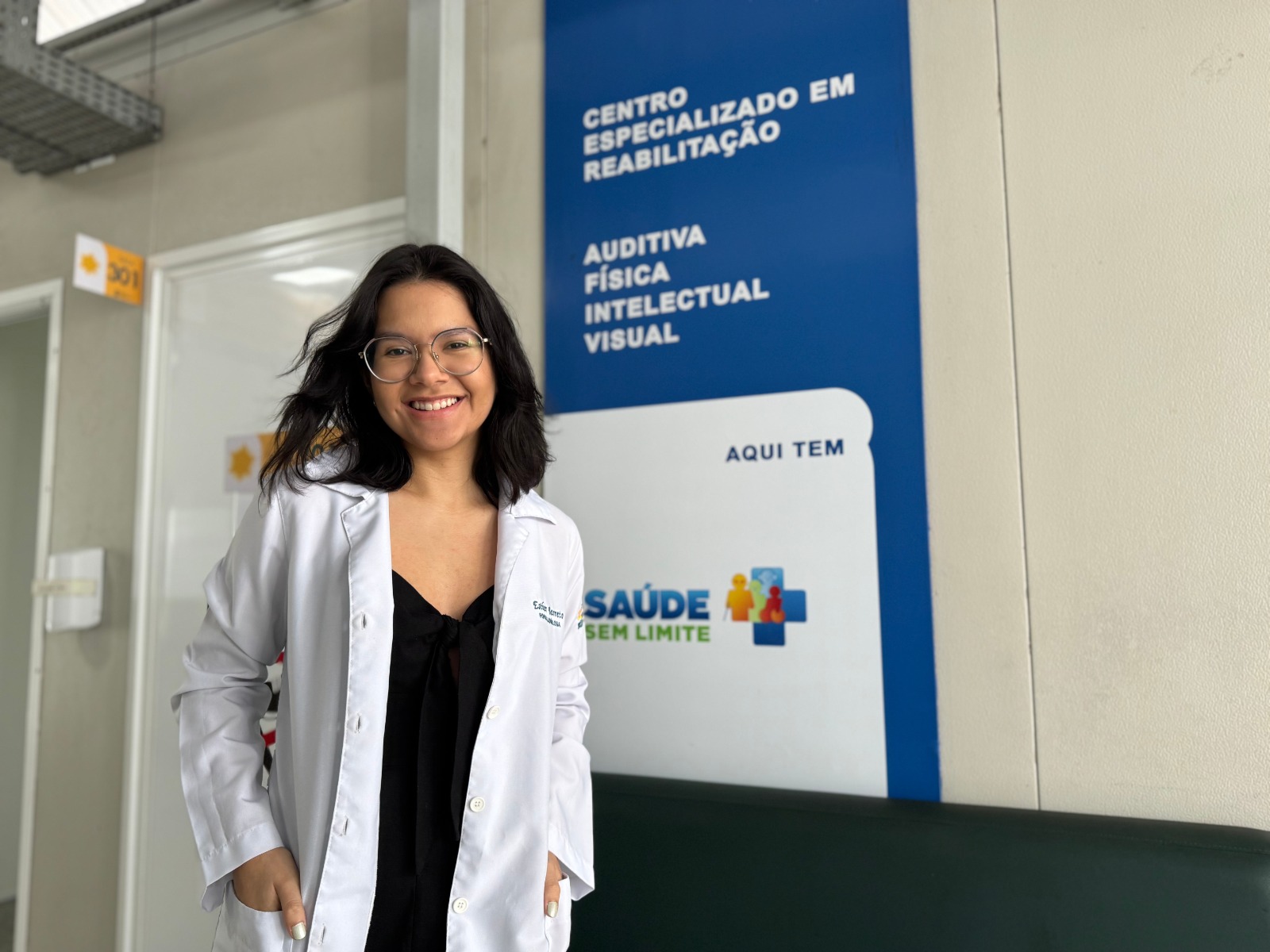
Authored by speech therapist and graduate of the ISD Postgraduate Program (PPGN), Luiza Araújo, who developed the device as part of her master's thesis, the work is supervised by ISD research professor Caroline Cunha do Espírito Santo.
“This study impacts not only the professional conducting the examination, but also the patient receiving the results, who gains access to a more accurate diagnosis, and thus, more personalized speech therapy care and, consequently, a better quality of life,” says Luiza.
As part of the system validation, scientists analyzed databases and reports related to video endoscopy of swallowing, comparing the results of the developed technology with the results of specialists. The research observes that the system presents performance compatible with the results of professionals, indicating its potential for use in the clinical setting.
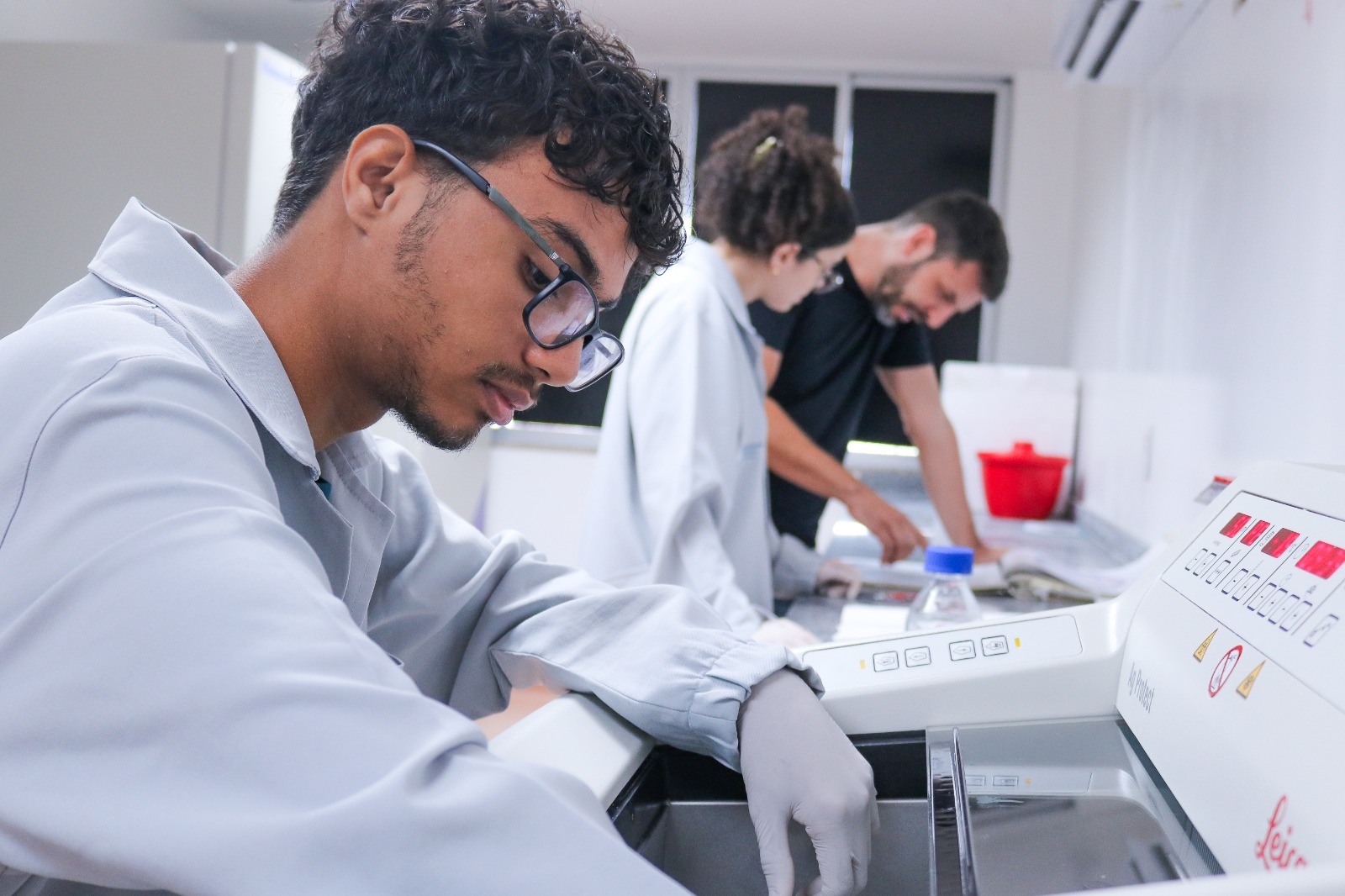
The study, developed by a multidisciplinary team, reinforces the importance of collaboration between multiple areas of knowledge to solve global challenges related to health, rehabilitation, and quality of life. Professor and researcher Caroline Cunha, who leads the project, highlights the use of artificial intelligence (AI) to identify swallowing disorders as an important complementary advancement in the diagnosis of dysphagia.
“AI is not meant to replace healthcare professionals, but to act as a support tool, contributing to greater agility in the analysis of VED exams, continuous monitoring of swallowing changes, and early detection of clinical changes, favoring the optimization of the rehabilitation process for people with dysphagia, such as individuals with Parkinson's disease, stroke, and amyotrophic lateral sclerosis,” says Caroline.
The article “Artificial intelligence and image processing framework for automated airway invasion detection and residue classification from swallowing endoscopy” was published in Scientific Reports and can be accessed at: https://doi.org/10.1038/s41598-026-44495-4.
In addition to Luiza Araújo and Caroline Cunha, The researchers who participated in the article were Enzo Rangel, Anibal Cotrina-Atencio (Federal University of Espírito Santo), Vitória Gomes dos Santos, Ana Maria da Costa dos Santos Reis (also a speech therapy preceptor at ISD), Hipólito Magalhães and Lidiane Ferreira (Federal University of Rio Grande do Norte) and the ISD research professor André Felipe Oliveira de Azevedo Dantas.
About ISD
The Santos Dumont Institute (ISD) is a Social Organization of the Federal Executive Branch, supervised by the Ministry of Education, with the intervention of the Ministry of Sport. It encompasses the Edmond and Lily Safra International Institute of Neuroscience and the Anita Garibaldi Center for Education and Research in Health, both located in Macaíba. The ISD's mission is to promote education for life, forming citizens through integrated teaching, research, and outreach activities, as well as contributing to a more just and humane transformation of Brazilian social reality.