

The Santos Dumont Institute (ISD) launched, this Thursday (8), a selection process to fill two vacancies for the position of Research Professor in the health area. The notice is available at ISD website, under the "Opportunities" > "Careers" tab..
For both positions, hiring follows the CLT (Brazilian labor law) regime, with an initial probationary period of ninety days. The expected workload is 40 hours per week in person, with a gross salary of R$14,566.53. In addition to salary, ISD offers benefits such as health and dental insurance, meal vouchers and food vouchers, group life insurance, and free transportation between Natal and Macaíba.
The positions are intended for professionals with a degree in one of the following fields: Physical Education, Physiotherapy, Speech Therapy, Psychology, or Occupational Therapy. In addition, the opportunities require postgraduate and doctoral degrees related to the health of people with disabilities.
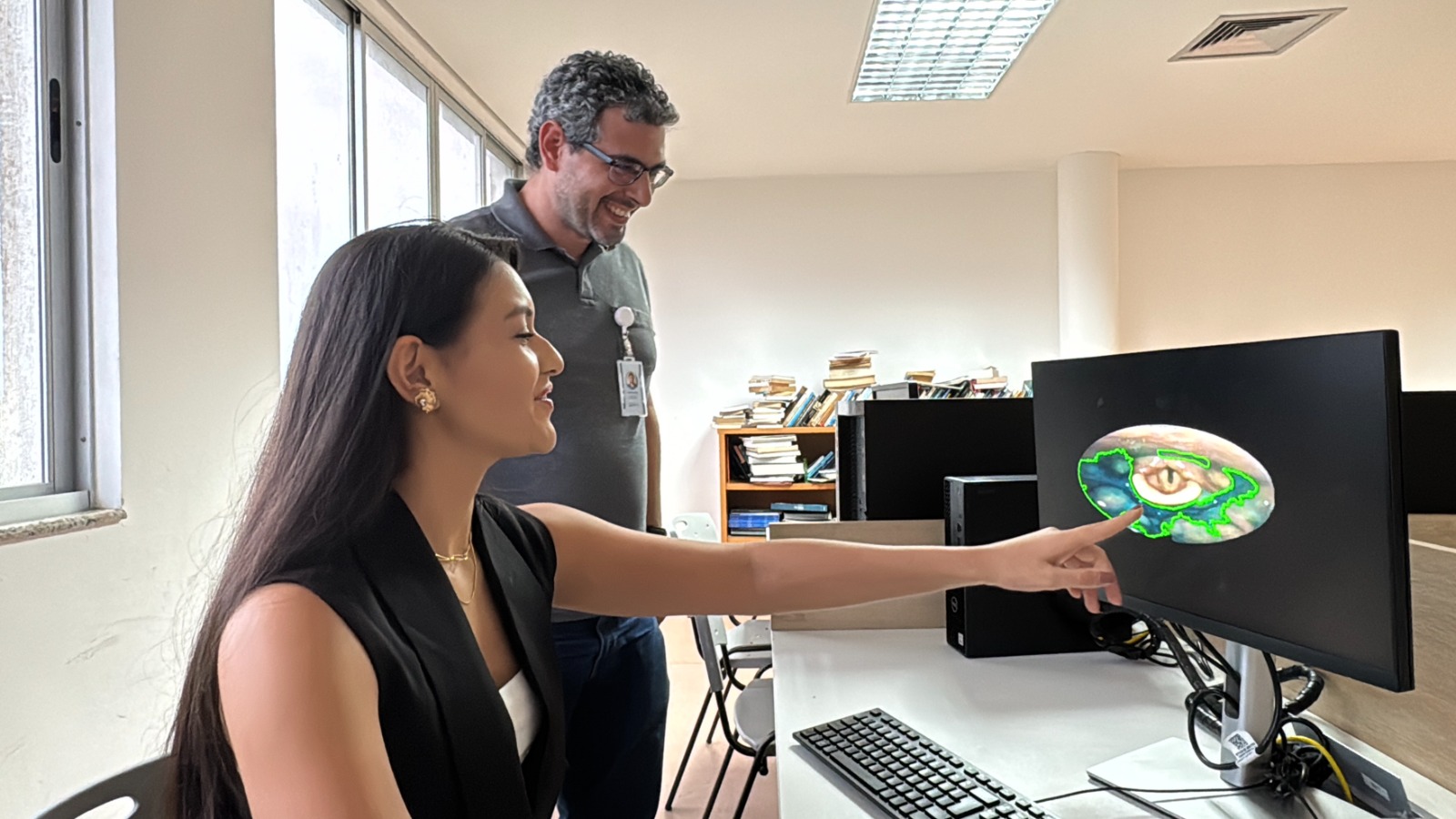
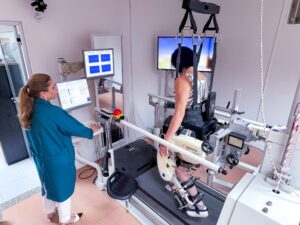
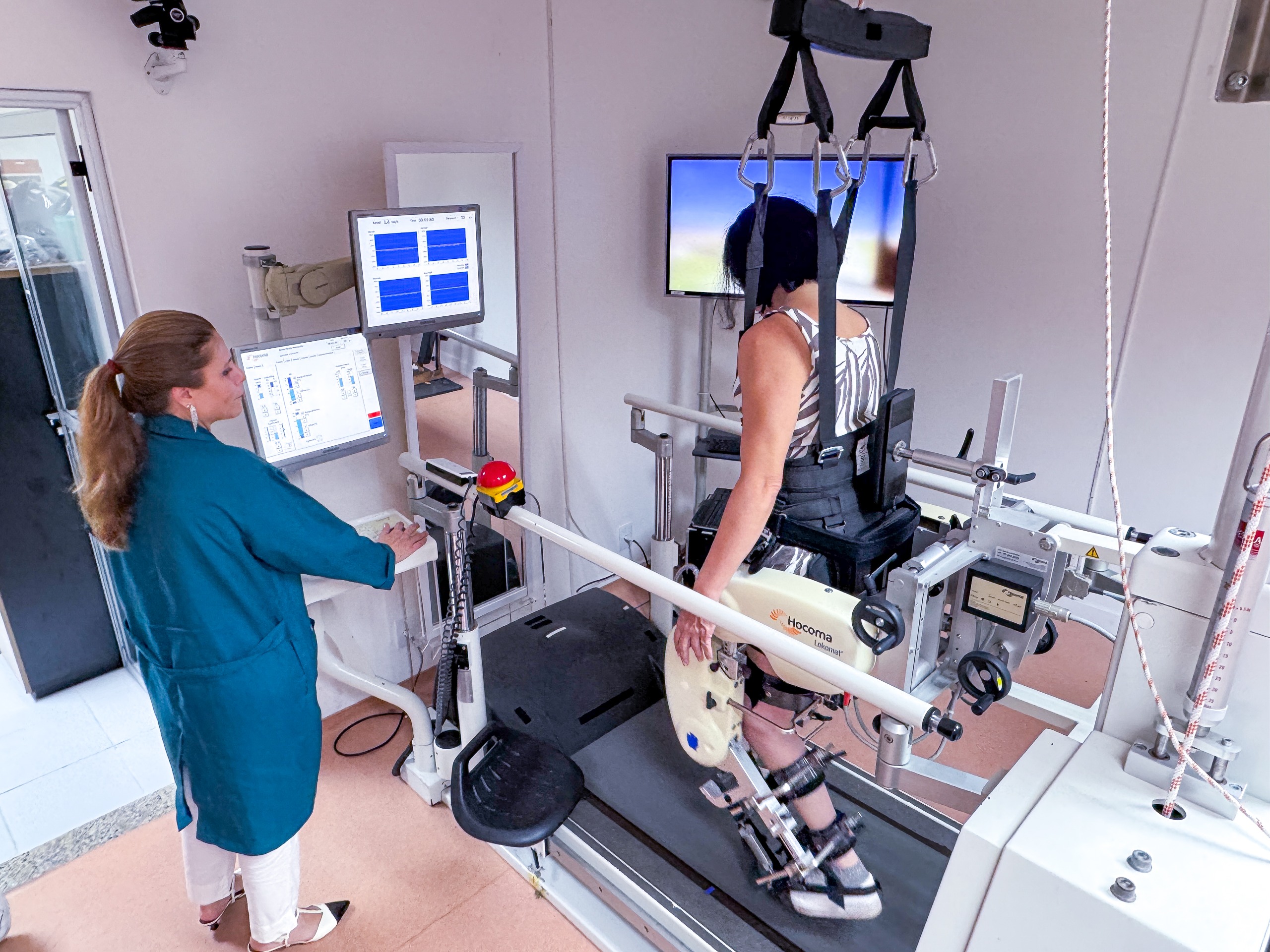
The selected individuals will participate in the ISD's Multiprofessional Residency Program in Healthcare for People with Disabilities (RESPCD) and Postgraduate Program in Neuroengineering (PPGN), in an interdisciplinary and interprofessional manner, developing academic actions and activities in teaching and scientific research.
Applications must be submitted exclusively through the electronic forms available in the selection process notice, observing the deadlines and mandatory requirements stipulated in the document.
About ISD
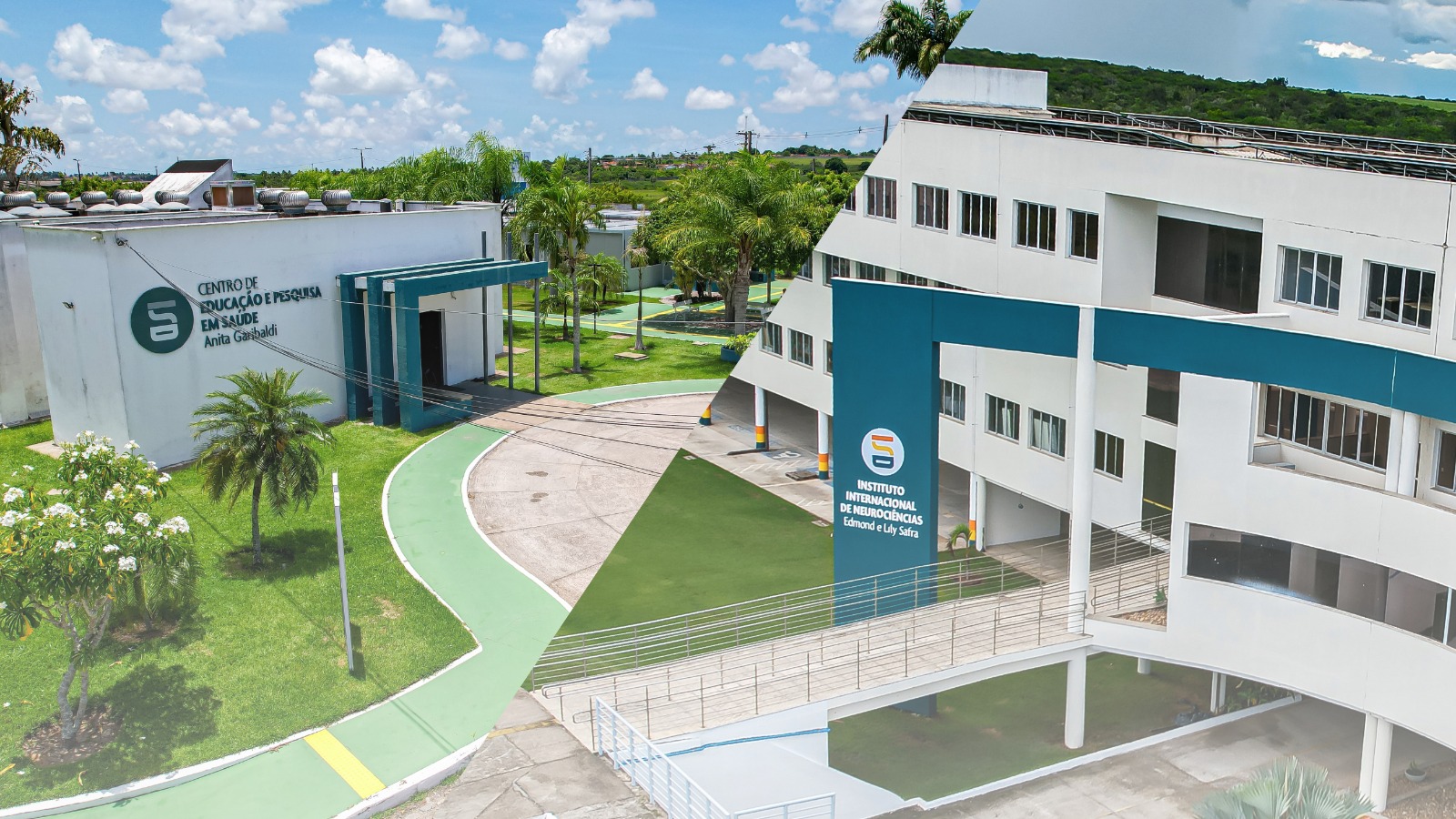
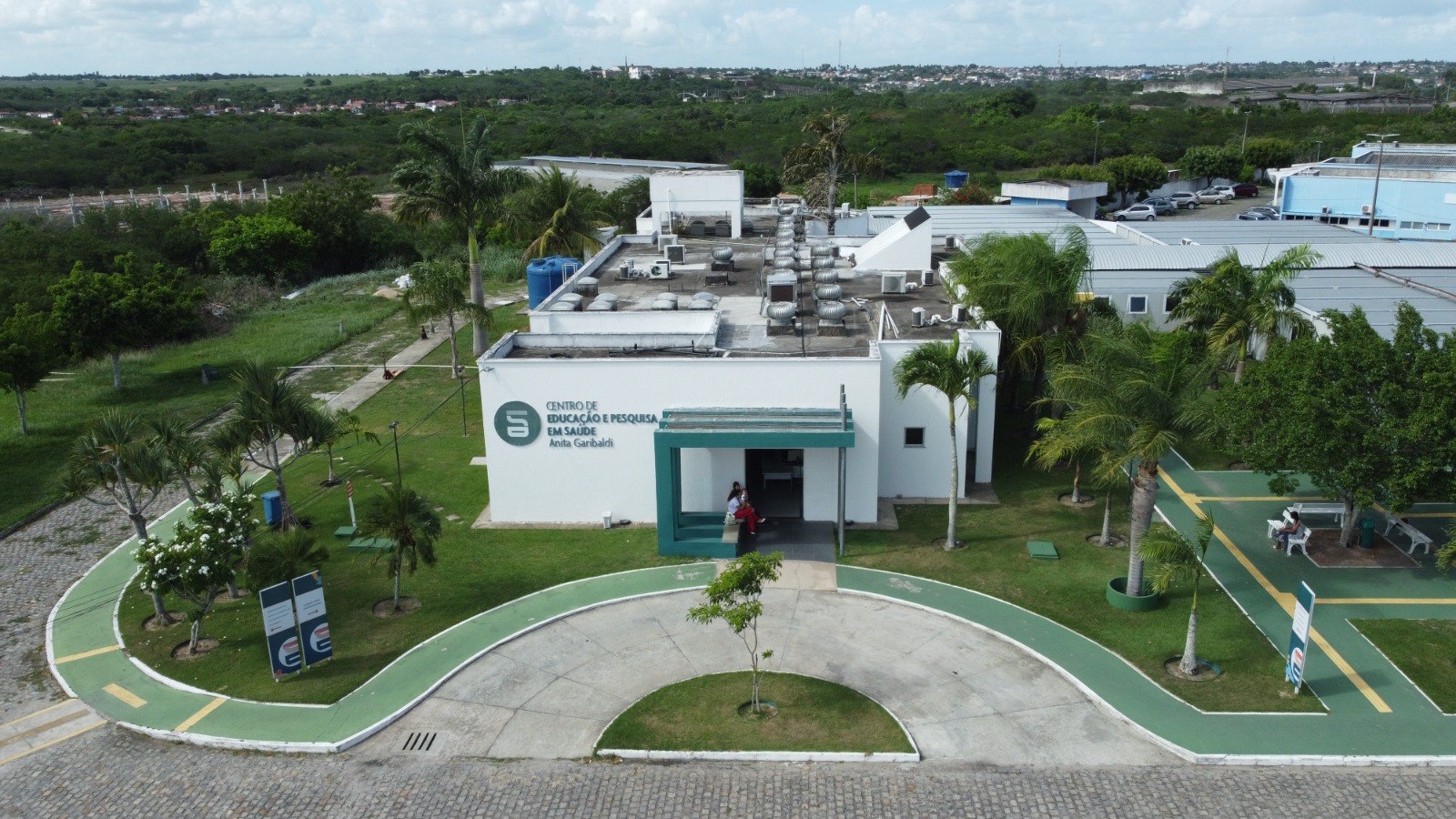
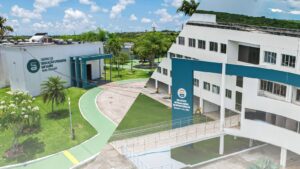
The Santos Dumont Institute (ISD) is a Social Organization of the Federal Executive Branch, supervised by the Ministry of Education, with the intervention of the Ministries of Sport and Health. It encompasses the Edmond and Lily Safra International Institute of Neuroscience and the Anita Garibaldi Center for Education and Research in Health, both located in Macaíba. The ISD's mission is to promote education for life, forming citizens through integrated teaching, research, and outreach activities, as well as contributing to a more just and humane transformation of Brazilian social reality.