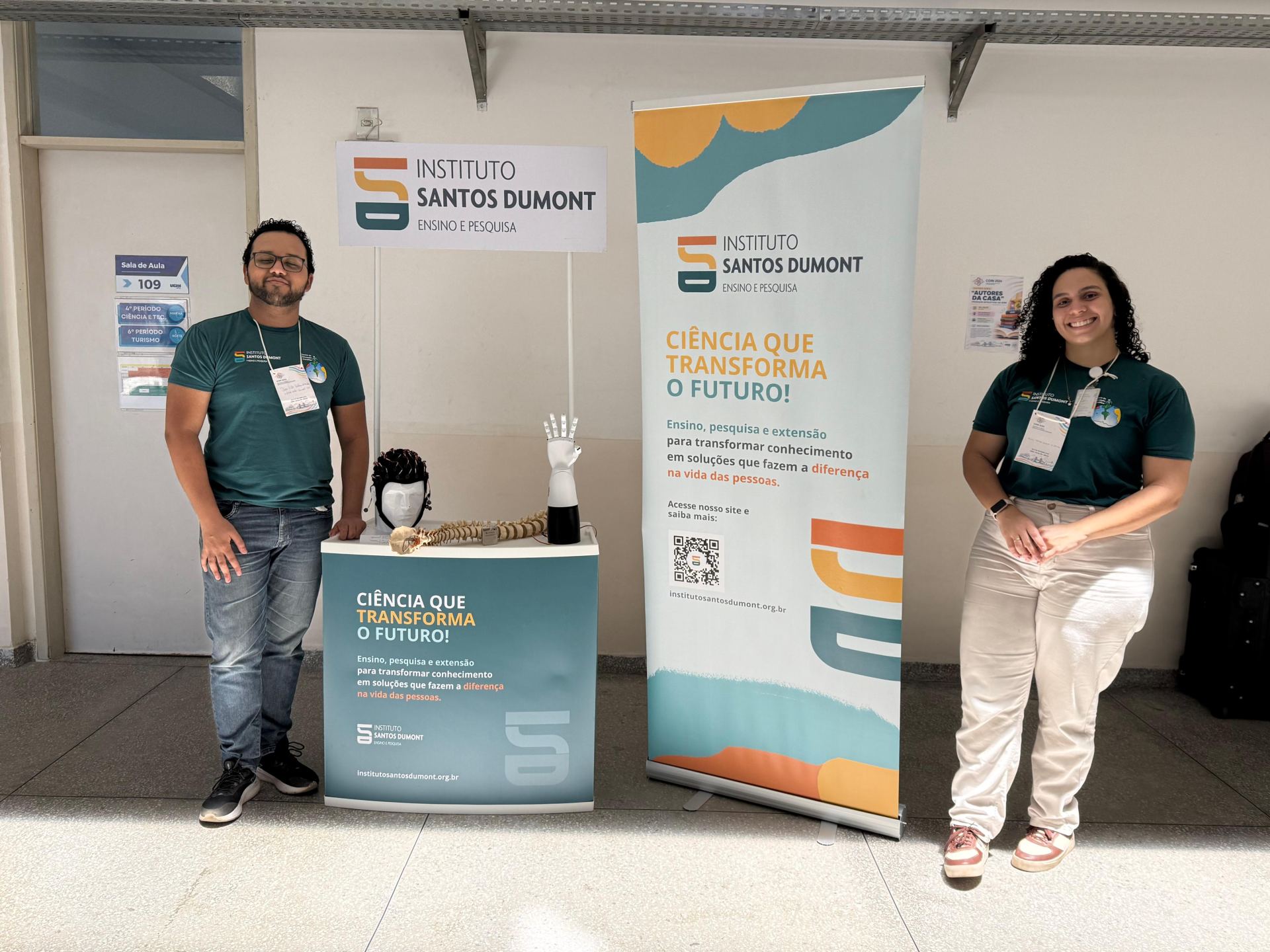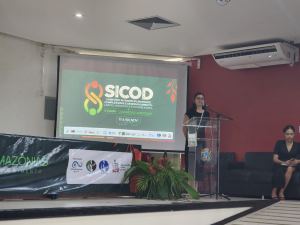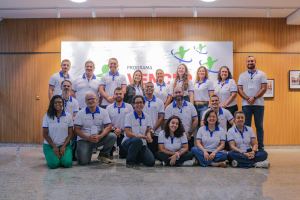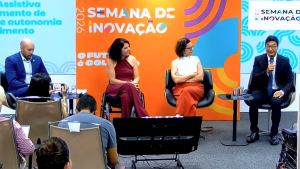


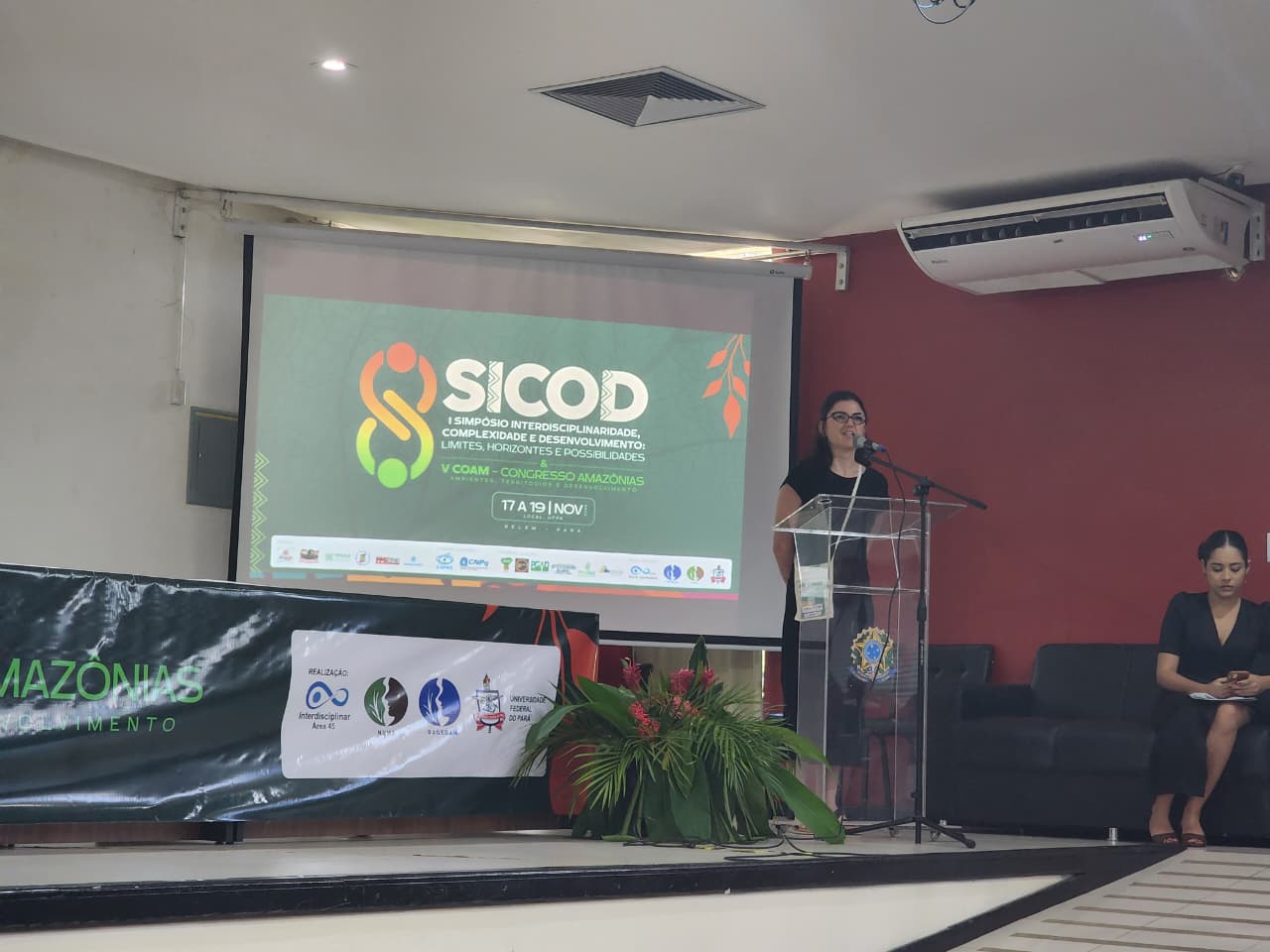
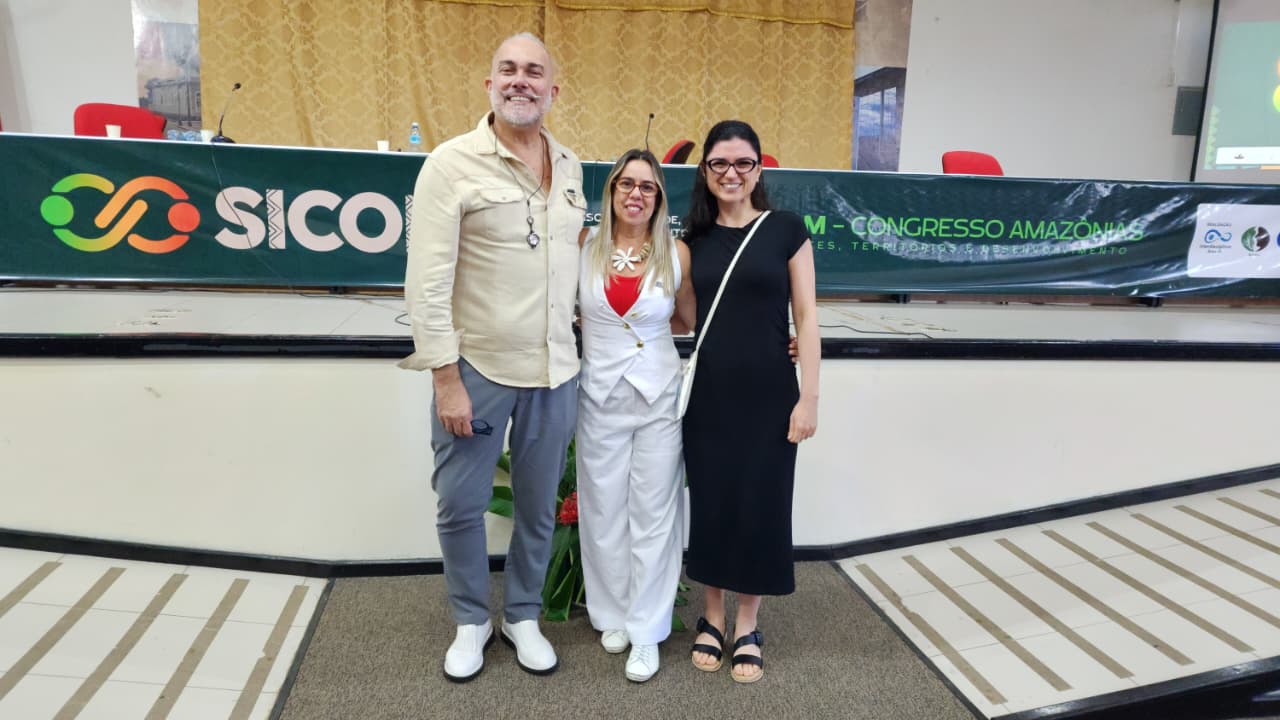
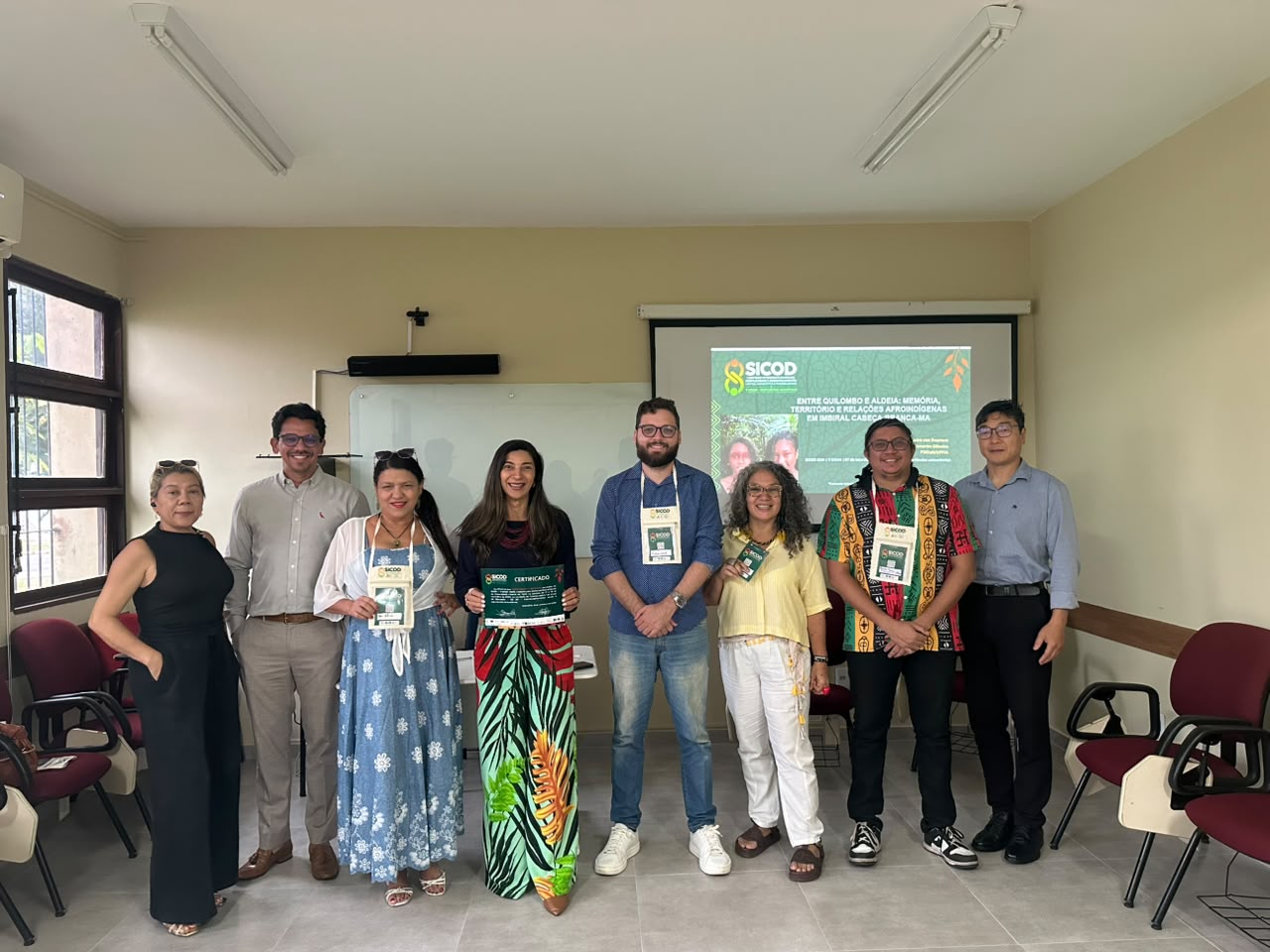
The Santos Dumont Institute (ISD) is participating from November 17th to 19th in the 1st Interdisciplinary Symposium on Complexity and Development: Limits, Horizons and Possibilities (SICOD 2026), held at the Federal University of Pará (UFPA) in Belém/PA. The event brings together researchers, students, professionals, community representatives, public institutions and social organizations to promote debates and reflections on the contemporary challenges of development, sustainability, innovation and the relationships between society and nature.
With a proposal for dialogue between different areas of knowledge, the symposium addresses themes such as climate change, socio-environmental justice, human rights, technologies, health, public policies, diversity, territorial management, cultures and sustainable development, encouraging the collective construction of knowledge and interdisciplinary perspectives.
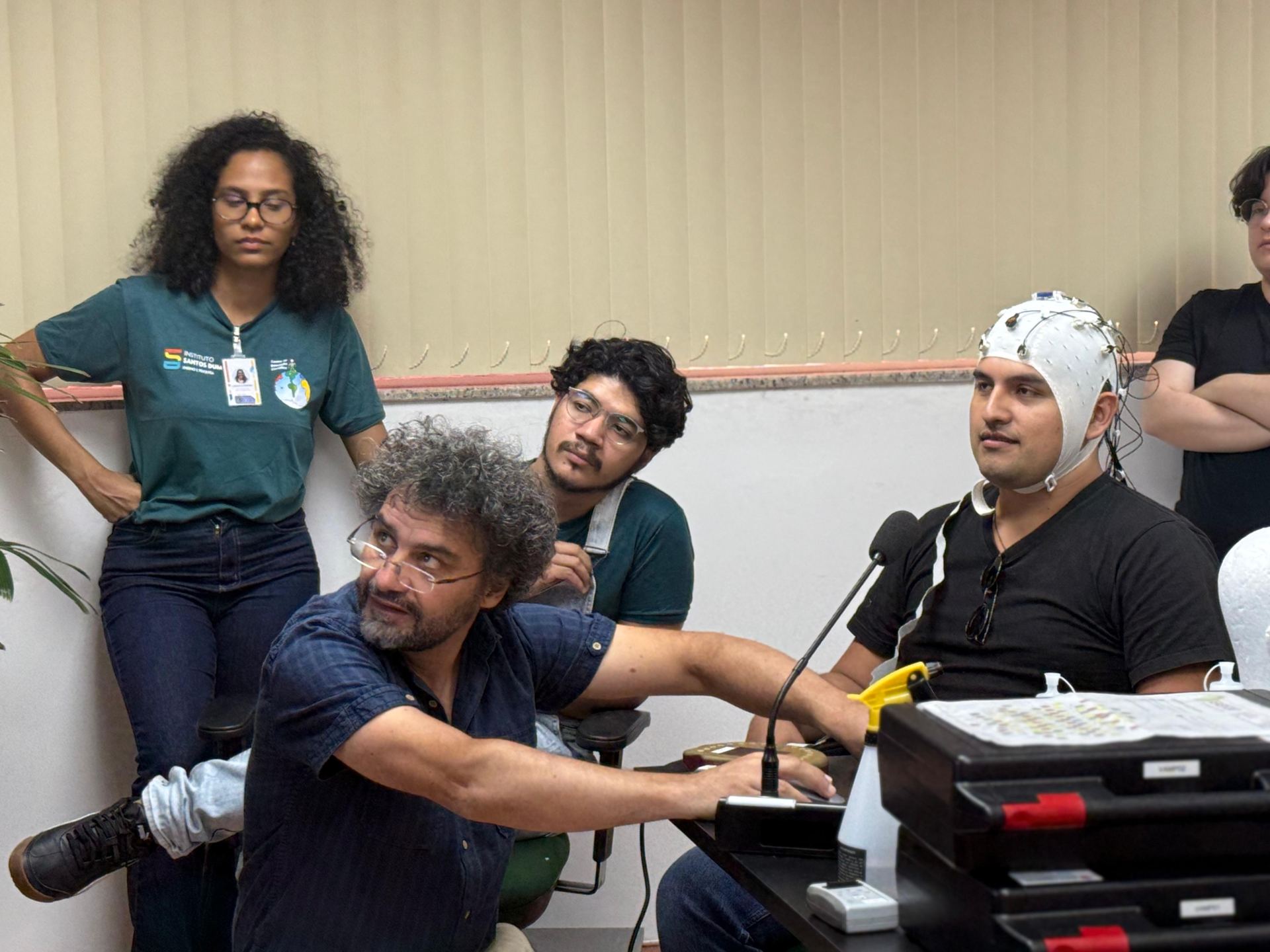
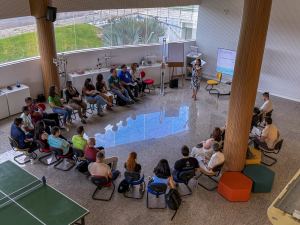
Representing the ISD, Professor Carolina Gonzalez, researcher and coordinator of the Postgraduate Program in Neuroengineering (PPGN), participated in the round table “Complexity and Interdisciplinarity,” which discussed the integration of different areas of knowledge in scientific research and academic training. During the debate, Carolina also shared PPGN's experiences in popularizing and disseminating science, developed throughout the year, highlighting initiatives that bring scientific production closer to society and broaden access to knowledge. The round table brought together representatives from CAPES, researchers, and postgraduate students, promoting reflections on the challenges and possibilities of interdisciplinarity in the scientific and educational context.
Professor Edgard Morya, researcher and manager of the Edmond and Lily Safra International Institute of Neuroscience (IIN-ELS), participated in the discussion group on the theme "Interdisciplinarity, health and community experiences," contributing to the dialogue on the connections between science, health and practices developed with communities.
ISD's participation in SICOD 2026 reinforces the institution's commitment to collaborative scientific production, the exchange of experiences, and the promotion of interdisciplinary approaches in the training of researchers and the development of solutions to social, scientific, and health challenges.
About ISD
The Santos Dumont Institute (ISD) is a Social Organization of the Federal Executive Branch, supervised by the Ministry of Education, with the intervention of the Ministry of Sport. It encompasses the Edmond and Lily Safra International Institute of Neuroscience and the Anita Garibaldi Center for Education and Research in Health, both located in Macaíba. The ISD's mission is to promote education for life, forming citizens through integrated teaching, research, and outreach activities, as well as contributing to a more just and humane transformation of Brazilian social reality.