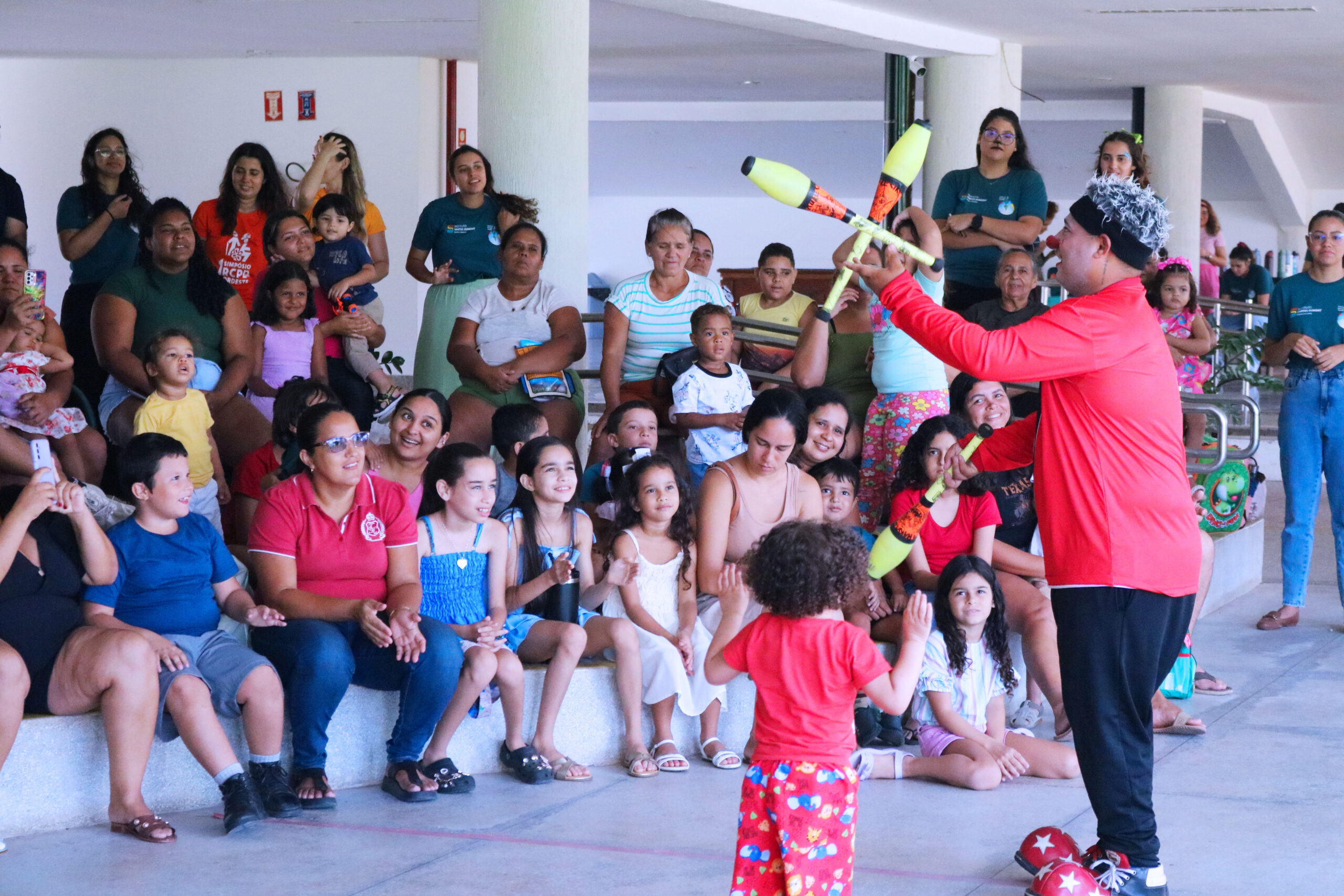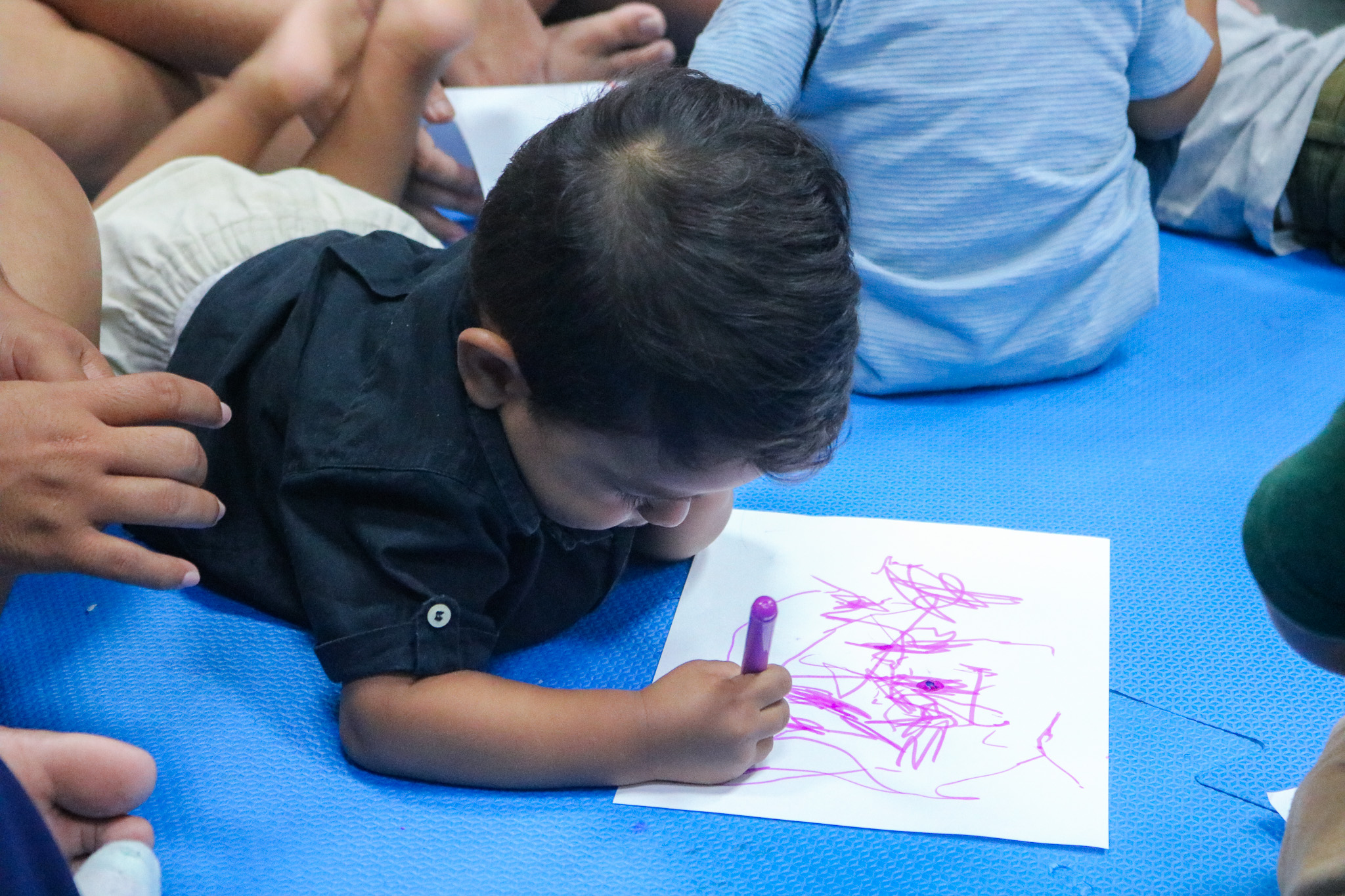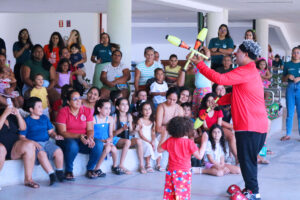


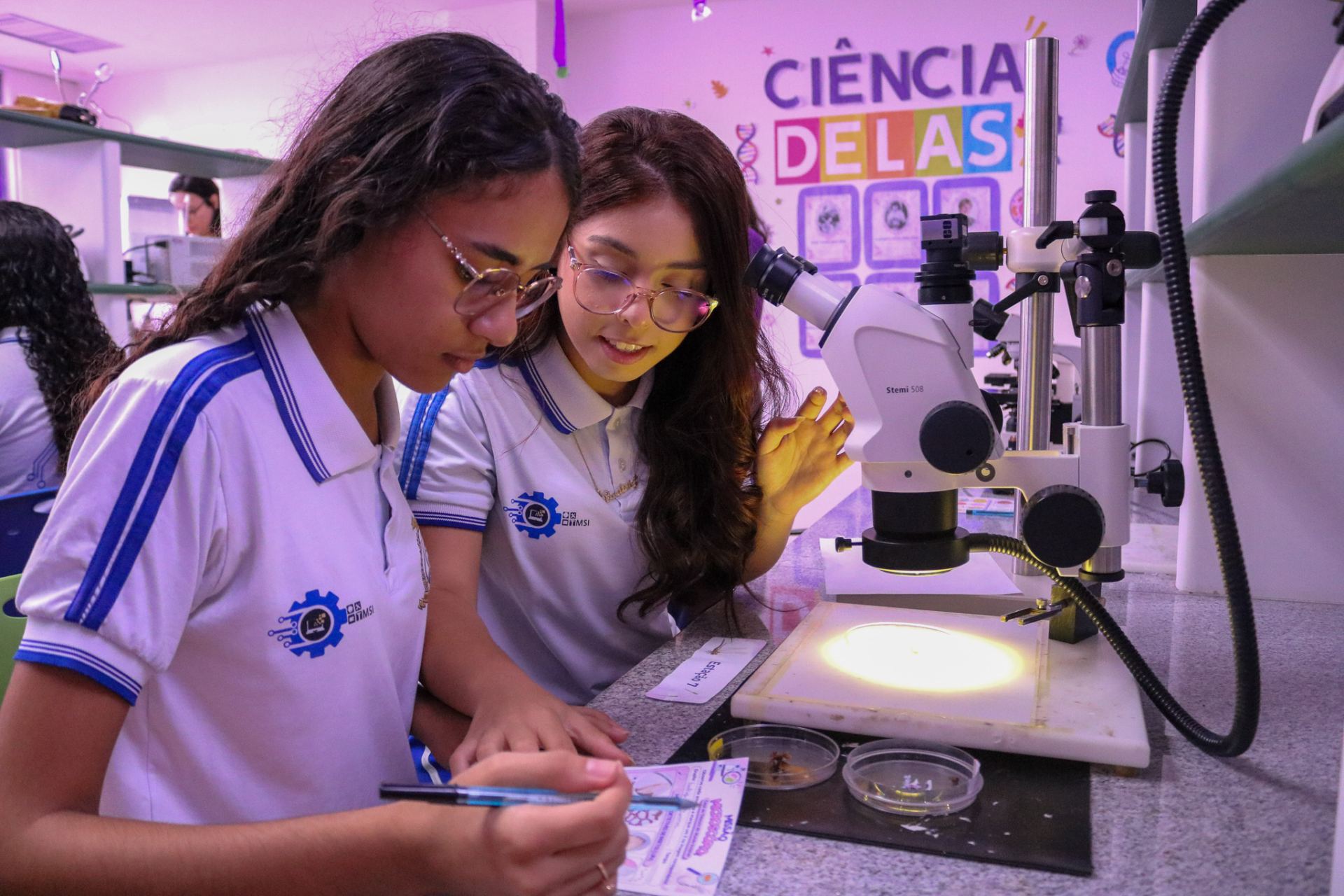
Curious glances, interactive experiments and anti-ableist workshops marked the first day of the Science Fair and Scientific Exhibitions at the Santos Dumont Institute (ISD). The opening of the event, which is part of the 23rd National Science and Technology Week (SNCT), took place this Monday (26), at the Edmond and Lily Safra International Institute of Neuroscience (IIN-ELS), and brought together around 150 students from public schools.
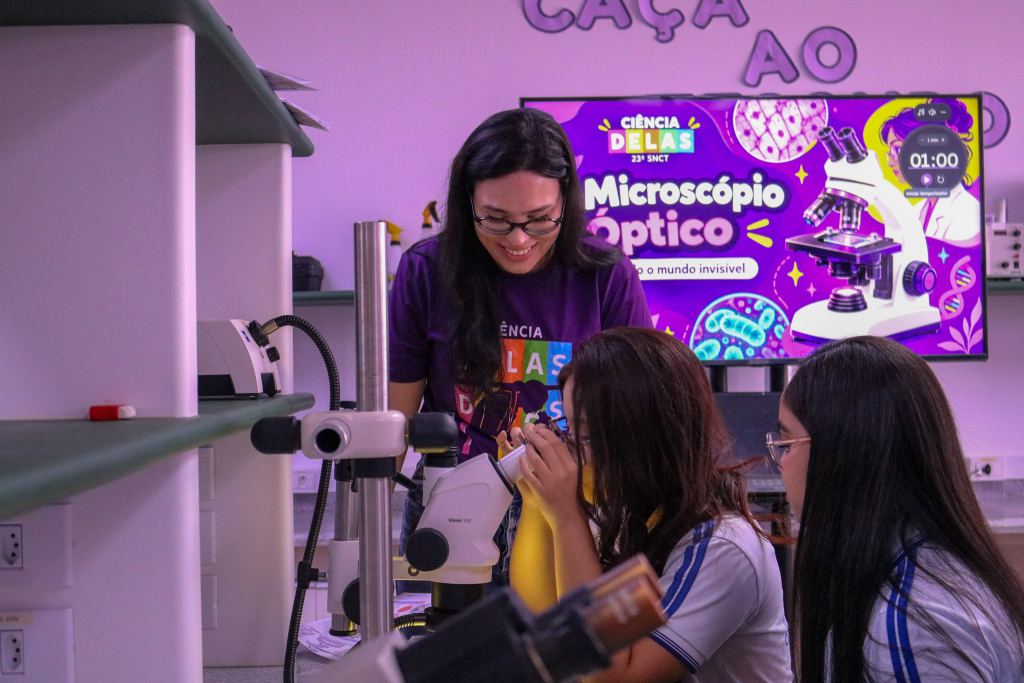
In this edition, the Fair seeks to highlight the role of women in scientific research, with the theme "Women's Science". To this end, female participation in activities and workshops was encouraged. The initiative's central mission is to plant the seed of scientific investigation early on, showing that science is not distant, but part of everyday life and within everyone's reach.
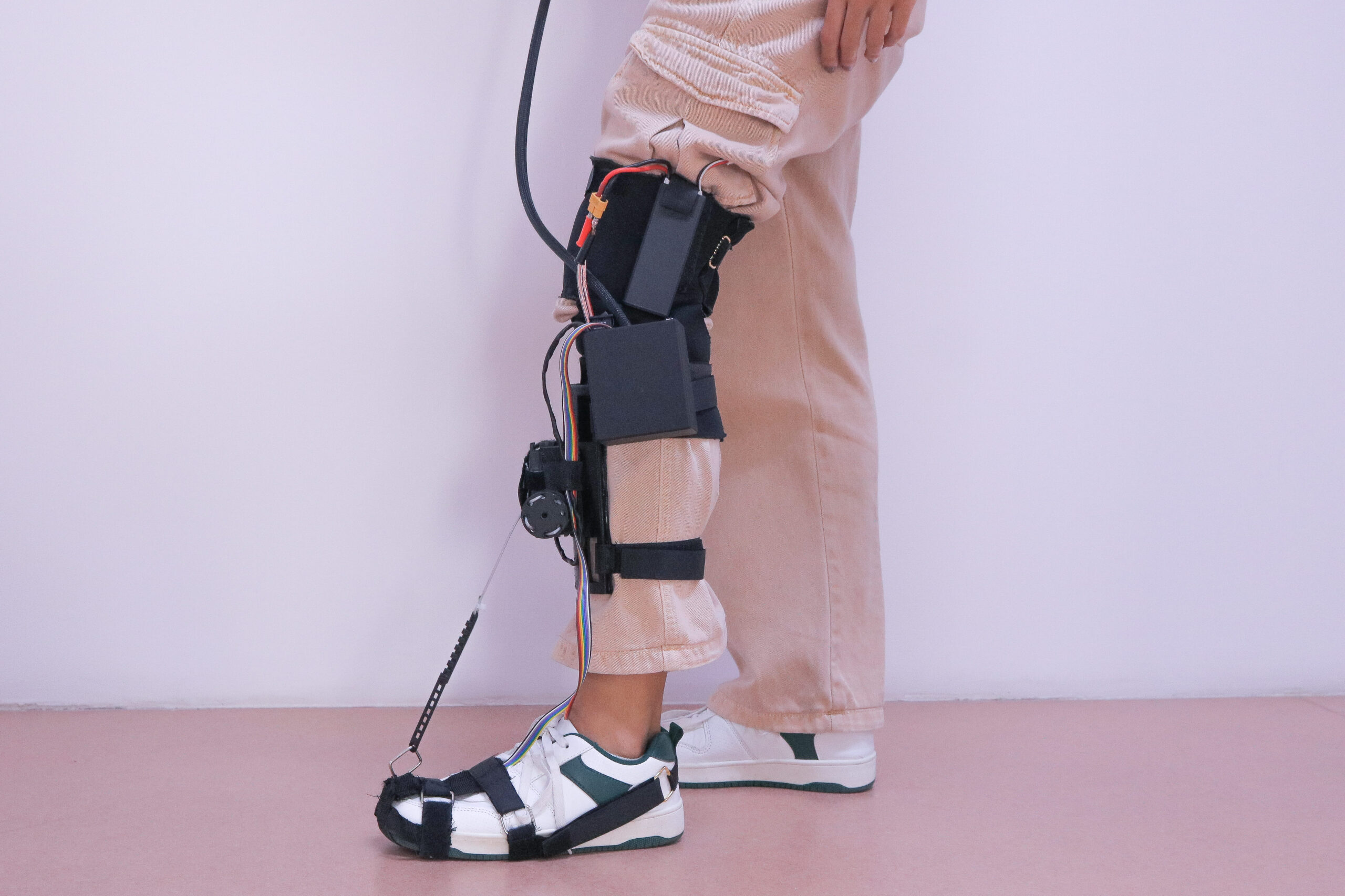
The first day of the event was dedicated to Scientific Exhibitions. Residents of the Multiprofessional Residency Program in Healthcare for People with Disabilities (RESPCD) and students from the Master's Program in Neuroengineering (PPGN) conducted workshops, games, and practical demonstrations that transformed complex topics into accessible knowledge for visitors.
For young students, direct contact with researchers and the Institute's laboratory infrastructure acts as a catalyst for dreams. "I really enjoyed the workshops because they put me in a place I never imagined I'd be," said student Ana Jaqueline, from the Rosa Pignataro Full-Time State School in the city of Nova Cruz.
In addition to students from the Rosa Pignataro School, the opening of the Fair welcomed students from the Professor Lourdinha Guerra State Center for Professional Education, in Parnamirim; the Ferreira Itajubá State School, in Natal; and the Alfredo Mesquita Filho Rural Education Center (CERU), in Macaíba, who performed a Boi de Reis presentation as part of the event's cultural program.
Events like the Fair fulfill the role of democratizing access to knowledge and highlighting that science has a strong transformative potential. “It’s a completely different day for these students. They got out of their school routine, visited an international research center, and experienced things that aren’t possible in their daily lives. Certainly, the students return home with new perspectives for their academic and professional future,” acknowledged computer science teacher Joel Gonçalves, from EETI Rosa Pignataro.
Science Fair and Scientific Exhibitions continue in November.
The ISD Science Fair and Scientific Exhibitions program continues on November 26th and 27th, when the Science Fair itself will take place, focused on the exhibition of stands and posters developed by students from Elementary, Middle, and Technical Education.
Registration for visits and presentations at the Science Fair remains open for educational institutions until November 16, 2026, and must be done through [link/method not specified]. event website.
“Through actions like this, we can spark interest in research and plant the seed of new possibilities. In fact, some of our undergraduate and graduate students in scientific initiation programs had their first contact with science at fairs like this one and today are part of the Institute, contributing to the production of knowledge,” highlighted the Fair Coordinator and ISD research professor, Carolina Gonzalez.
The ISD Science Fair and Scientific Exhibitions are held with the support of CNPq, FNDCT, the Ministry of Science, Technology and Innovation (MCTI) through the Pop Ciência Program, and the Ministry of Education (MEC) via the Full-Time School Program.
About ISD
The Santos Dumont Institute (ISD) is a Social Organization of the Federal Executive Branch, supervised by the Ministry of Education, with the intervention of the Ministries of Sport and Health. It encompasses the Edmond and Lily Safra International Institute of Neuroscience and the Anita Garibaldi Center for Education and Research in Health, both located in Macaíba. The ISD's mission is to promote education for life, forming citizens through integrated teaching, research, and outreach activities, as well as contributing to a more just and humane transformation of Brazilian social reality.