

Among the main objectives of the Santos Dumont Institute's (ISD) activities in the areas of scientific research and technological production are the encouragement of inter-institutional partnerships and the broadening of scientific horizons. In this context, the Institute annually receives researchers from all over Brazil and other countries, who participate in research projects of the Postgraduate Program in Neuroengineering (PPGN).
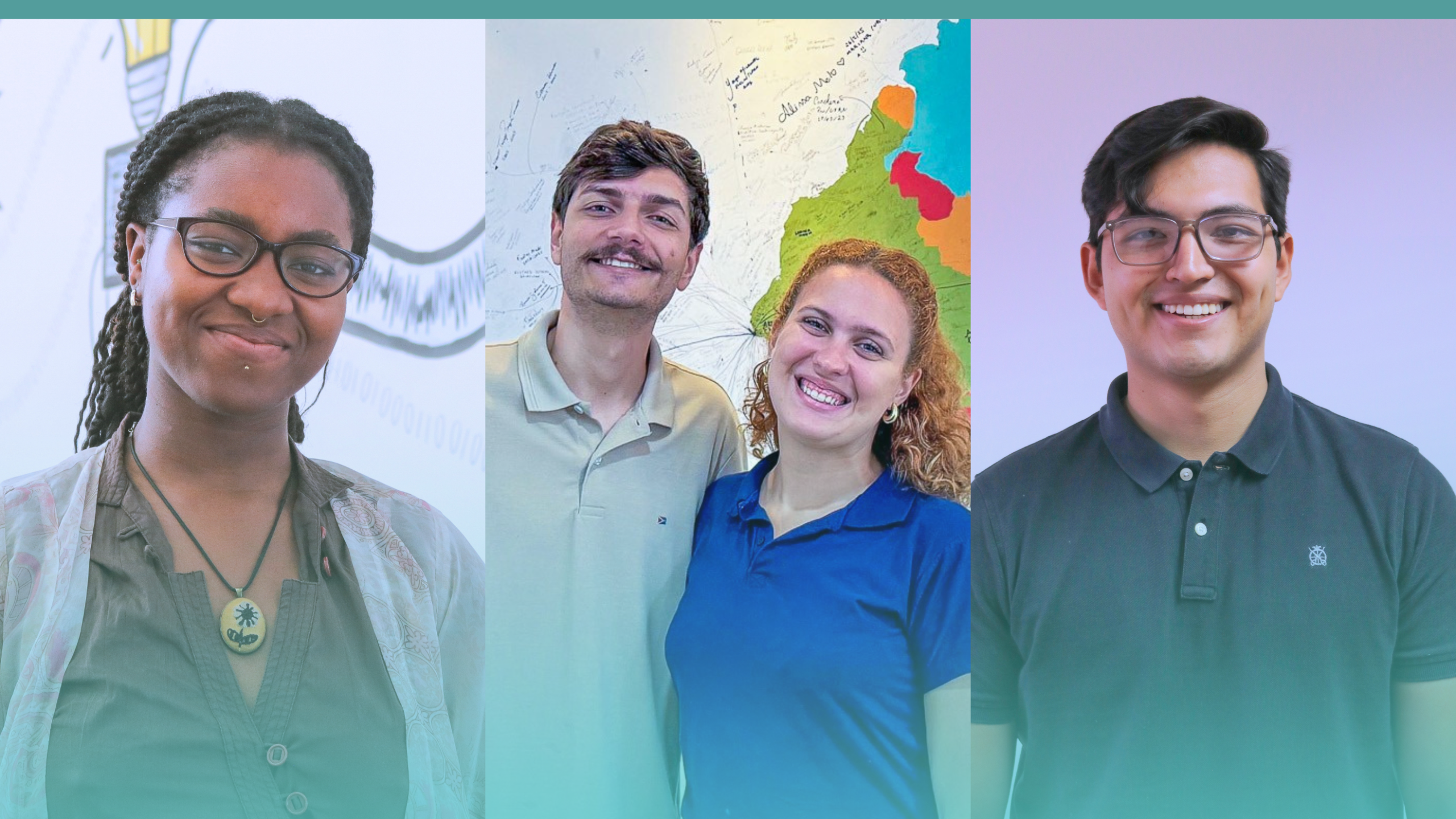
Originally from the United Kingdom, researcher Blessing Akintay's exchange program is a result of ISD's policy efforts focused on infrastructure sharing and global inclusion. The British researcher visited ISD for a period of two months to participate in studies of cognition and learning integrated with basic research.
Holding a degree in Natural Sciences with an emphasis in Neuroscience from University College London, England, Blessing worked under the guidance of Professor Ramón Hypolito. During her stay, the researcher collaborated on the construction of mobile implant arrays in the Neuroengineering Laboratory. These arrays will be used for recording electrical activity and behavioral monitoring in experiments involving memory and cognitive training.
“Living with so many different people, each with their own way of approaching work, research, and conducting experiments, was very useful. The Natural Sciences course [that I completed] is interdisciplinary, with many different people from various fields, but I didn't have many opportunities to combine my areas at the same time, whereas at ISD I had never been close to so many different people from so many different fields,” says Blessing.
The ISD also reinforces the importance of expanding relationships with established educational institutions in Brazil. An example of this is the student and alumnus from the Municipal University of São Caetano do Sul (USCS), Bianca Baroni and Guilherme Tarasinsky, who recently visited the Institute. During their time at the institution, they underwent comprehensive training in the equipment and procedures of the Human-Machine Interface Laboratory.
Through the project they were involved in at ISD, Bianca and Guilherme were exposed to electroencephalography (EEG), electromyography (EMG), functional near-infrared spectroscopy (fNIRS) techniques, the Qualisys motion capture system, and the Zeno walkway for measuring gait parameters, all used for research with human subjects conducted at ISD.
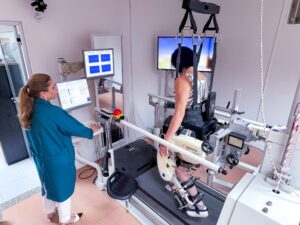
The visiting researchers were also able to learn about other technologies used in neurorehabilitation and clinical research, such as Transcranial Direct Current Stimulation (tDSC), the Lokomat exoskeleton, and the Zero G dynamic body weight support system, as well as observe data collection and research with orthotics.
“The main impact on my professional life is that it opened new horizons and showed us that we have many perspectives. After this experience, I feel more prepared to finish college and, after that, delve deeper into other areas, especially research,” says Bianca.
The National Open Laboratories program, which hosted Bianca and Guilherme, offers the sharing of infrastructure and equipment from the Edmond and Lily Safra International Institute of Neuroscience (IIN-ELS), one of the two units of the ISD, contributing to the strengthening of research developed in the country. The laboratories have specialized expertise in the areas of Neuroscience, Neuroengineering, and Rehabilitation.
For proposal submissions and more information regarding program requirements, please visit the institution's official website. https://institutosantosdumont.org.br/laboratorios-abertos/.
From exchange programs to master's degrees.
ISD's open-door policy is not only a tool for global scientific collaboration, but also a strategy to diversify and expand the institution's workforce.
Biomedical engineer Andres Ocampo, originally from Bolivia, first came to the Institute in 2025 when he was an undergraduate student at the Bolivian Catholic University San Pablo. At the time, he worked on developing a system to apply optogenetic stimulation. In 2026, he returned to the ISD as a Master's student in Neuroengineering.
“I decided to return to the ISD master's program because the experience I had was extremely positive and further sparked my interest in the field. The project I developed motivated me a lot, especially because of the opportunity to work with advanced equipment and experimental methodologies that are ideal for the line of research I intend to pursue,” says Andres.
During his two-year master's program, Andres will study, under the guidance of research professor Carolina Gonzalez, neural signal processing techniques and methods of... machine learning focused on investigating memory processes, strengthening important scientific foundations for understanding how the brain works.
About ISD
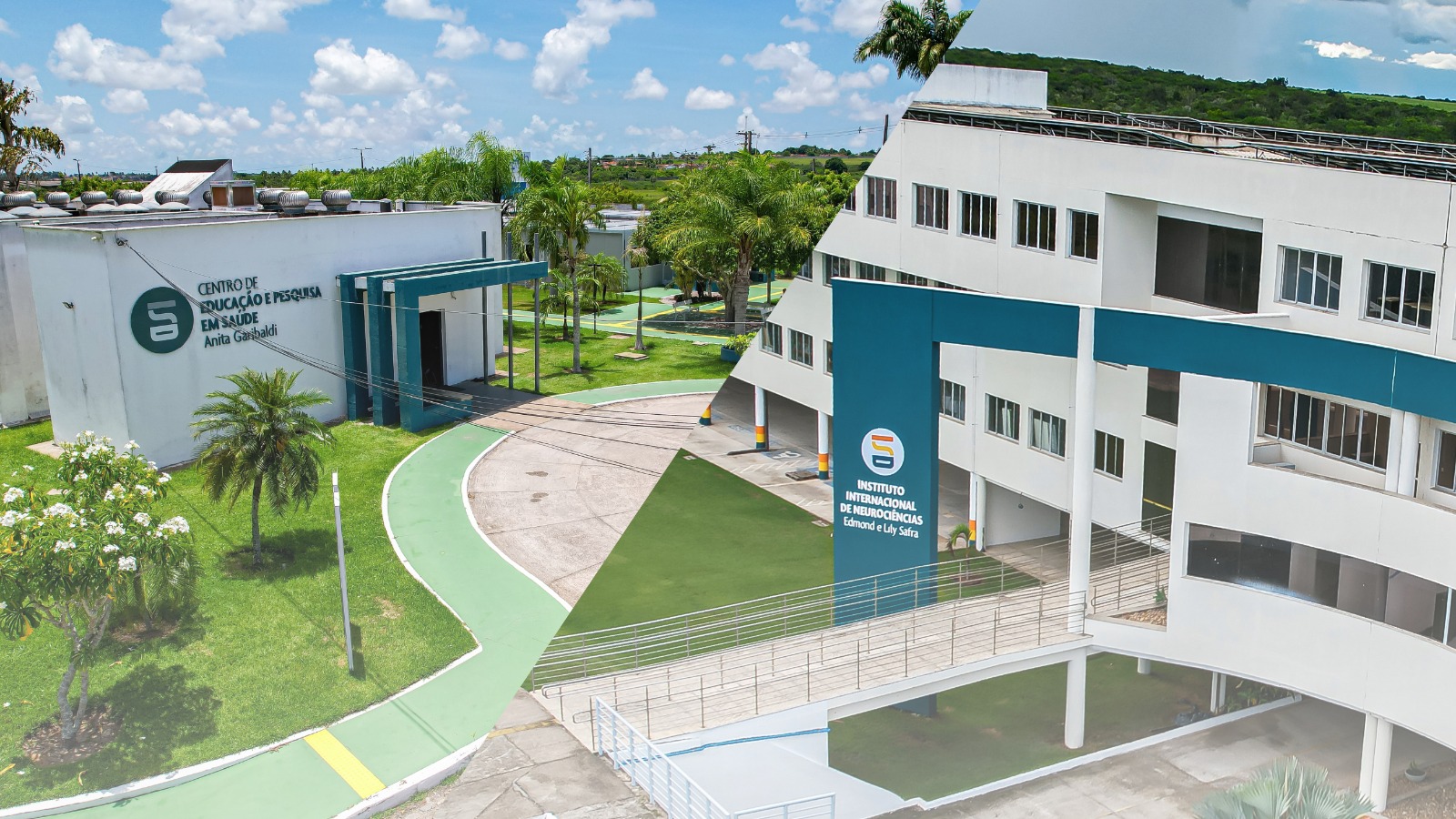
The Santos Dumont Institute (ISD) is a Social Organization of the Federal Executive Branch, supervised by the Ministry of Education, with the intervention of the Ministry of Sport. It encompasses the Edmond and Lily Safra International Institute of Neuroscience and the Anita Garibaldi Center for Education and Research in Health, both located in Macaíba. The ISD's mission is to promote education for life, forming citizens through integrated teaching, research, and outreach activities, as well as contributing to a more just and humane transformation of Brazilian social reality.