

The month of August, from the 21st to the 28th, marks the Week of the Person with Intellectual and Multiple Disabilities. The campaign aims to bring visibility to users and their families who, in many cases, face various attitudinal barriers in their daily lives and a lack of information about the rights and potential of people with disabilities.
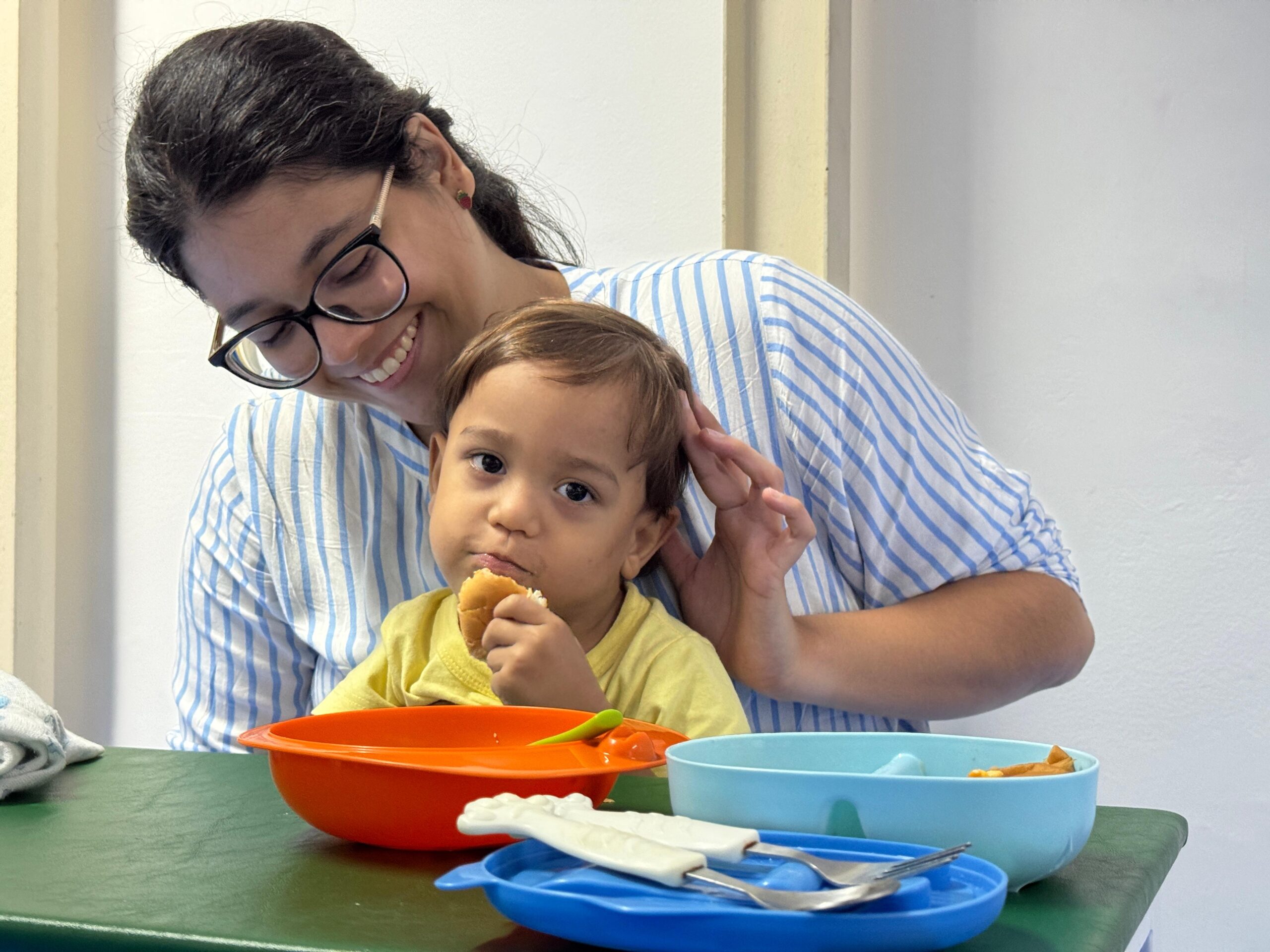
This is a daily reality for Priscila Firmino, mother of Darrillyn and Jeremias, a teenager and a child with intellectual disabilities. Both are supported by the Santos Dumont Institute (ISD) in Macaíba, as part of the multidisciplinary care provided by the Specialized Rehabilitation Center (CER ISD).
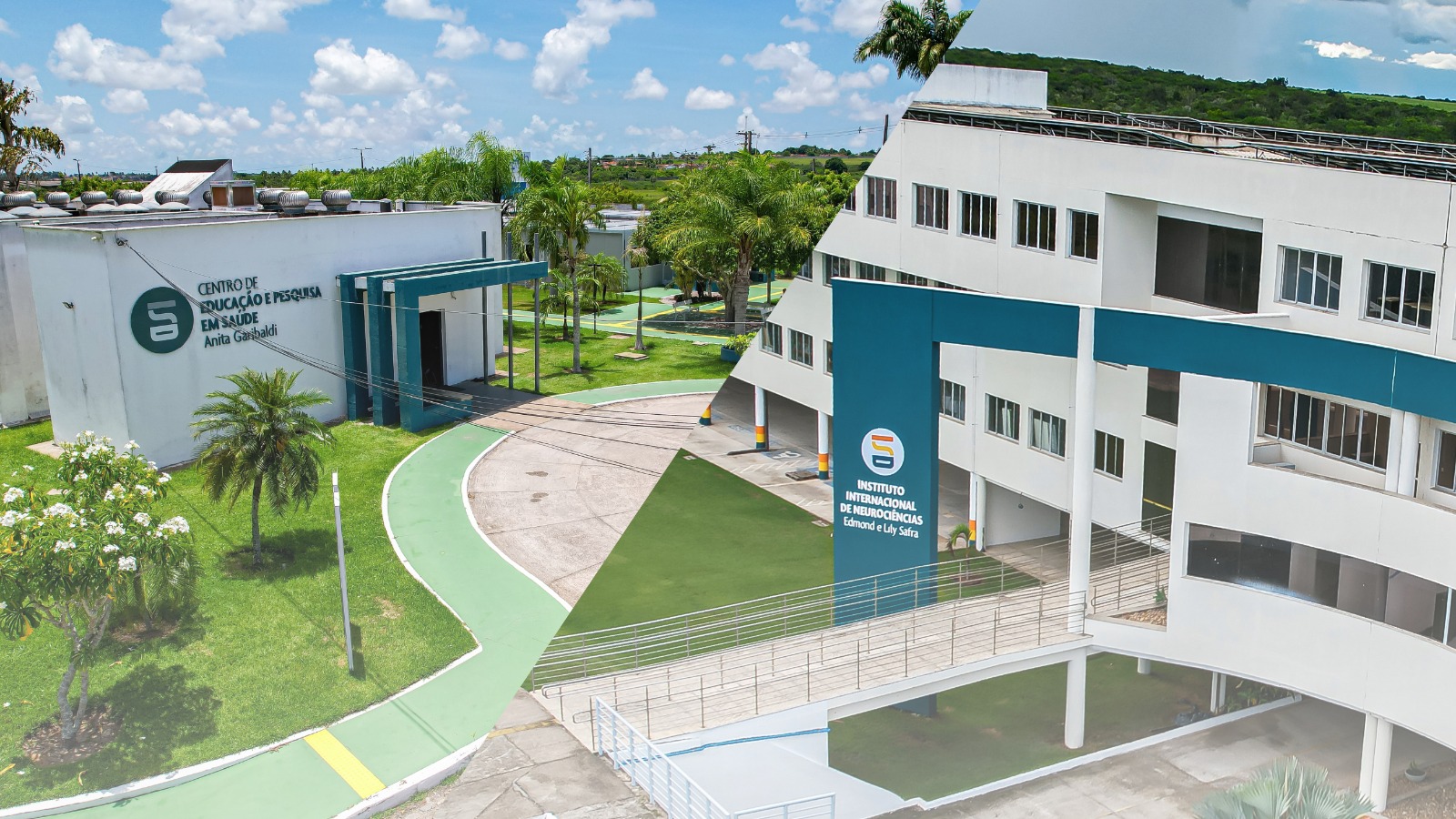
The family's history with ISD begins when Darrillyn was three years old. She joined the maternal and child outpatient clinic at the Anita Garibaldi Center for Health Education and Research (Anita), receiving pediatric and multidisciplinary care. During her time as a user of the services, Darrillyn was diagnosed with global developmental delays and Autism Spectrum Disorder (ASD).
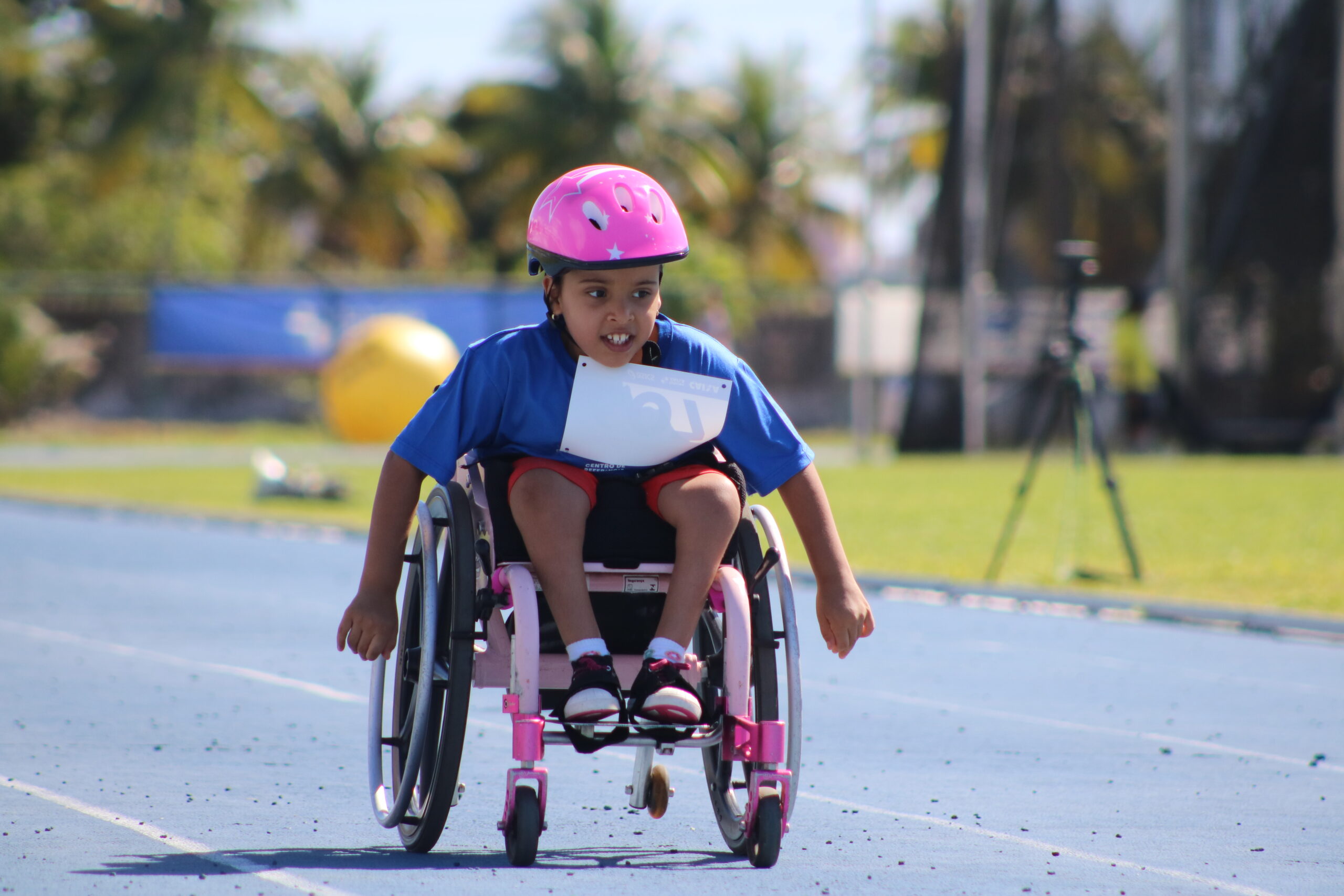
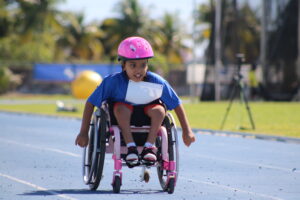
Today, at age 15, the teenager and her brother are part of the ISD Paralympic sports program, Darrillyn in athletics and Jeremias in adapted sports, both offered by the ISD through the institution's Paralympic Reference Center.
Beyond the sporting aspect, the activity helped them in areas such as emotional control, sociability, improved self-esteem, and social integration through training and competition spaces.
“The diagnosis doesn’t have a face, and it comes, but it comes so that we can help [children and teenagers] even more. Sport was very important for them because it reduced their anxiety. Darrillyn is able to interact more, and Jeremias learned the importance of patience,” reports the mother, Priscila Firmino.
For Caroline Leôncio, a multidisciplinary neuropsychologist preceptor at ISD, the topic of intellectual and multiple disabilities is intrinsically linked to guaranteeing opportunities for social inclusion. Caroline highlights Paralympic sports as a space that allows this to happen, enabling the expansion of motor, cognitive, and socio-emotional skills, as well as strengthening social interaction and a sense of belonging.
“When we guarantee opportunities, accessibility, and create spaces for support, we realize that children are able to advance in autonomy, realize their potential, and participate more actively in society,” explains the professional.
Understanding intellectual and multiple disabilities
According to the World Health Organization (WHO), multiple disabilities are not a single category, but a term that refers to the combination of primary disabilities of a physical, intellectual, visual, or sensory nature, resulting in impacts on autonomy, biological and sensorimotor functions, and social participation.
Multidisciplinary care is essential in the treatment, habilitation, and rehabilitation of these cases, considering the variety of factors that can contribute to the emergence of more than one disability, from the gestational period to old age.
Intellectual disabilities can be defined as a set of variations in intellectual, cognitive, and behavioral development. Often, their associated conditions are hidden and not identifiable by biological markers; that is, they depend on multidisciplinary monitoring and pediatric and neuropsychological assessments for diagnosis.
The developmental period, from early childhood to adolescence, is considered crucial for identifying disabilities such as ASD (Autism Spectrum Disorder), which impacts the socialization, daily habits, and comfort of children and adolescents.
In both cases, the care strategies are diverse. Paralympic sport is one of the practices adopted by ISD to encourage development with greater independence, better preparation for social and educational situations, and prospects for a future with a higher quality of life.
About ISD
The Santos Dumont Institute (ISD) is a Social Organization of the Federal Executive Branch, supervised by the Ministry of Education, with the intervention of the Ministry of Sport. It encompasses the Edmond and Lily Safra International Institute of Neuroscience and the Anita Garibaldi Center for Education and Research in Health, both located in Macaíba. The ISD's mission is to promote education for life, forming citizens through integrated teaching, research, and outreach activities, as well as contributing to a more just and humane transformation of Brazilian social reality.