

The Santos Dumont Institute (ISD) participated last week, from November 4th to 6th, in the Workshop on Good Practices and Refinement in Animal Research, held in partnership with the Federal University of Rio Grande do Norte (UFRN), through the Pro-Rectorate for Research (PROPESQ), with ISD as a co-executing institution. The training brought together approximately 50 researchers and professionals involved in teaching and research activities with animals, with the aim of sharing knowledge and improving procedures related to ethics, animal welfare, and scientific quality.
With a workload of 15 hours, the program included theoretical and practical activities on experimental planning, environmental enrichment, refined handling of rodents and non-human primates, anesthesia and analgesia, pain recognition, collection of biological material, and biosafety.
Training, theoretical knowledge and practical experience
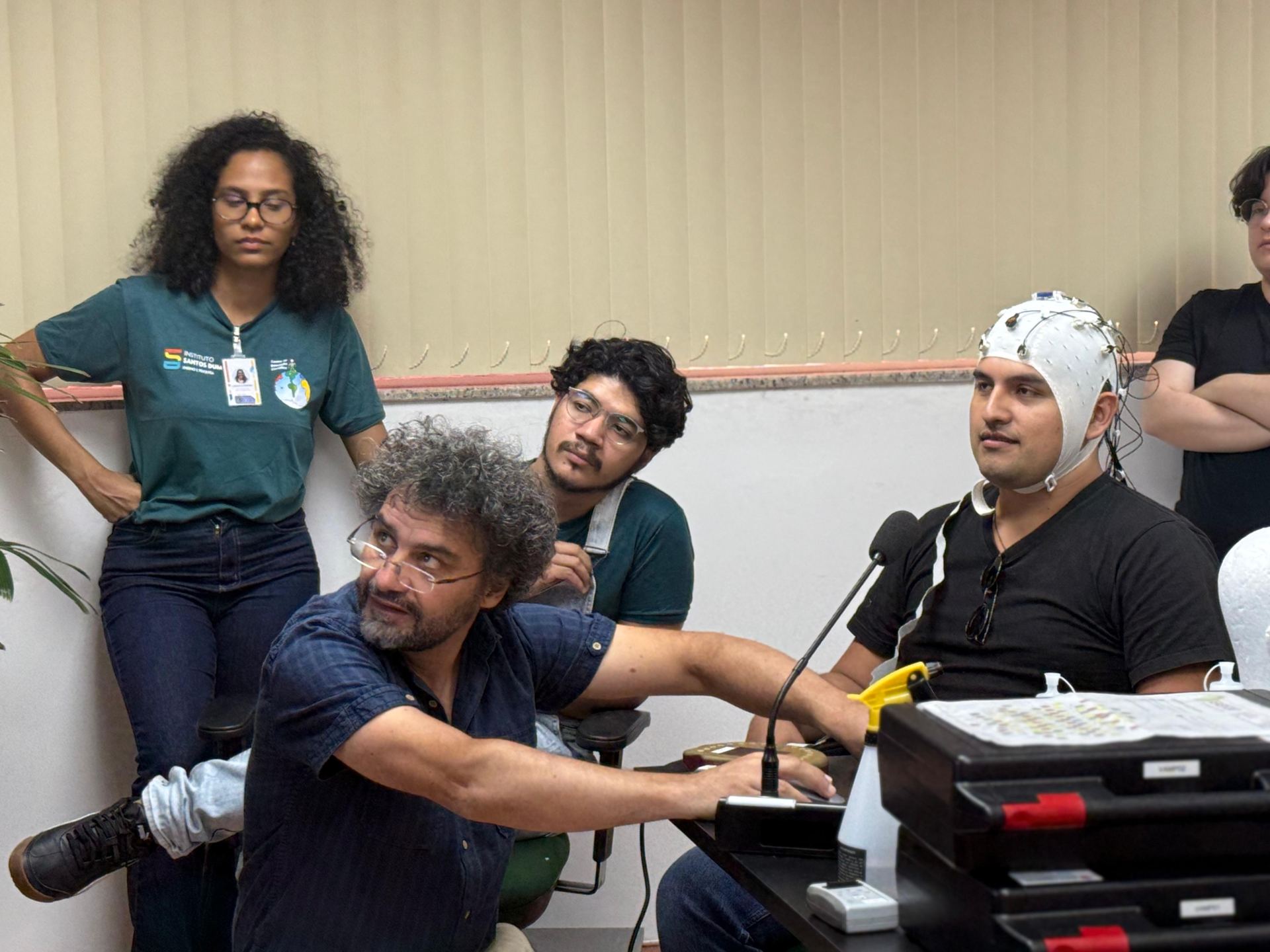
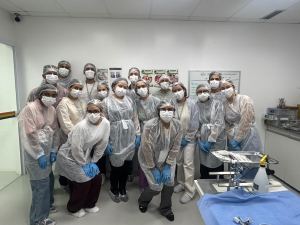
The theoretical activities were held in the Auditorium of the Postgraduate Program in Science and Technology (PGTEC). The practical activities took place in the laboratories of the Edmond and Lily Safra International Institute of Neuroscience (IIN-ELS), an ISD unit in Macaíba (RN), and in the Molecular Biophysics Laboratory of the Department of Biophysics and Pharmacology, at the Biosciences Center of UFRN.
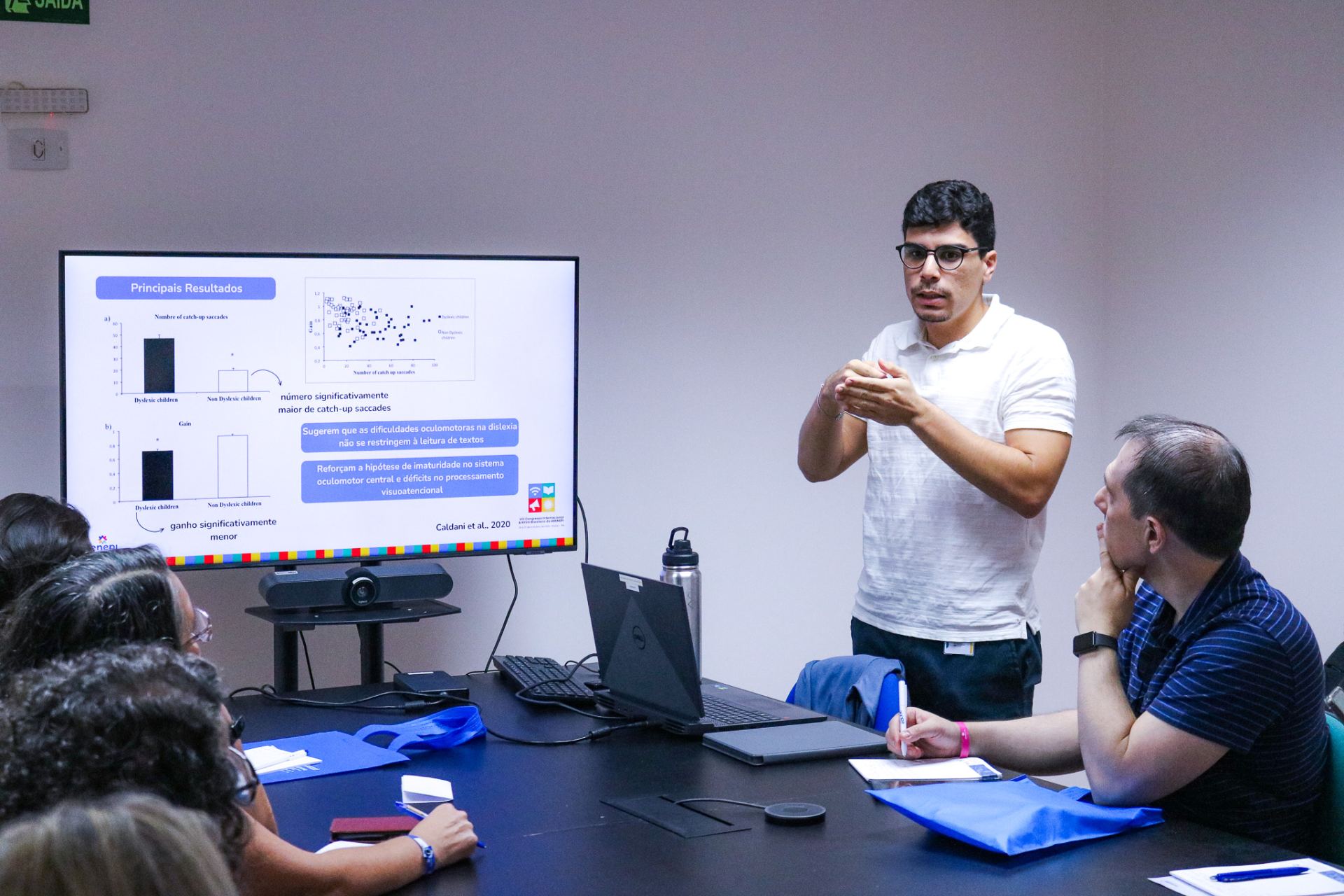
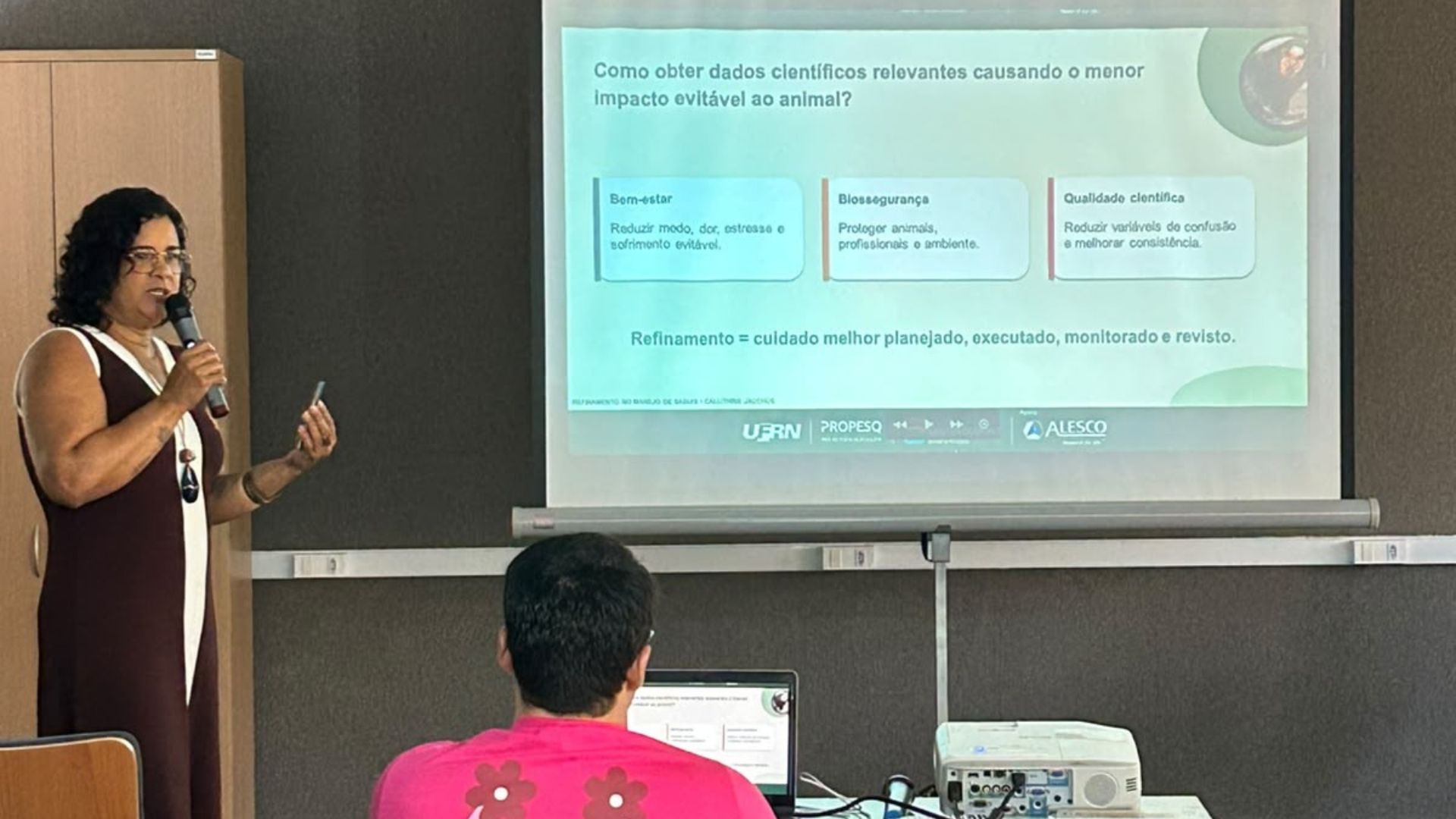
On the first day of the event (4), the veterinary doctor from the Santos Dumont Institute (ISD), Valéria Arboés, gave the lecture “Refinement in the Management of Non-Human Primates”, held from 2 pm to 3:30 pm, in the Auditorium of the Postgraduate Program in Science and Technology (PGTEC). The activity addressed refined management practices for non-human primates, focusing on animal welfare and ethics in scientific research.
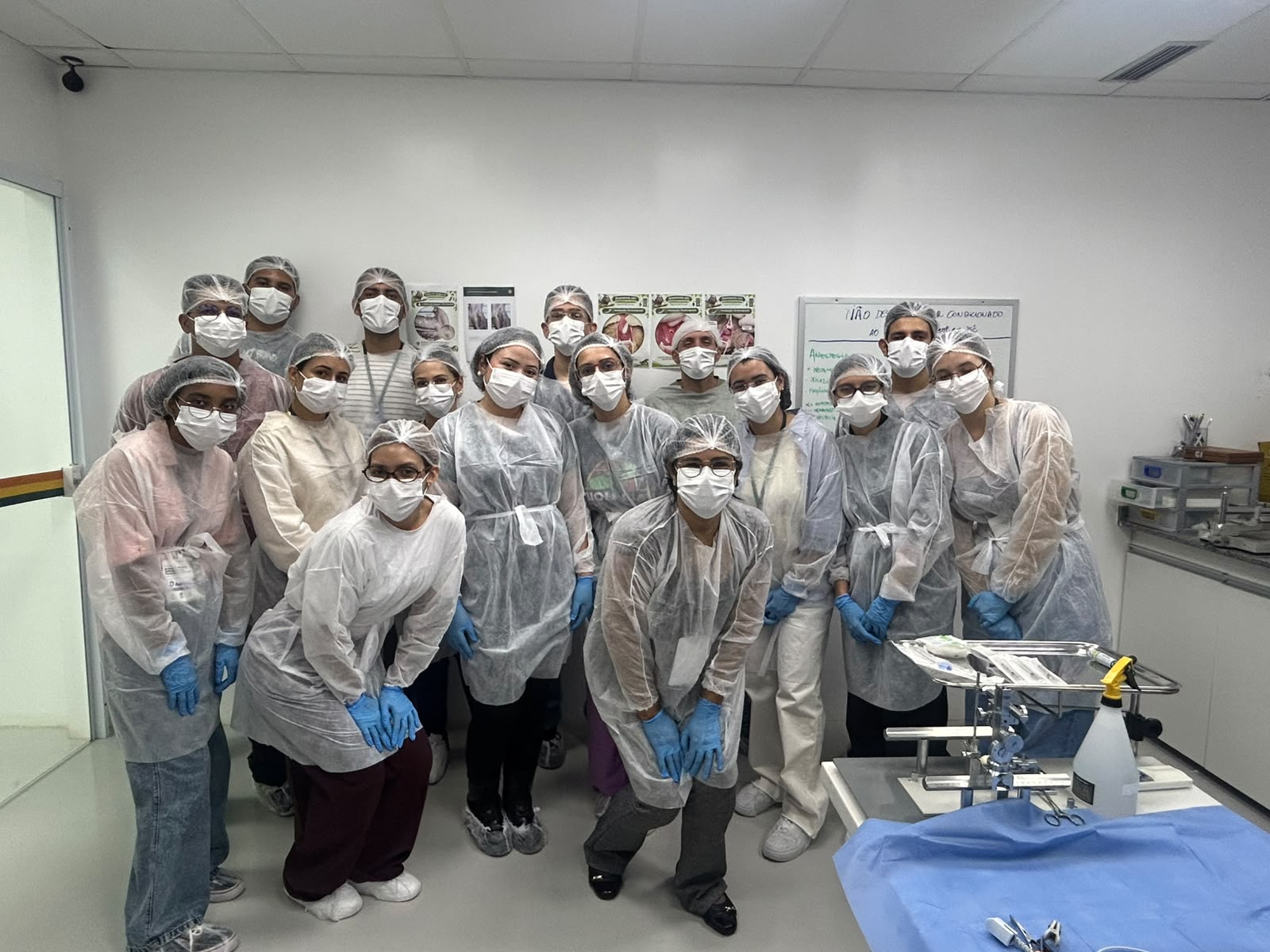
The last day of the workshop (6) was dedicated to practical activities, with participants divided into two groups: one focused on rodent handling and the other on non-human primate handling. At II-NELS, the primate group participated in an activity on Refined Primate Handling, also conducted by veterinarian Valéria Arboés.
Good practices and animal welfare
For Valéria, participating in the workshop also represented an opportunity to bring students closer to the principles that guide responsible scientific research. “Introducing topics such as ethics, animal welfare, and responsible management from an early stage is fundamental to forming a new generation of more conscious researchers,” she emphasized. During the practical activity, participants learned about a marmoset model and observed demonstrations of handling, restraint, anesthesia, sample collection, and nutritional management, without invasive interventions or procedures on the animal. Furthermore, she highlighted the importance of the exchange of experiences between students and professionals for strengthening an increasingly ethical science.
The program also addressed the principles of the 3Rs (Replacement, Reduction, and Refinement) and the Culture of Care, fundamental concepts for promoting increasingly conscious scientific research. The practices presented reinforced the importance of considering animal welfare at all stages of studies, from experimental planning to the execution of procedures.
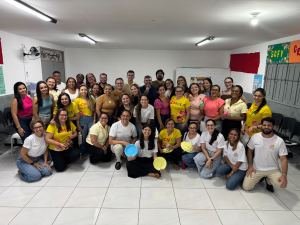
The closing session included a meeting of all participants, dedicated to evaluating the theoretical and practical activities, exchanging experiences, and making final considerations about the knowledge shared throughout the training.
This initiative reinforces the importance of collaboration between educational and research institutions for the continuing education of professionals and the strengthening of a scientific culture guided by ethics, care, and excellence in animal research procedures.
About ISD
The Santos Dumont Institute (ISD) is a Social Organization of the Federal Executive Branch, supervised by the Ministry of Education, with the intervention of the Ministry of Sport. It encompasses the Edmond and Lily Safra International Institute of Neuroscience and the Anita Garibaldi Center for Education and Research in Health, both located in Macaíba. The ISD's mission is to promote education for life, forming citizens through integrated teaching, research, and outreach activities, as well as contributing to a more just and humane transformation of Brazilian social reality.