

In popular imagination, Children's Day is synonymous with parties and gifts. However, for science, early childhood – the period from gestation to age 6 – is, above all, the most important window of opportunity in human life. It is during this phase that the child's brain forms thousands of new neural connections per second, a complexity that depends directly on crucial factors such as biological aspects, experiences, and the relationships the child establishes with their caregivers.
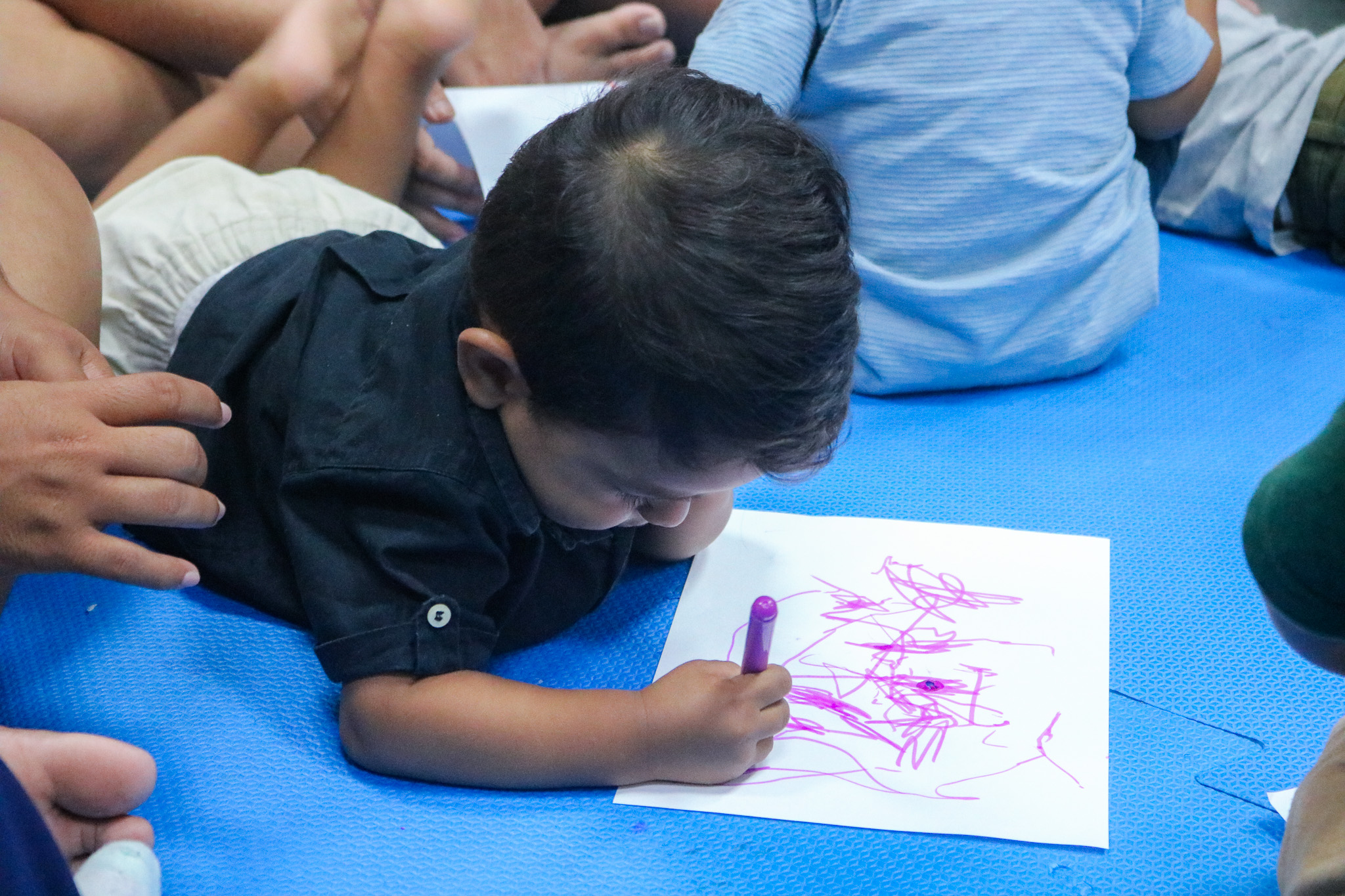
At the Santos Dumont Institute (ISD), a leading center for brain studies and the rehabilitation of people with disabilities, play has gained the status of a fundamental therapeutic tool for neurofunctional and communicative development. ISD's preceptor psychologist, Júlia Carmo, explains that play goes far beyond entertainment. "For babies and young children, play is one of the main ways to get to know their own bodies, experience their environment, establish relationships, develop communication, express emotions, and build new learning experiences," she emphasizes.
According to the expert, adults can contribute to this process. To do so, they don't need to become teachers, but rather be available to enter the child's world through observation and acceptance.
When a baby babbles and receives a response, or when they point to an object and an adult follows their interest, an exchange is created that is indispensable for the construction of brain architecture. “A secure attachment is precisely what fosters exploration. A child doesn't need a childhood full of programmed activities to develop. They need sufficiently good relationships, security, opportunities to explore, time to play, movement, language, affection, limits, and presence,” points out the psychologist.
The language that arises from play.
If psychology points to play as the basis for emotional security and the formation of bonds, speech therapy interprets it as the cradle of language and speech. It is through the imitation of sounds, gestures, facial expressions, and social interactions that babies understand the world and begin to communicate.
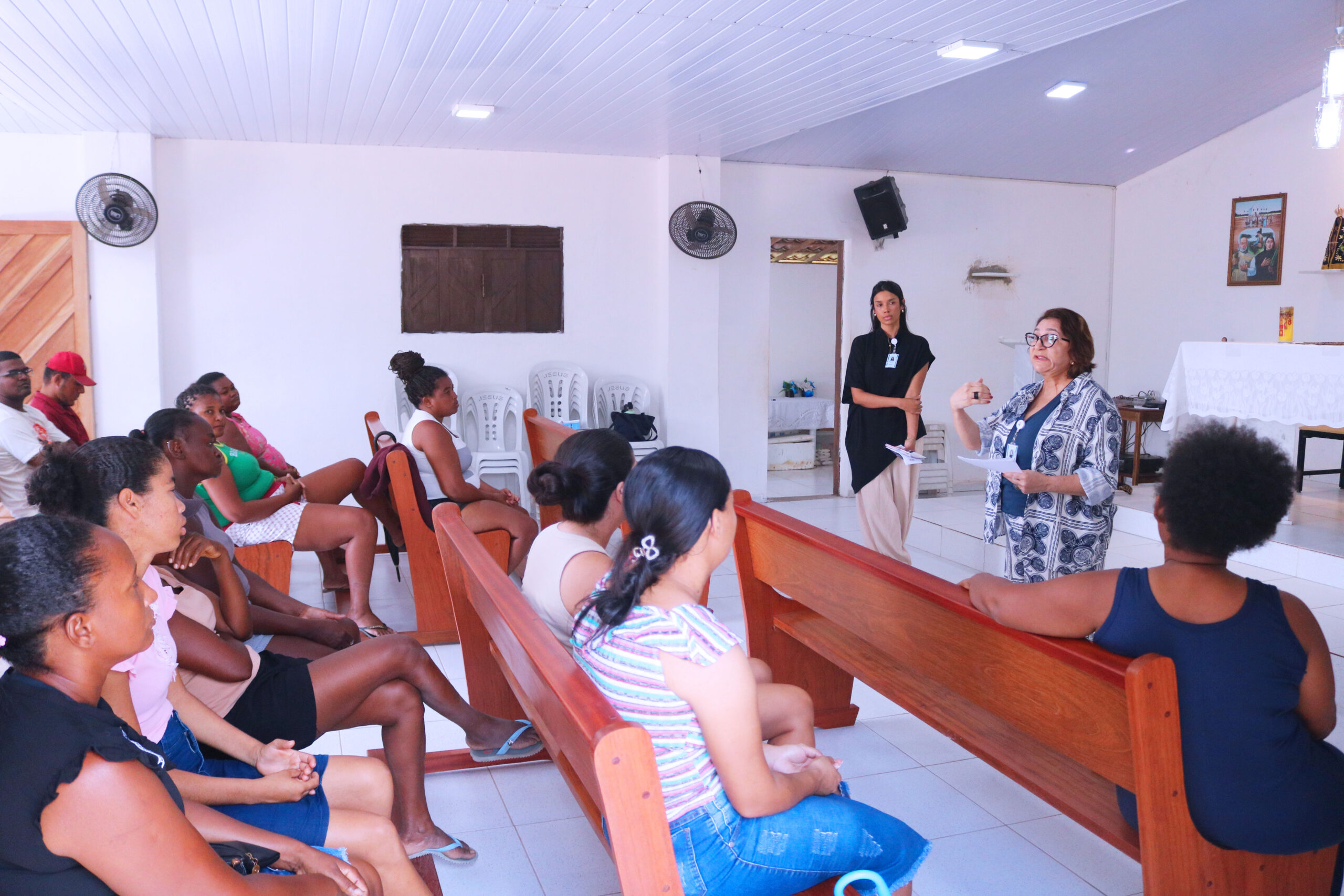
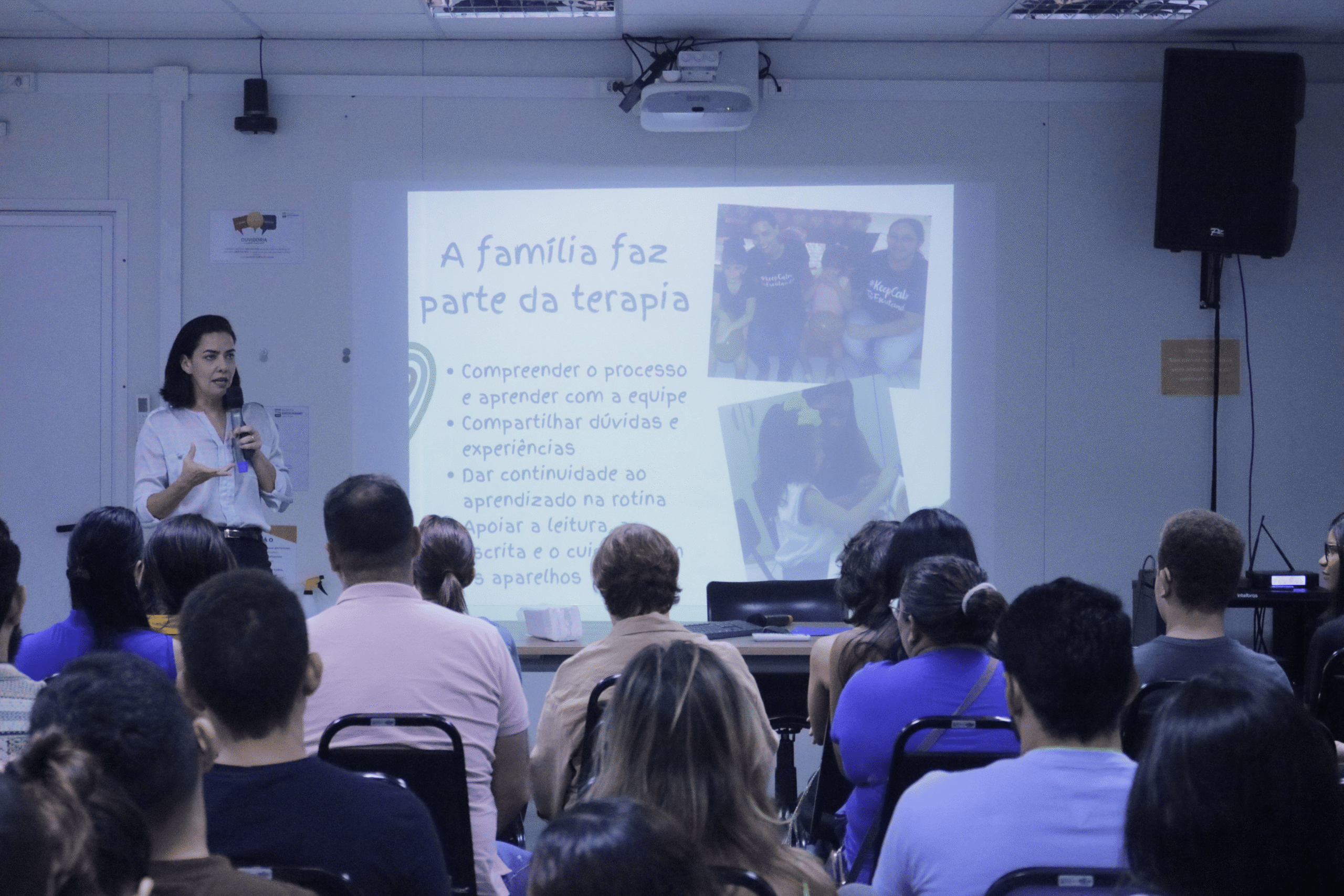
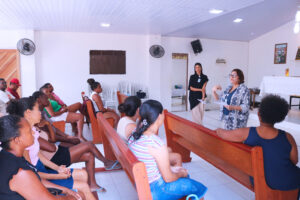
At ISD, this approach gains practical strength with the Multitherapeutic Social Interaction Group (MultiGIS), focused on stimulating language in early childhood. Coordinated by preceptors, residents of the Institute, and students, the project has a central focus: empowering the family in caregiving.
“MultiGIS aims to promote social interaction between babies and children, as well as practical learning for families about strategies to stimulate communication,” explains speech therapist and preceptor Mirelly Danglês.
The expert emphasizes that the progress observed in the young participants of the group is the result of a combination of factors, including contact with other children and the rich exchange of experiences among family members themselves.
Daily life as a space for development.
With the hustle and bustle of modern life and the lack of free time, many families bear the burden of not providing sufficient stimulation for their children. Kettily Katiane is the mother of little Arthur Gael, 1 year and 11 months old. She and her son participate weekly in MultiGIS activities, in addition to being supported by other services offered by the Institute. Kettily recognizes the importance of early stimulation for the development of her first child.
“The group encourages him to play, to participate in games and interactions with other children, and to share toys and objects. I notice that he is learning to communicate with other children and with the world around him,” she says.
However, stimulation is not limited to group interaction. Family members are guided by the ISD's multidisciplinary team to maintain stimulation at home. “When families apply these strategies daily, progress appears faster. And the best part: it's not necessary to spend hours on the floor playing. Parents can stimulate speech during meals, changing clothes, or on the way to school, making the child more involved in daily life activities,” reinforces Mirelly Danglês.
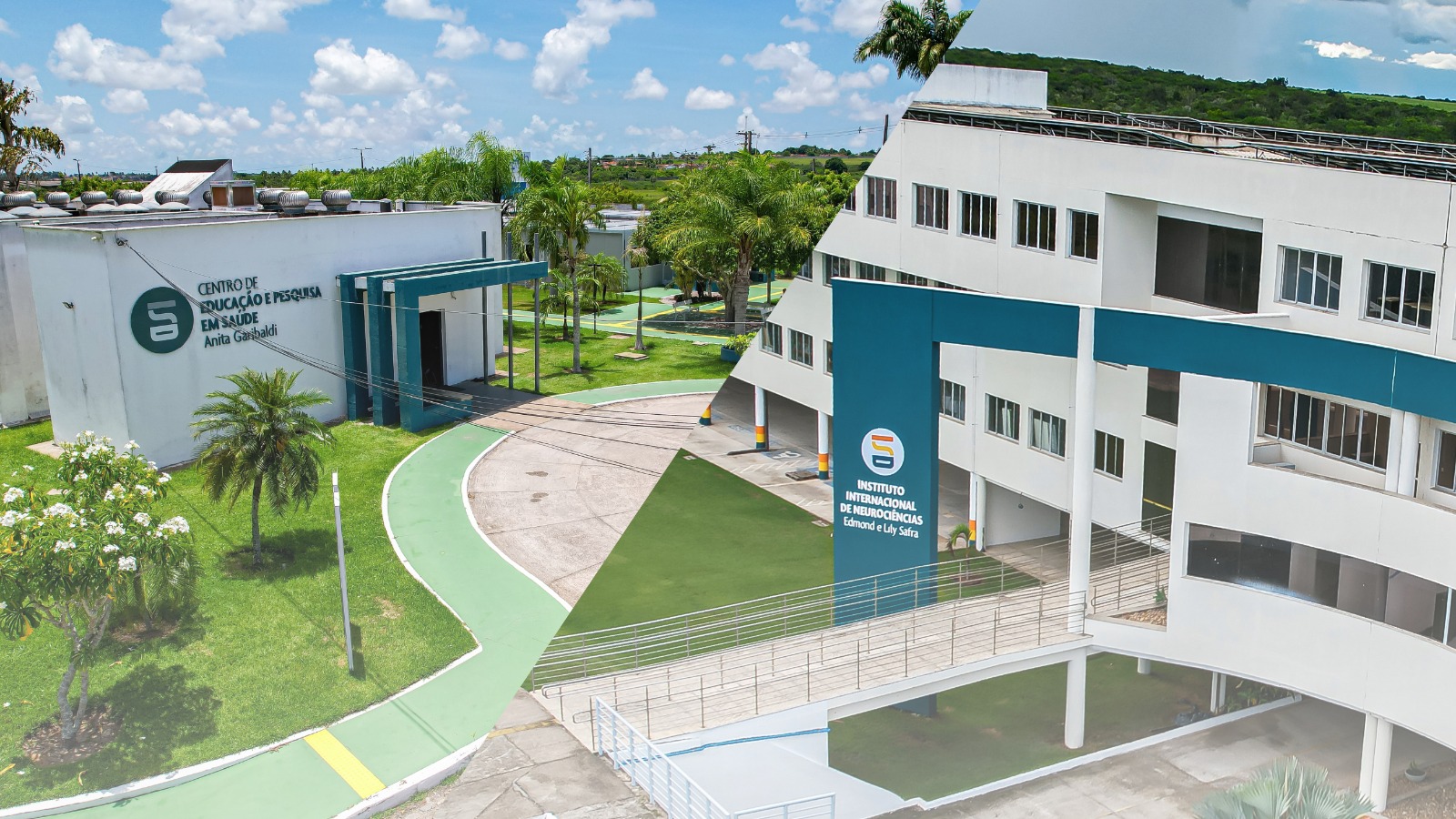
Access to MultiGIS, which takes place every Friday morning at the Anita Garibaldi Education and Research Center (Anita) in Macaíba, is for children who have been followed by the ISD's maternal and child health service since the gestational period, and whose referrals occur after speech therapy screening.
About ISD
The Santos Dumont Institute (ISD) is a Social Organization of the Federal Executive Branch, supervised by the Ministry of Education, with the intervention of the Ministries of Sport and Health. It encompasses the Edmond and Lily Safra International Institute of Neuroscience and the Anita Garibaldi Center for Education and Research in Health, both located in Macaíba. The ISD's mission is to promote education for life, forming citizens through integrated teaching, research, and outreach activities, as well as contributing to a more just and humane transformation of Brazilian social reality.