

The Brazilian Paralympic Committee (CPB) is accepting registrations for the in-person seminar on Paralympic sports, which will be held on October 30th and 31st at the Santos Dumont Institute (ISD) in Macaíba and at the Federal University of Rio Grande do Norte (UFRN) in Natal. Registration is free and can be completed through the website. Paralympic Education until October 28th.
The course has a total workload of 16 hours and 100 spaces are available. The prerequisite for participating in the seminar is completion of the course.Paralympic Movement: Basic Fundamentals of Sport”, also available for free on the Paralympic Education website.
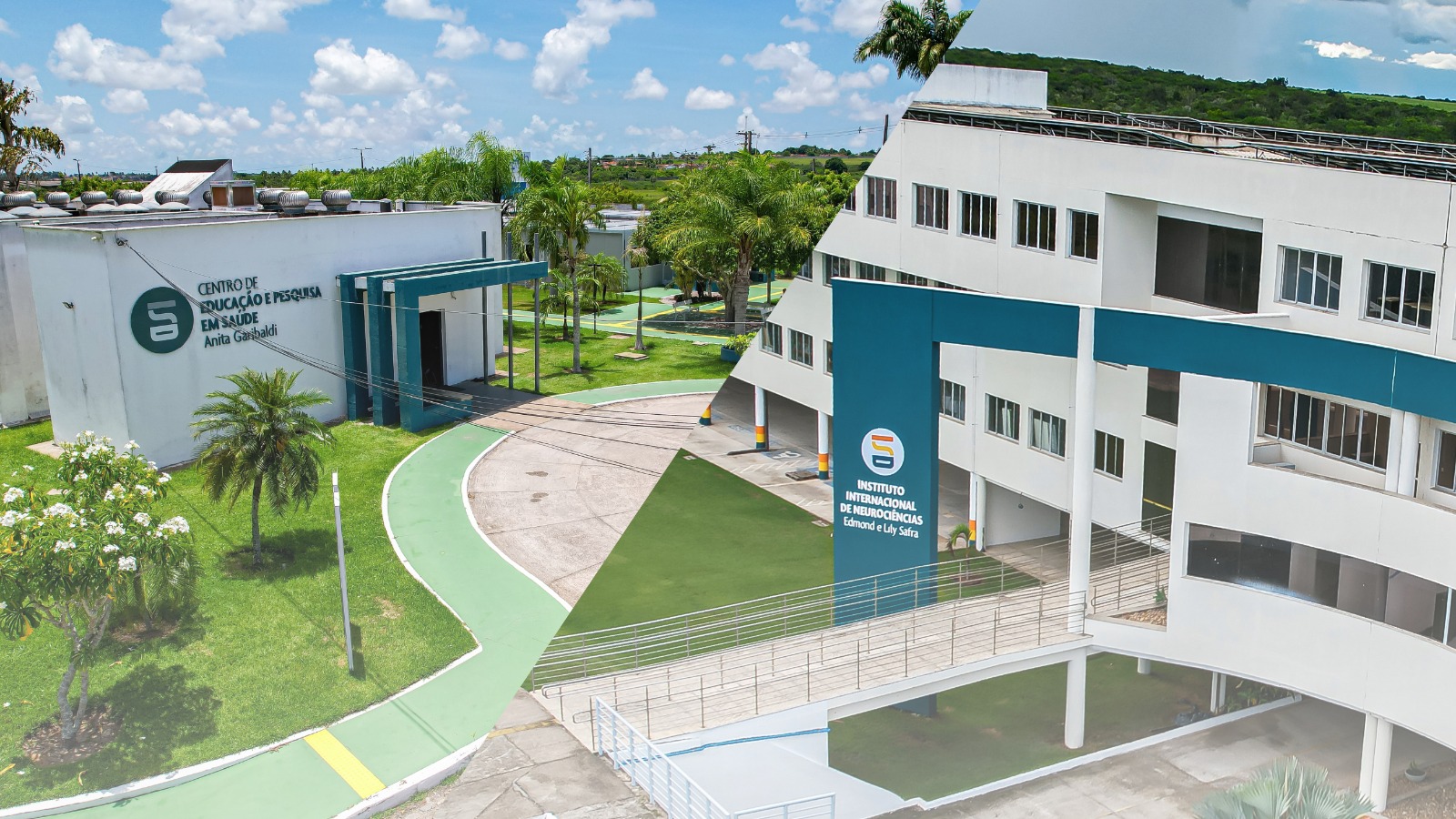
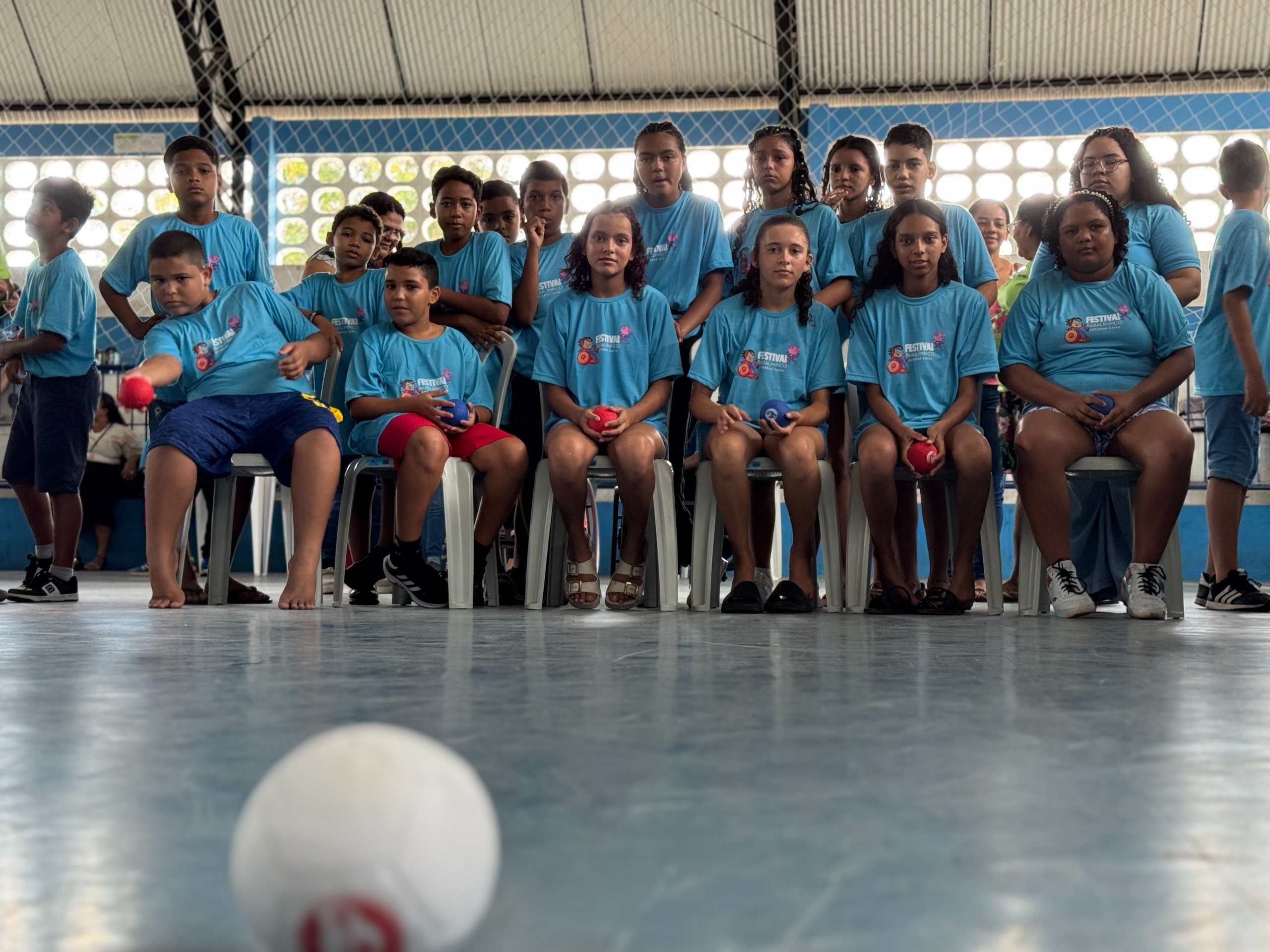
The first day of the seminar will be held at the Anita Garibaldi Health Education and Research Center (Anita), an ISD unit in Macaíba, where there will be a theoretical class and practical activity on Paralympic boccia, from 8:30 am to 5 pm.
The second day of the seminar will take place in the UFRN Physical Education Department and will cover Paralympic Education projects and their potential, as well as theoretical and practical archery activities. The program will also run from 8:30 a.m. to 5:00 p.m.
Professionals from any field or those interested in parasports can participate in the seminar program upon prior registration.
Service
Paralympic Education Seminar
Day 30
Location: Anita Garibaldi Health Education and Research Center (Anita) – Rod. RN-160, 2010 (next to the UPA of Macaíba), Macaíba/RN
Hours: 8:30 am to 5:00 pm
Day 31
Location: Department of Physical Education of UFRN – Natal/RN
Hours: 8:30 am to 5:00 pm
Registrations: until October 28th, in this link.
About ISD
The Santos Dumont Institute is a Social Organization linked to the Ministry of Education (MEC) and includes the Edmond and Lily Safra International Neuroscience Institute and the Anita Garibaldi Health Education and Research Center, both in Macaíba. ISD's mission is to promote education for life, forming citizens through integrated teaching, research and extension actions, in addition to contributing to a fairer and more humane transformation of Brazilian social reality.