
World Brain Day: research from the Santos Dumont Institute unveils the human "command center"

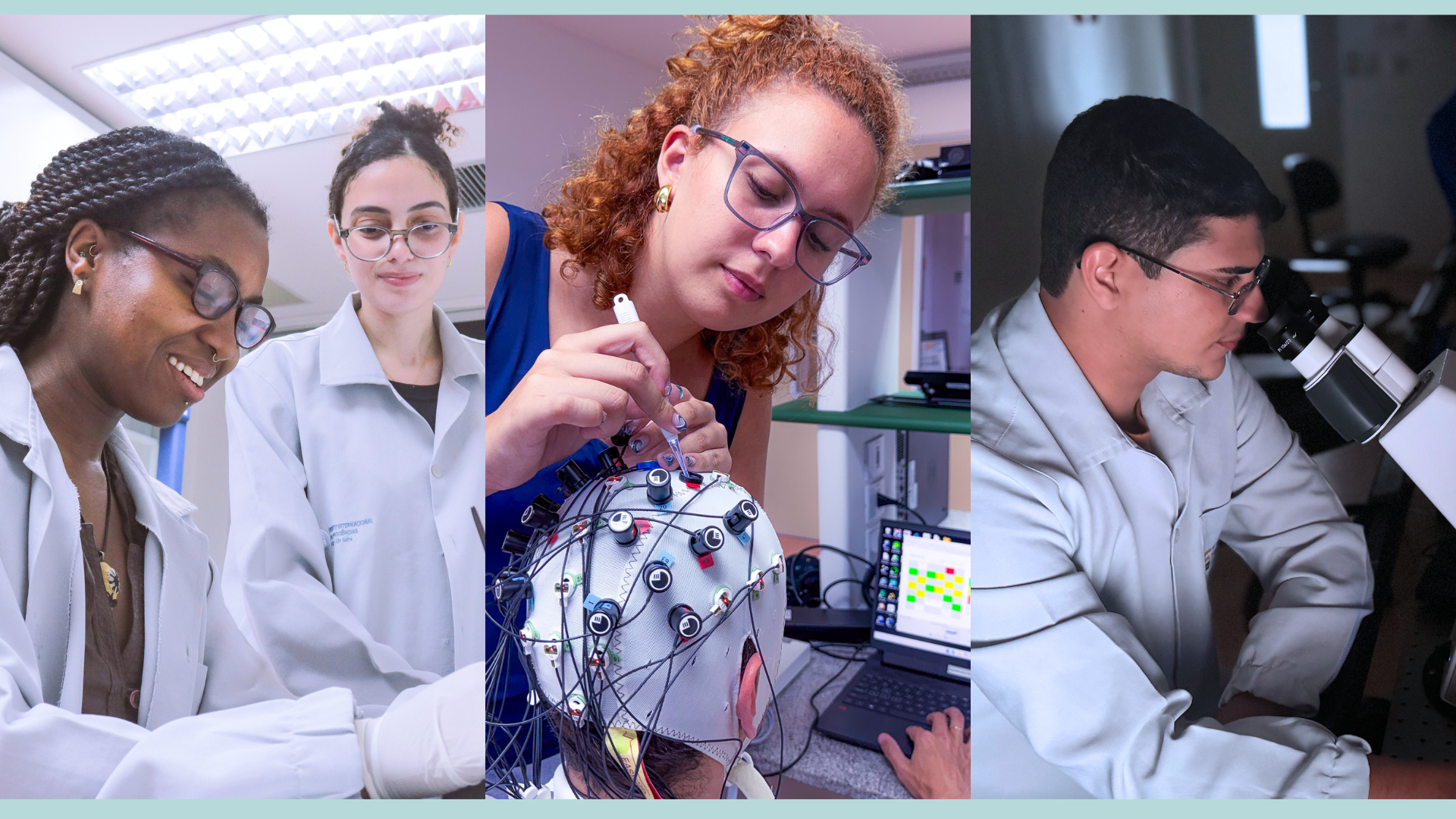
Mosaico composto por três fotografias dispostas lado a lado na vertical, registrando atividades de pesquisa científica em laboratórios. Na imagem da esquerda, duas jovens pesquisadoras usando jalecos brancos e óculos de grau trabalham juntas e sorriem em direção à bancada. A mulher em primeiro plano é negra, possui cabelos trançados e piercing no nariz, enquanto a colega ao fundo é de pele clara e tem o cabelo cacheado preso no topo da cabeça. Na imagem do centro, uma pesquisadora de pele clara, cabelos cacheados ruivos e óculos de grau, vestindo uma blusa azul, utiliza uma pequena ferramenta para aplicar gel ou ajustar os eletrodos de uma touca de eletroencefalograma (EEG) posicionada na cabeça de um homem. À direita, nesta foto central, um computador portátil exibe uma interface com quadrados coloridos. Na imagem da direita, um jovem pesquisador de cabelos curtos escuros, óculos e jaleco branco aparece inclinado de perfil enquanto observa com atenção através das oculares de um microscópio.
Posted in July 22, 2026

From the study of memory to the production of technologies aimed at rehabilitation, the brain is central to the work of the Santos Dumont Institute (ISD). Considered the "command center" of human beings, the brain is especially remembered on July 22nd, a date that reinforces the global commitment to the advancement of neuroscience and the importance of supporting initiatives that seek to unravel the organ's mysteries.

At ISD, research conducted within the Postgraduate Program in Neuroengineering (PPGN) brings together interdisciplinary and multi-professional teams with diverse objectives related to investigating brain function, whether in basic or applied research. 

Through the development of assistive technologies, the application of brain-computer interfaces in rehabilitation, and the analysis of aspects such as learning and cognition using animal models, the Institute contributes to strengthening, at both national and international levels, the basis and application of solutions to global challenges. These strategies help consolidate science as an engine of transformation and human development. 

Discover some of the research conducted at ISD that strengthens the study of the brain.

Even without voluntary movement, people with complete spinal cord injuries are able to activate and exercise brain areas responsible for walking. This is the subject of a study that combined robotics and neurofeedback, highlighting the brain's ability to reorganize its motor rhythms when properly stimulated. The results reinforce the potential of neuroplasticity and open doors for the exploration of more efficient treatments.

The article derived from the research is authored by Ericka Serafini, Cristian Guerrero-Mendez, Douglas Dunga, Teodiano Bastos-Filho, Anibal Atencio, and the ISD professor-researchers André de Azevedo Dantas, Caroline do Espírito Santo, and Denis Delisle-Rodriguez (study supervisor). Published in IEEE Transactions on Human-Machine Systems, it can be accessed at [link to IEEE Transactions on Human-Machine Systems]. https://doi.org/10.1109/THMS.2025.3603548.

Check out the article about the research: click here
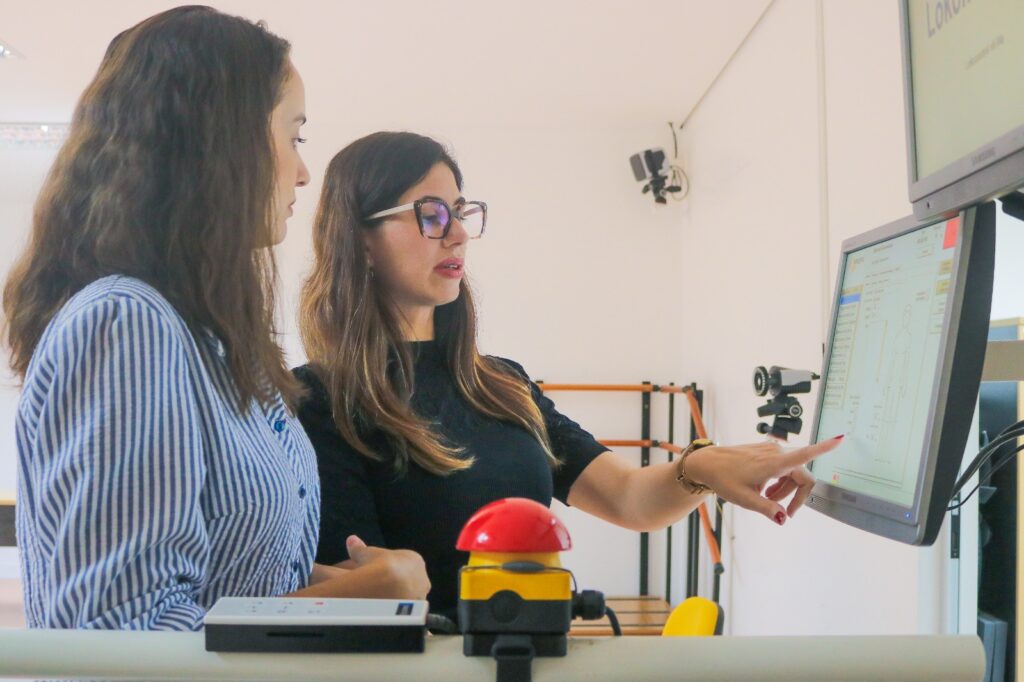
 

Fotografia de duas mulheres em um ambiente iluminado analisando dados juntas. A mulher à esquerda veste uma camisa listrada de azul e branco, enquanto a mulher à direita usa óculos de armação preta e blusa preta, apontando o dedo indicador para a tela de um monitor que exibe esquemas do corpo humano e parâmetros de controle. Em primeiro plano, destaca-se um botão de emergência vermelho e amarelo.

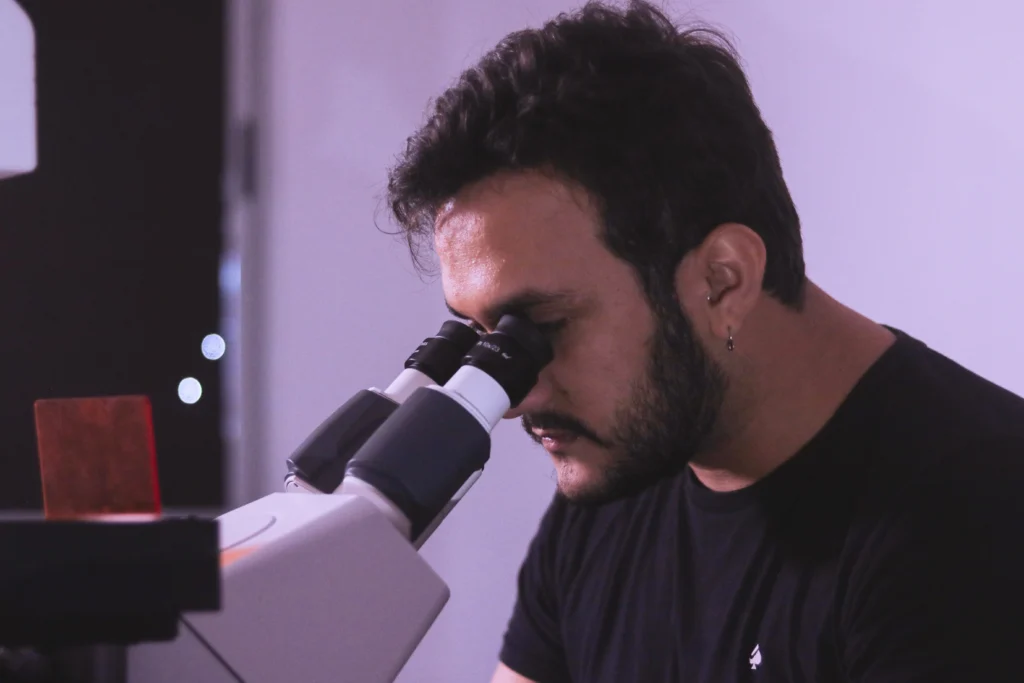
In the area of basic research, a study published in the journal Aging & Disease investigated interactions between specific brain components and cognitive decline in Alzheimer's disease. Researchers analyzed aspects such as the accumulation and location of beta-amyloid protein plaques and immune cells in the brain, identifying interactions with the progression of disease symptoms. The results reinforce the understanding of brain aging and strengthen perspectives on future treatments.

The authors of the research, which can be accessed at https://doi.org/10.14336/ad.2025.0409The authors are Wellydo Escarião, Guilherme Silva, Hellen de Castro, Sayonara Silva, Nelyane Santana, Ramón Hypolito, and Felipe Fiuza (study supervisor).
Check out the article about the research: click here

Fotografia de um jovem homem de pele clara, cabelos e barba curtos e escuros, usando camiseta preta e um brinco de argola na orelha esquerda. Ele aparece de perfil, inclinado para a frente enquanto observa através das oculares de um microscópio branco em um laboratório com iluminação suave e tom ligeiramente arroxado.

In the field of brain-computer interface (BCI) research, researchers investigated the impacts of BCI combined with serious gaming on the recovery of cognitive aspects in people with long-term COVID-19.

The results, presented at the IEEE International Conference on Human-Machine Systems (ICHMS) in Singapore, indicate improvements in attention, working memory, and executive functions after cognitive training, reinforcing brain-computer interaction and serious gaming as possible alternatives for clinical neurological rehabilitation.

The study participants include Samara Tenório, Jade Carvalho, Yuzen Hatano, Cristian Guerrero-Mendez, Mariane Lima de Souza, Tomohiko Igasaki, Teodiano Bastos-Filho, Tiago H. Falk, and the ISD research professors, André Dantas and Denis Delisle Rodriguez (study supervisor).

Check out the article about the research: click here
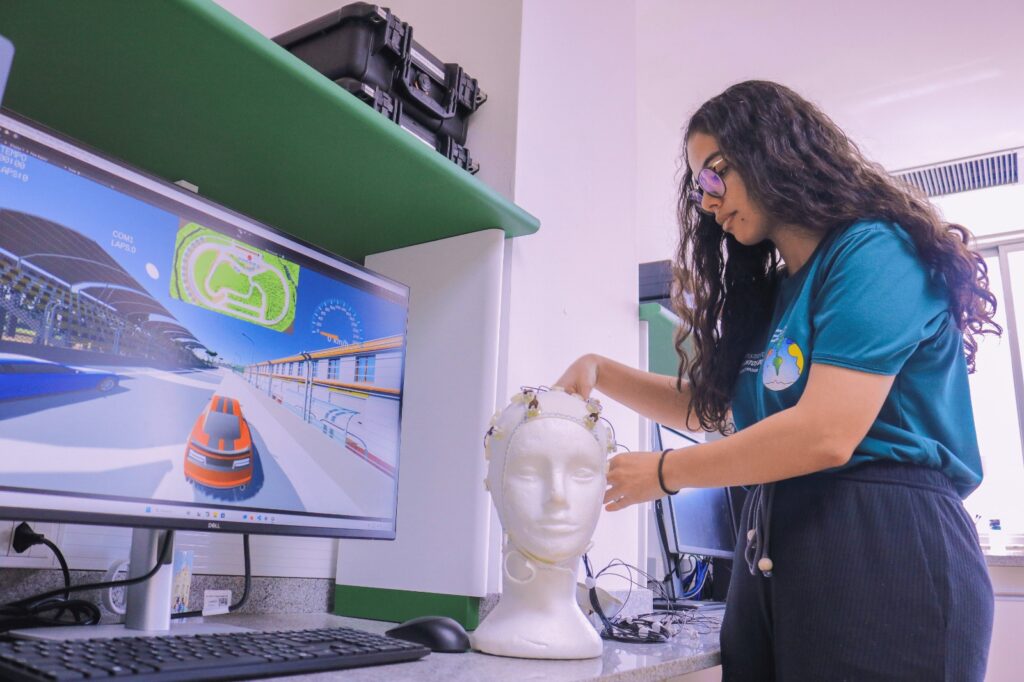
Fotografia de uma jovem pesquisadora de pele parda, cabelos escuros e ondulados, usando óculos e camiseta azul-petróleo do Instituto Santos Dumont. Ela está em pé ajustando eletrodos de uma touca de eletroencefalograma (EEG) colocada na cabeça de um manequim sobre a bancada. Ao lado, um monitor exibe a simulação de um jogo de corrida de carros.

The investigations carried out at ISD also include basic research, primarily conducted in the laboratory with the aim of consolidating scientific foundations and answering relevant questions about how the human body functions.

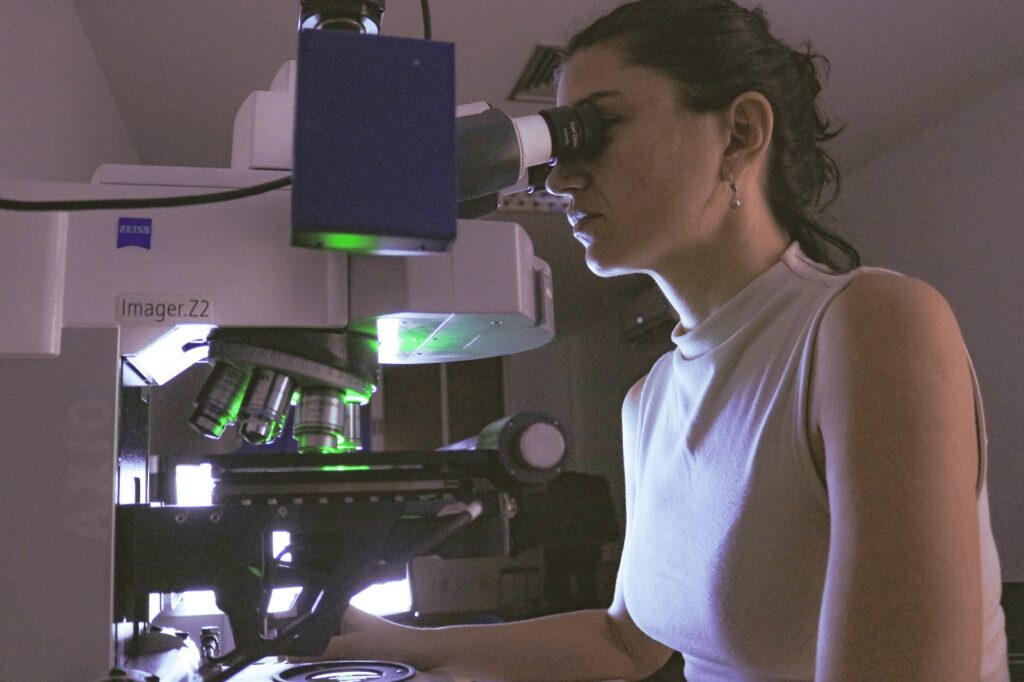
An example of this is the ISD study, developed in partnership with the Federal University of Rio Grande do Norte (UFRN), published in an article in the journal eNeuro, which identified how the Rac1 protein, important for the formation of synapses, regulates the consolidation of memories in the brain.

By temporarily inhibiting this protein in laboratory tests with animal models, researchers found that memories that previously lasted only a few days were retained for up to 28 days. This discovery reveals how the brain decides what to forget and opens avenues for treating conditions such as Alzheimer's and post-traumatic stress. Access the results at: https://doi.org/10.1523/ENEURO.0448-25.2026.
Check out the article about the research: click here

Uma mulher usando um microscópio em um laboratório. Ela está em posição lateral, com o rosto encostado na ocular do microscópio, e usa óculos e um brinco discreto. O cabelo está preso para trás em um rabo de cavalo ou coque simples. Ela veste uma blusa sem mangas de gola alta, de tecido liso e cor clara. O microscópio é grande, de bancada, com várias objetivas metálicas voltadas para baixo, iluminação interna em tom esverdeado e uma parte superior branca com a inscrição “imager Z2” e a marca “Zeiss”. Há uma caixa ou módulo retangular escuro conectado à parte superior do microscópio, possivelmente um acessório de câmera ou sistema de captura de imagem. À esquerda aparecem partes da estrutura do microscópio, com botões e rodas de ajuste visíveis.

About ISD

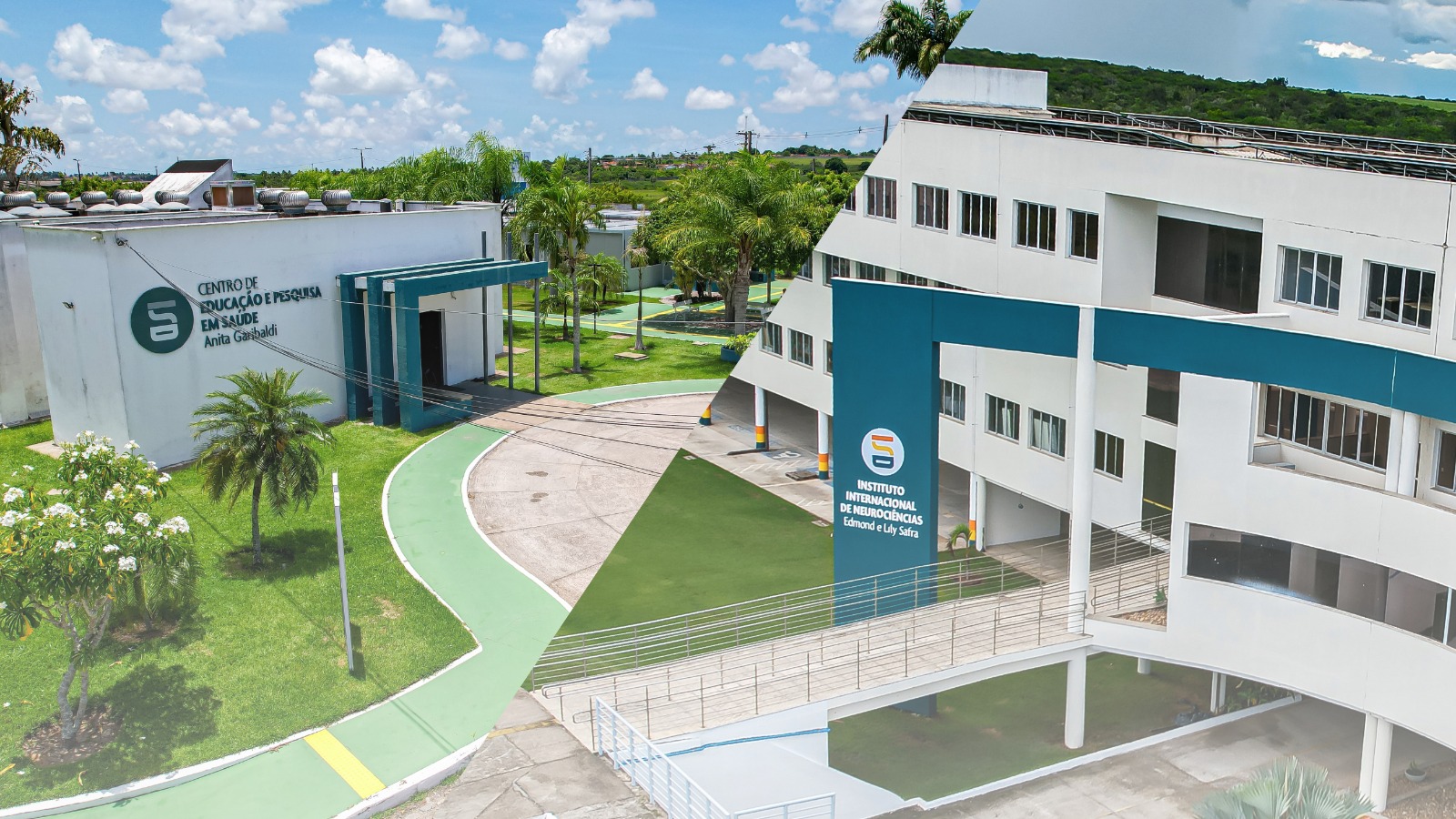
The Santos Dumont Institute (ISD) is a Social Organization of the Federal Executive Branch, supervised by the Ministry of Education, with the intervention of the Ministry of Sport. It encompasses the Edmond and Lily Safra International Institute of Neuroscience and the Anita Garibaldi Center for Education and Research in Health, both located in Macaíba. The ISD's mission is to promote education for life, forming citizens through integrated teaching, research, and outreach activities, as well as contributing to a more just and humane transformation of Brazilian social reality.
Communication Office
comunicacao@isd.org.br
(84) 99416-1880

Share this news

Recommended

More news

World Brain Day: research from the Santos Dumont Institute unveils the human "command center"

Mosaico composto por três fotografias dispostas lado a lado na vertical, registrando atividades de pesquisa científica em laboratórios. Na imagem da esquerda, duas jovens pesquisadoras usando jalecos brancos e óculos de grau trabalham juntas e sorriem em direção à bancada. A mulher em primeiro plano é negra, possui cabelos trançados e piercing no nariz, enquanto a colega ao fundo é de pele clara e tem o cabelo cacheado preso no topo da cabeça. Na imagem do centro, uma pesquisadora de pele clara, cabelos cacheados ruivos e óculos de grau, vestindo uma blusa azul, utiliza uma pequena ferramenta para aplicar gel ou ajustar os eletrodos de uma touca de eletroencefalograma (EEG) posicionada na cabeça de um homem. À direita, nesta foto central, um computador portátil exibe uma interface com quadrados coloridos. Na imagem da direita, um jovem pesquisador de cabelos curtos escuros, óculos e jaleco branco aparece inclinado de perfil enquanto observa com atenção através das oculares de um microscópio.

From the study of memory to the production of technologies aimed at rehabilitation, the brain is central to the work of the Santos Dumont Institute (ISD). Considered the "command center" of human beings, the brain is especially remembered on July 22nd, a date that reinforces the global commitment to the advancement of neuroscience and the importance of supporting initiatives that seek to unravel the organ's mysteries.

At ISD, research conducted within the Postgraduate Program in Neuroengineering (PPGN) brings together interdisciplinary and multi-professional teams with diverse objectives related to investigating brain function, whether in basic or applied research. 

Through the development of assistive technologies, the application of brain-computer interfaces in rehabilitation, and the analysis of aspects such as learning and cognition using animal models, the Institute contributes to strengthening, at both national and international levels, the basis and application of solutions to global challenges. These strategies help consolidate science as an engine of transformation and human development. 

Discover some of the research conducted at ISD that strengthens the study of the brain.

Even without voluntary movement, people with complete spinal cord injuries are able to activate and exercise brain areas responsible for walking. This is the subject of a study that combined robotics and neurofeedback, highlighting the brain's ability to reorganize its motor rhythms when properly stimulated. The results reinforce the potential of neuroplasticity and open doors for the exploration of more efficient treatments.

The article derived from the research is authored by Ericka Serafini, Cristian Guerrero-Mendez, Douglas Dunga, Teodiano Bastos-Filho, Anibal Atencio, and the ISD professor-researchers André de Azevedo Dantas, Caroline do Espírito Santo, and Denis Delisle-Rodriguez (study supervisor). Published in IEEE Transactions on Human-Machine Systems, it can be accessed at [link to IEEE Transactions on Human-Machine Systems]. https://doi.org/10.1109/THMS.2025.3603548.

Check out the article about the research: click here


Fotografia de duas mulheres em um ambiente iluminado analisando dados juntas. A mulher à esquerda veste uma camisa listrada de azul e branco, enquanto a mulher à direita usa óculos de armação preta e blusa preta, apontando o dedo indicador para a tela de um monitor que exibe esquemas do corpo humano e parâmetros de controle. Em primeiro plano, destaca-se um botão de emergência vermelho e amarelo.

In the area of basic research, a study published in the journal Aging & Disease investigated interactions between specific brain components and cognitive decline in Alzheimer's disease. Researchers analyzed aspects such as the accumulation and location of beta-amyloid protein plaques and immune cells in the brain, identifying interactions with the progression of disease symptoms. The results reinforce the understanding of brain aging and strengthen perspectives on future treatments.

The authors of the research, which can be accessed at https://doi.org/10.14336/ad.2025.0409The authors are Wellydo Escarião, Guilherme Silva, Hellen de Castro, Sayonara Silva, Nelyane Santana, Ramón Hypolito, and Felipe Fiuza (study supervisor).

Check out the article about the research: click here

Fotografia de um jovem homem de pele clara, cabelos e barba curtos e escuros, usando camiseta preta e um brinco de argola na orelha esquerda. Ele aparece de perfil, inclinado para a frente enquanto observa através das oculares de um microscópio branco em um laboratório com iluminação suave e tom ligeiramente arroxado.

In the field of brain-computer interface (BCI) research, researchers investigated the impacts of BCI combined with serious gaming on the recovery of cognitive aspects in people with long-term COVID-19.

The results, presented at the IEEE International Conference on Human-Machine Systems (ICHMS) in Singapore, indicate improvements in attention, working memory, and executive functions after cognitive training, reinforcing brain-computer interaction and serious gaming as possible alternatives for clinical neurological rehabilitation.

The study participants include Samara Tenório, Jade Carvalho, Yuzen Hatano, Cristian Guerrero-Mendez, Mariane Lima de Souza, Tomohiko Igasaki, Teodiano Bastos-Filho, Tiago H. Falk, and the ISD research professors, André Dantas and Denis Delisle Rodriguez (study supervisor).

Check out the article about the research: click here

Fotografia de uma jovem pesquisadora de pele parda, cabelos escuros e ondulados, usando óculos e camiseta azul-petróleo do Instituto Santos Dumont. Ela está em pé ajustando eletrodos de uma touca de eletroencefalograma (EEG) colocada na cabeça de um manequim sobre a bancada. Ao lado, um monitor exibe a simulação de um jogo de corrida de carros.

The investigations carried out at ISD also include basic research, primarily conducted in the laboratory with the aim of consolidating scientific foundations and answering relevant questions about how the human body functions.

An example of this is the ISD study, developed in partnership with the Federal University of Rio Grande do Norte (UFRN), published in an article in the journal eNeuro, which identified how the Rac1 protein, important for the formation of synapses, regulates the consolidation of memories in the brain.

By temporarily inhibiting this protein in laboratory tests with animal models, researchers found that memories that previously lasted only a few days were retained for up to 28 days. This discovery reveals how the brain decides what to forget and opens avenues for treating conditions such as Alzheimer's and post-traumatic stress. Access the results at: https://doi.org/10.1523/ENEURO.0448-25.2026.

Check out the article about the research: click here

Uma mulher usando um microscópio em um laboratório. Ela está em posição lateral, com o rosto encostado na ocular do microscópio, e usa óculos e um brinco discreto. O cabelo está preso para trás em um rabo de cavalo ou coque simples. Ela veste uma blusa sem mangas de gola alta, de tecido liso e cor clara. O microscópio é grande, de bancada, com várias objetivas metálicas voltadas para baixo, iluminação interna em tom esverdeado e uma parte superior branca com a inscrição “imager Z2” e a marca “Zeiss”. Há uma caixa ou módulo retangular escuro conectado à parte superior do microscópio, possivelmente um acessório de câmera ou sistema de captura de imagem. À esquerda aparecem partes da estrutura do microscópio, com botões e rodas de ajuste visíveis.

About ISD

The Santos Dumont Institute (ISD) is a Social Organization of the Federal Executive Branch, supervised by the Ministry of Education, with the intervention of the Ministry of Sport. It encompasses the Edmond and Lily Safra International Institute of Neuroscience and the Anita Garibaldi Center for Education and Research in Health, both located in Macaíba. The ISD's mission is to promote education for life, forming citizens through integrated teaching, research, and outreach activities, as well as contributing to a more just and humane transformation of Brazilian social reality.
Communication Office
comunicacao@isd.org.br
(84) 99416-1880

Share this news