

When discussing hearing rehabilitation, it's common to first think about the ability to hear better. However, the effects of hearing loss can extend beyond sound perception and interfere with various aspects of daily life, such as communication, autonomy, daily activities, and social participation.
From this perspective, a study developed by speech therapist Melissa Santos, a graduate of the Multiprofessional Residency Program in Healthcare for People with Disabilities at the Santos Dumont Institute (ISD), evaluated the impacts of rehabilitation on the functionality of people with hearing loss.
Published in brief communication format on scientific journal CoDASPublished in the journal specializing in the field of Speech-Language Pathology, the study compared participants' perceptions before and after one year of using hearing aids. Beyond verifying changes related to hearing, the study sought to understand how the intervention might impact the individual's life.
To assess these aspects, the study used the WHODAS 2.0, an instrument developed by the World Health Organization (WHO) to evaluate functionality and disability in different health conditions. The tool allows observation of the individual's own perception of difficulties faced in areas such as cognition, mobility, self-care, interpersonal relationships, activities of daily living, and social participation.
“This instrument is widely used in research with adults at the Institute. With it, it is possible to keep the rehabilitation process focused on the individual and their family, ensuring an understanding of how their disability is impacting various aspects of their life and what can be done in their context, guaranteeing individualized care and treatment,” explains Melissa.
The use of this type of instrument broadens the perspective on the therapeutic process. Instead of considering only what can be observed clinically, the assessment also incorporates the person's own experience.
Hearing loss: beyond the ability to hear
Hearing plays a fundamental role in communication; it is directly related to interactions with the environment. Therefore, hearing loss can have repercussions that extend beyond the ability to hear.
Difficulties following conversations, participating in group activities, performing certain tasks, or maintaining one's own autonomy—all these experiences, considered basic, can be directly affected. However, these effects can vary according to each individual's reality, needs, and context.
The study
One of the study's contributions lies precisely in valuing the individual's own perception. When a user is able to describe how a particular condition interferes with their routine, it becomes possible to better understand their main difficulties and which aspects should be considered during rehabilitation planning.
The work was supervised by the speech-language pathologist preceptor at ISD, Gizele Nascimento, and authored by the speech-language pathologist preceptor, Rogéria Dias, and physiotherapist preceptor, Jade Padilha. For the author, Melissa, the publication also represents an important step in her academic and professional trajectory, built throughout her training at ISD.
“It is very important to publicize our work and the actions carried out at the Institute, because this enriches discussions about the health of people with disabilities within the scope of the SUS (Brazilian Public Health System). I believe that all the support and guidance I received at the ISD was fundamental to my evolution as a researcher and scientist,” she says.
By investigating the effects of rehabilitation, the study contributes to broadening the discussion about the expected outcomes of a therapeutic process: more than a rehabilitation process, it is essential to understand how care can contribute to enabling the person to carry out their activities, maintain their autonomy, and participate in life in society.
About ISD
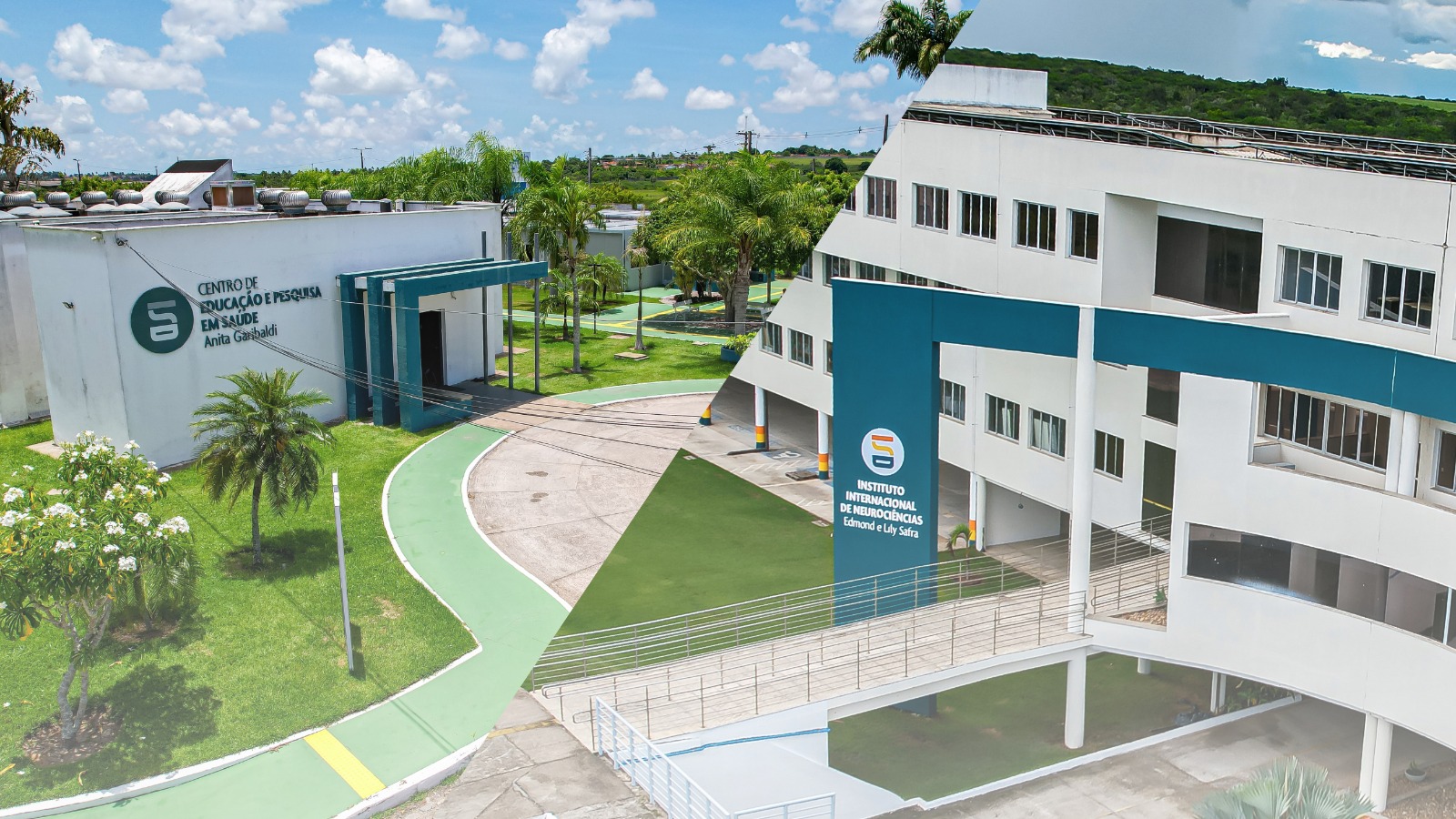
The Santos Dumont Institute (ISD) is a Social Organization of the Federal Executive Branch, supervised by the Ministry of Education, with the intervention of the Ministry of Sport. It encompasses the Edmond and Lily Safra International Institute of Neuroscience and the Anita Garibaldi Center for Education and Research in Health, both located in Macaíba. The ISD's mission is to promote education for life, forming citizens through integrated teaching, research, and outreach activities, as well as contributing to a more just and humane transformation of Brazilian social reality.