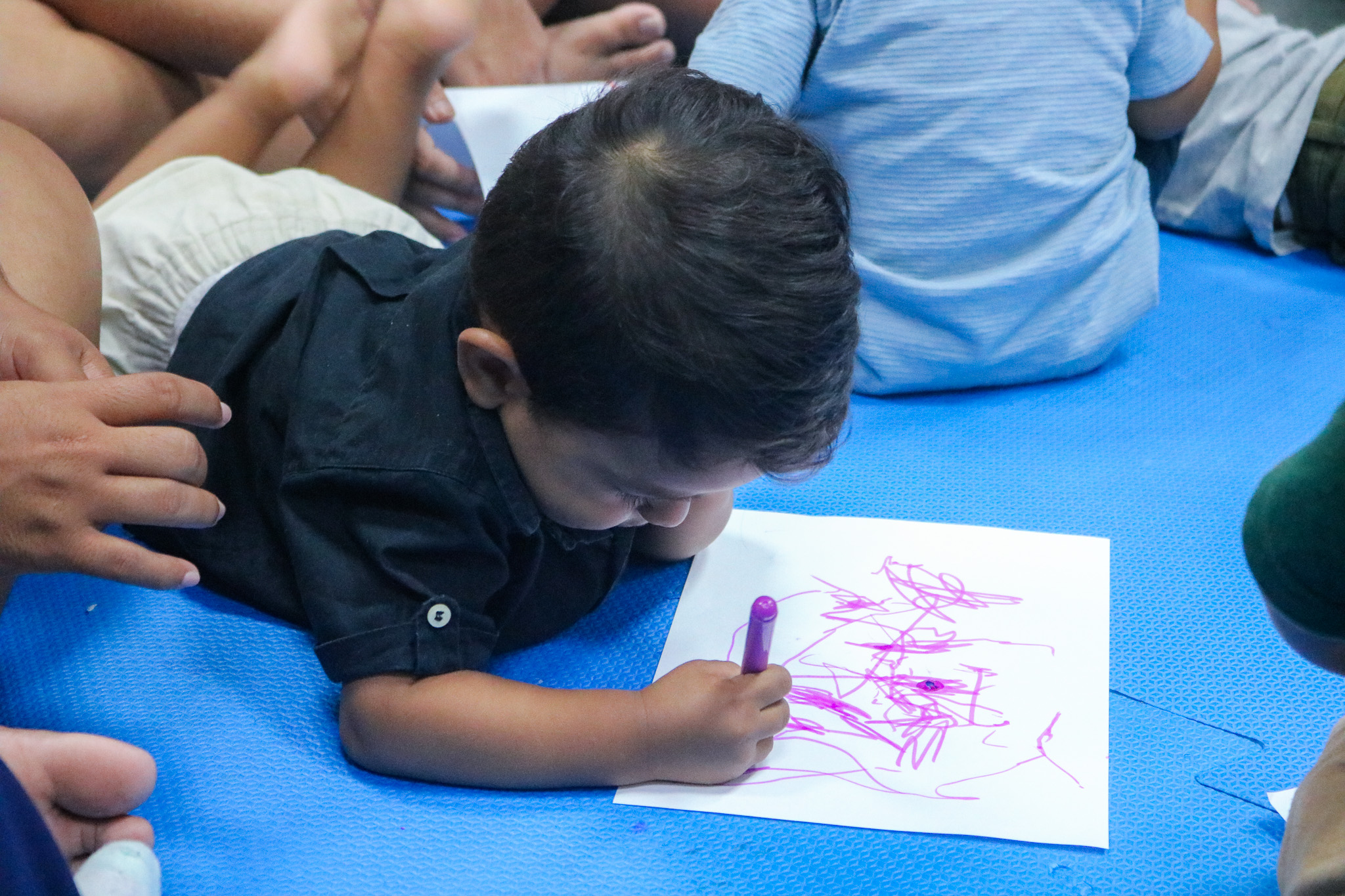


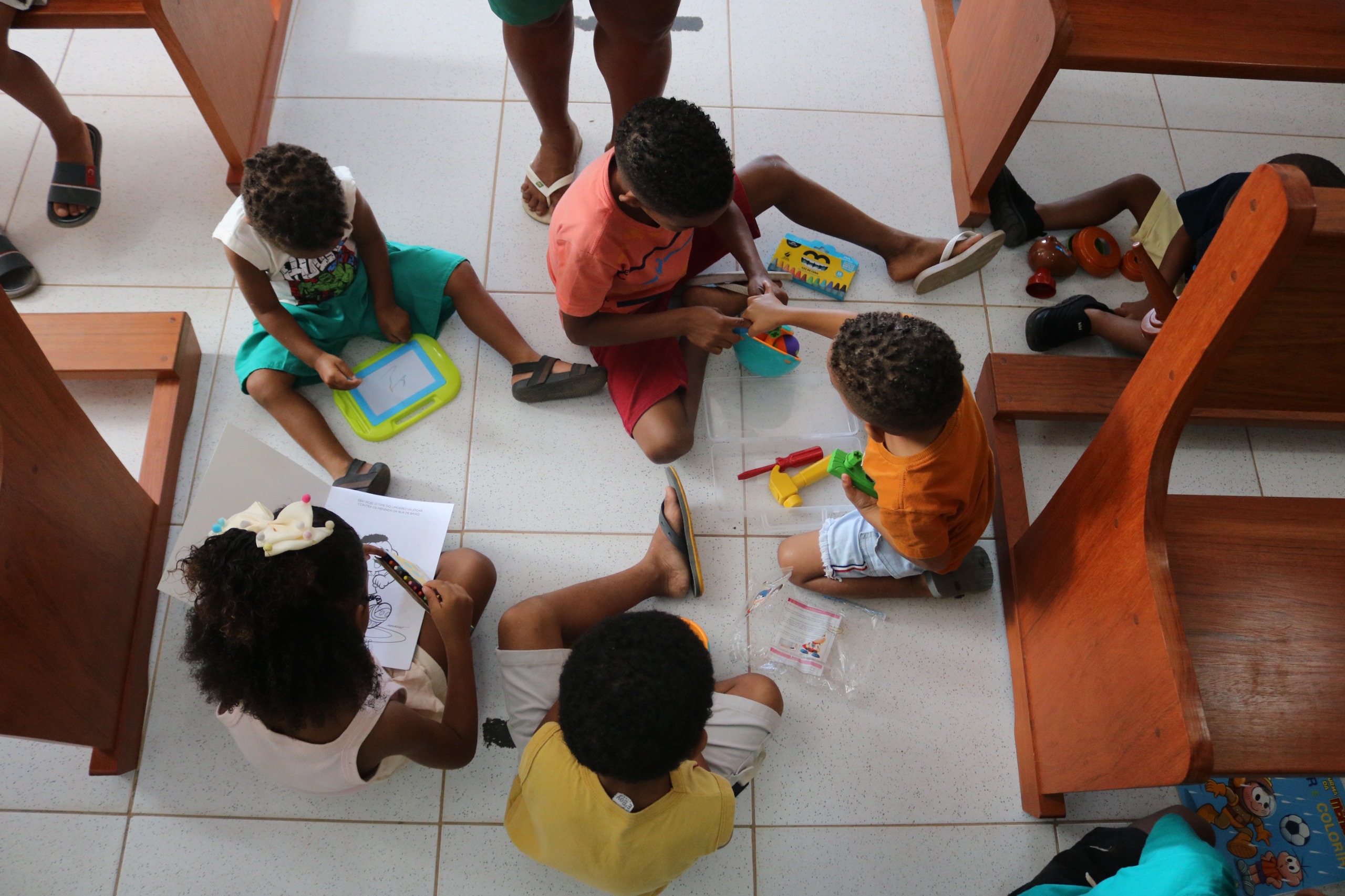
The school holiday period causes children to spend more time away from home, in family activities that include visits to beaches, parks and other outdoor locations. This change in dynamics, coupled with more constant interaction with other children, coincides with a time of year when cases of seasonal illnesses increase, especially gastrointestinal or respiratory infections, such as the flu.
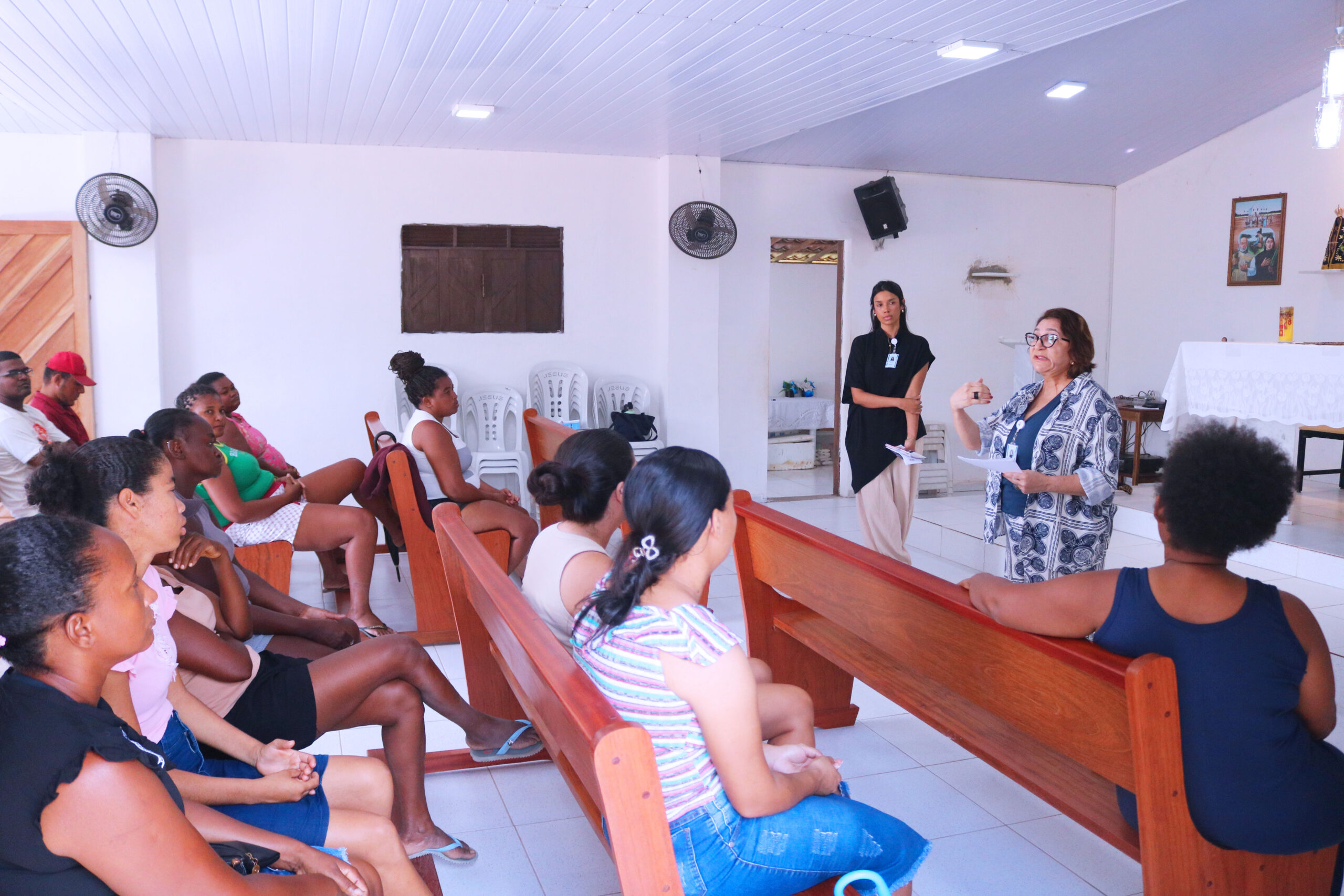
Manoella Alves, an infectious disease preceptor at the Santos Dumont Institute (ISD), clarifies the occurrence of these diseases during this period. “Diseases can have a seasonal pattern, meaning some increase in cases during certain times of the year and disappear at other times. This fluctuation has a lot to do with the changing seasons, which are characterized by changes in temperature, humidity, and other environmental factors that we often don't notice,” she explains.
Why do children get sick so often?
In the early years of life, the immune system is still developing, and when exposed to viruses, children get sick more often. Each new infection helps build an immune memory, but until that happens, they are more susceptible to infections.
In daycare centers and schools, children share toys and objects and maintain close contact with each other, favoring the transmission of respiratory and gastrointestinal viruses. According to the Brazilian Society of Pediatrics (SBP), it is common for children under five years old to have five to eight viral episodes per year. To avoid possible complications, the infectious disease preceptor at ISD encourages vaccination and the reinforcement of hygiene habits.
“Vaccination is an important form of prevention. That's why vaccination campaigns for influenza and Covid-19 take place at the beginning of this period. In addition, hand hygiene, whether with soap and water or with alcohol-based hand sanitizer, is a very important measure to avoid infections in general,” advises the infectious disease specialist.
There are many viruses that can cause colds, gastroenteritis, and other infections. Having had one viral infection generally does not protect against others, and even similar viruses can cause reinfection.
Warning signs and how to avoid them.
Most childhood infections improve within a few days without requiring intervention from healthcare teams. However, some signs may indicate that the child needs professional evaluation and follow-up.
"Symptoms such as shortness of breath, drowsiness, and/or difficulty hydrating, whether due to nausea or repeated vomiting, deserve attention," warns the ISD specialist.
Although it's not possible to prevent all viral infections, some measures significantly reduce the risk of infection. These include keeping vaccination records up-to-date, adopting good hygiene habits, maintaining a balanced diet, and establishing a routine even during vacations. These habits contribute to promoting children's health during school breaks.
About ISD
The Santos Dumont Institute (ISD) is a Social Organization of the Federal Executive Branch, supervised by the Ministry of Education, with the intervention of the Ministry of Sport. It encompasses the Edmond and Lily Safra International Institute of Neuroscience and the Anita Garibaldi Center for Education and Research in Health, both located in Macaíba. The ISD's mission is to promote education for life, forming citizens through integrated teaching, research, and outreach activities, as well as contributing to a more just and humane transformation of Brazilian social reality.