


The Santos Dumont Institute (ISD) released this Monday (26) the notice of the selection process for the master's degree in Neuroengineering, for entry in the second semester of 2025. People with a degree in the areas of Health, Engineering or Biology can apply. The full notice is available on the ISD website, under the tabs “Education” > “Postgraduate in Neuroengineering”.
There will be 11 vacancies offered, distributed as follows: one vacancy reserved for UFRN professors and staff; two vacancies reserved for graduates of the Multiprofessional Residency in Health Care for People with Disabilities at ISD; 20% of the vacancies reserved for candidates who self-declare as black, brown, indigenous and quilombola; and 20% of the vacancies reserved for people with disabilities.
Registration is free and must be completed by June 22nd. The selection process consists of two stages. The first, of an eliminatory nature, consists of the documentary analysis of the letter of intent, letter of recommendation, Lattes CV and an assessment of the candidate's suitability for the chosen project, where each item has a scoring weight, as set out in the notice. The second, of an eliminatory and classificatory nature, consists of an interview with those selected in the first stage.
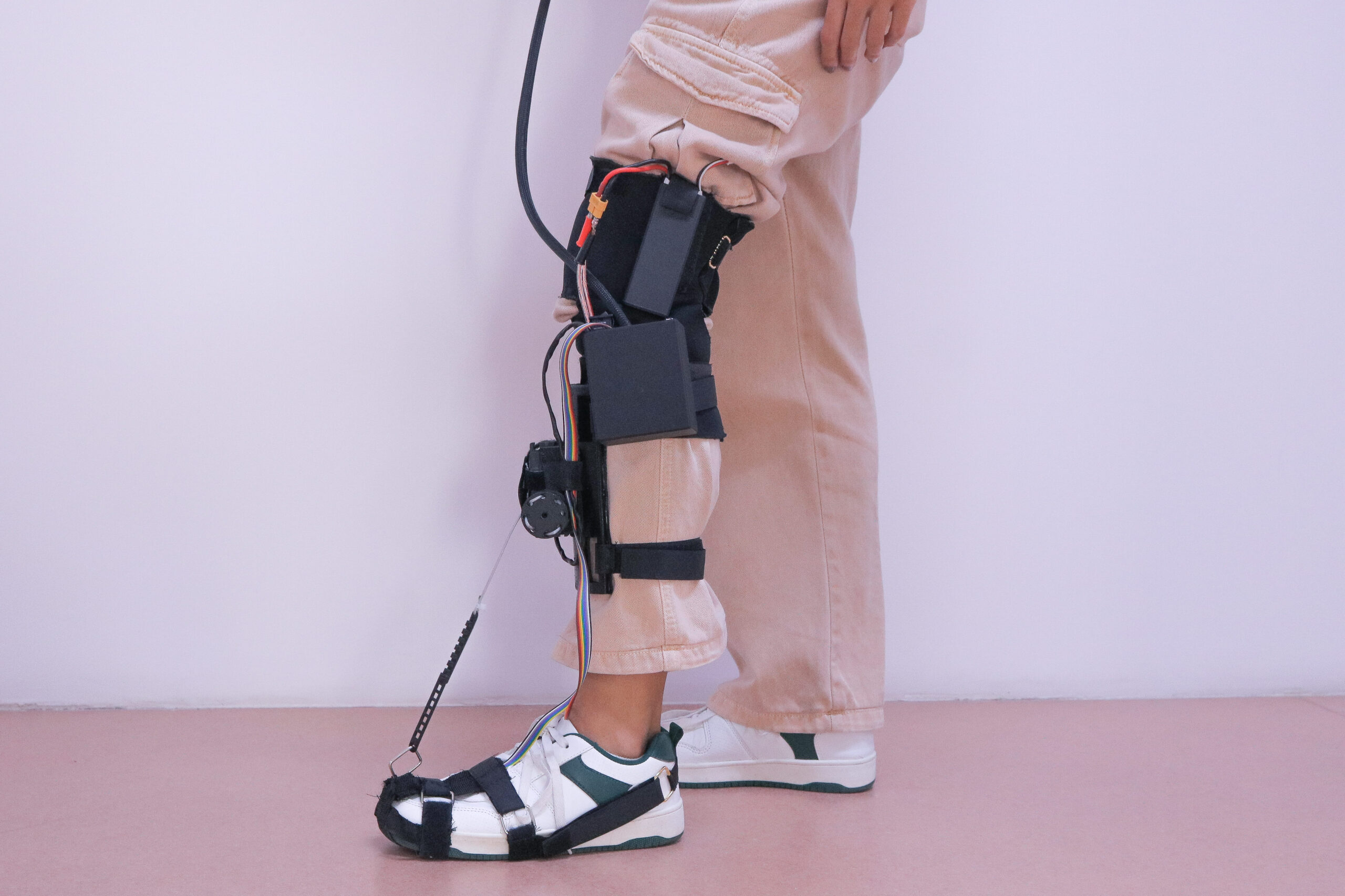
Interested parties must indicate, at the time of registration, which of the projects they wish to participate in. There are 11 projects, in areas such as Motor Rehabilitation, Artificial Intelligence, Clinical Research, Computer Systems, Brain-Computer Interface and others, detailed in the notice.
the master's
Created in 2013, the Master's program in Neuroengineering at ISD is the first and only one in the country recognized by the Ministry of Education (MEC) in this area of knowledge. It aims to train highly qualified professionals, able to act with a global and interdisciplinary look in the development of scientific research and products in the field of Neuroengineering.
About ISD
The Santos Dumont Institute (ISD) is a Social Organization linked to the Ministry of Education (MEC) and includes the Edmond and Lily Safra International Neuroscience Institute and the Anita Garibaldi Center for Health Education and Research, both in Macaíba. ISD's mission is to promote education for life, forming citizens through integrated teaching, research and extension actions, in addition to contributing to a fairer and more humane transformation of Brazilian social reality.