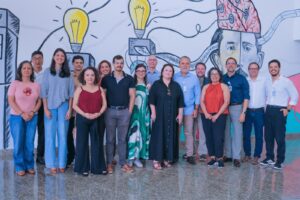


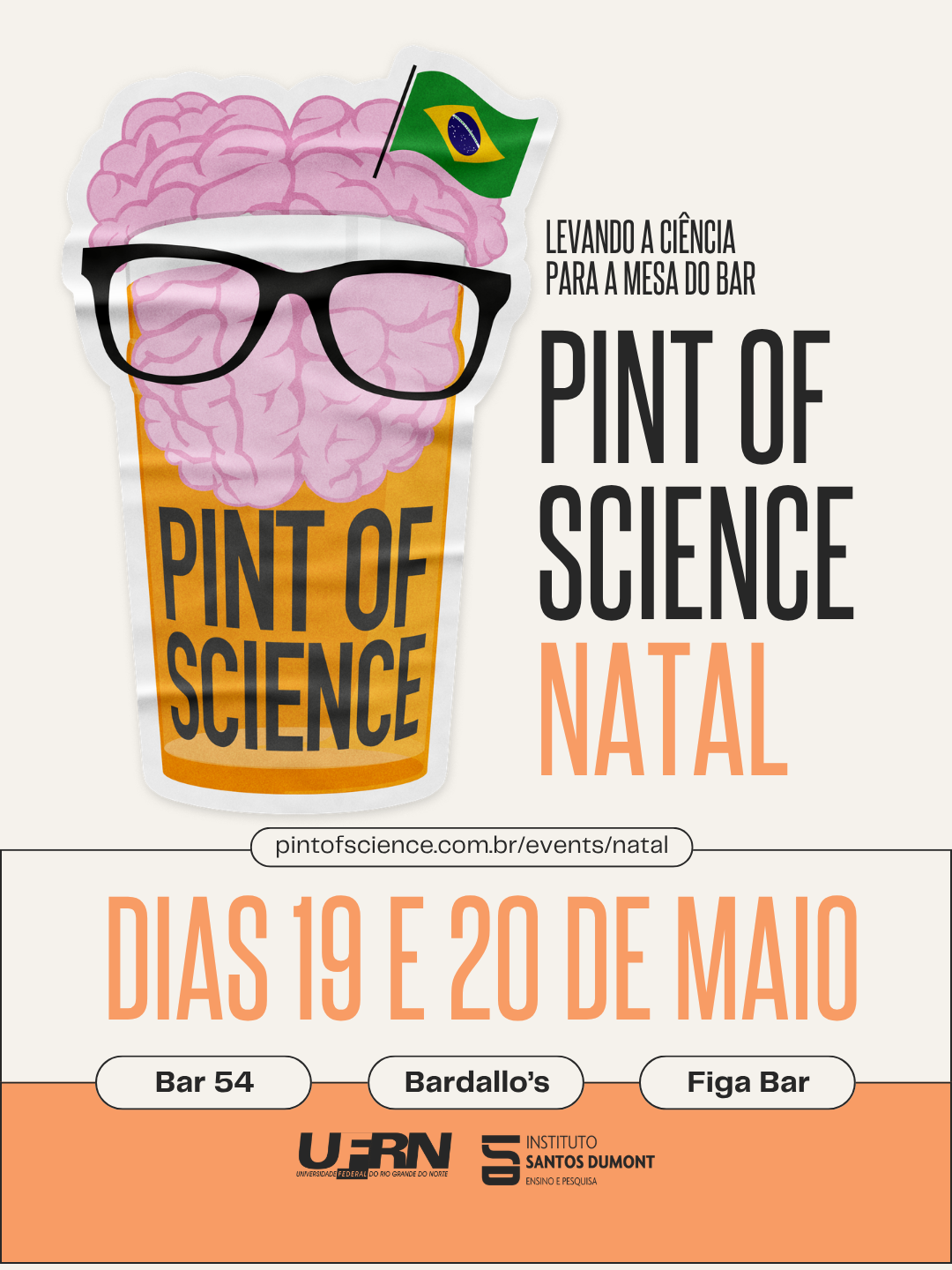
The Santos Dumont Institute (ISD), in partnership with the Federal University of Rio Grande do Norte (UFRN), is promoting the Pint of Science festival, considered the largest science outreach event in the world. Free and open to the public, the festival takes place on May 19th and 20th in three bars and restaurants in Natal.
Organized by researchers, professors, and students from the institutions, the event seeks to bring academic production closer to the population through meetings held in bars and restaurants in the city, with informal and accessible discussions on different areas of knowledge.
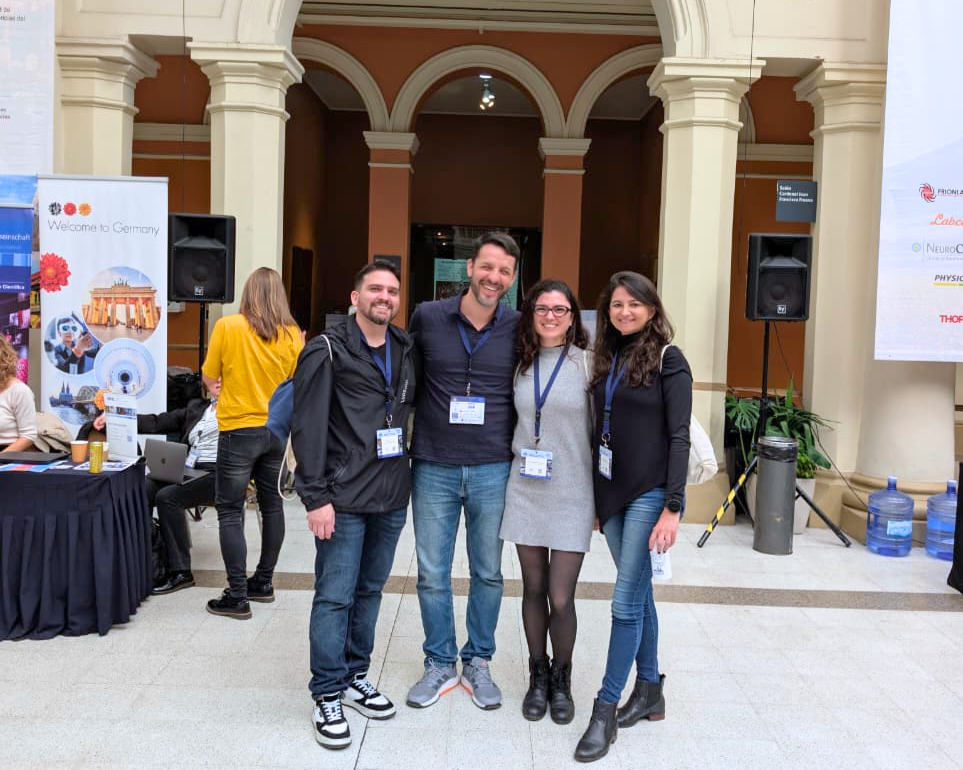
In Rio Grande do Norte, 12 specialists will participate in the discussion panels, addressing topics related to culture, science, health, and inclusion. The participating establishments in Natal for this edition are Bar 54 and Figa Bar, in Ponta Negra, and Bardallo's. Food & Art, in the Upper City.
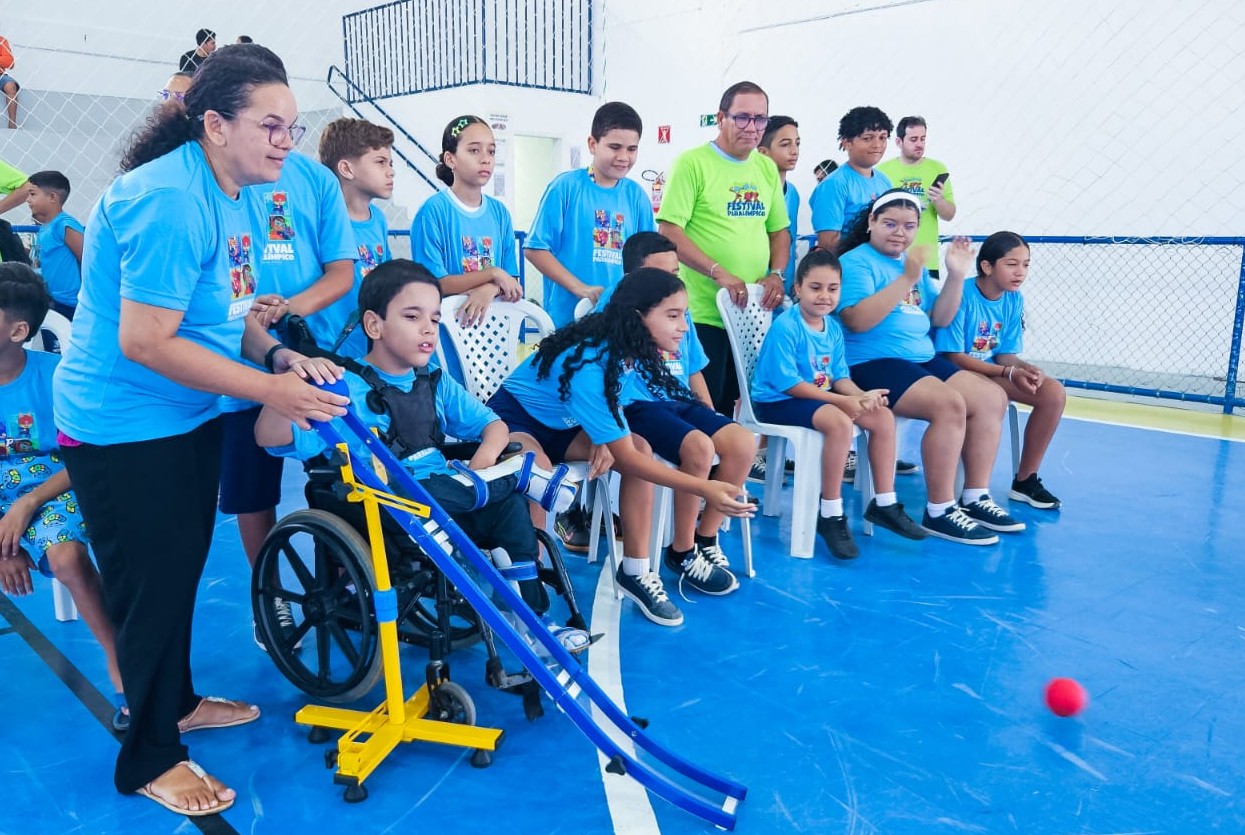
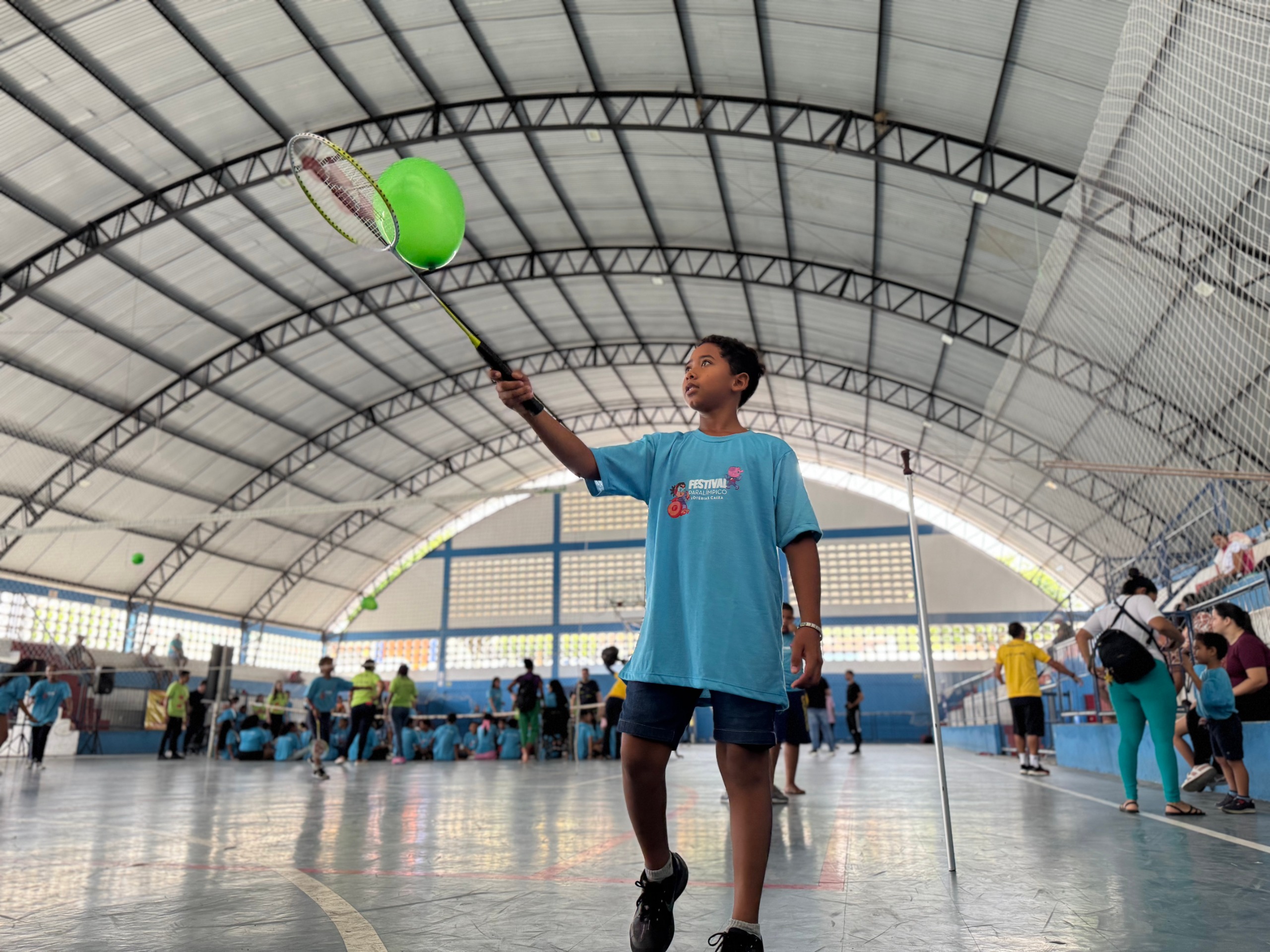
Participating in the program, representing ISD, are physiotherapy preceptors Camila Simão and Fabíola França, and paracyclist and Institute user Luciana Guedes, who will lead the dialogue on the theme "Para-sports: sport as a tool for inclusion".
For Fabíola França, professor and researcher at ISD, events like Pint of Science are fundamental to strengthening scientific culture and expanding access to knowledge. “It’s about bringing science closer to society, addressing topics that still need more space in people’s daily lives. The greatest impact is precisely this real exchange and the democratization of knowledge,” emphasizes one of the festival’s coordinators.
In 2026, Pint of Science will include the participation of 213 Brazilian cities, 37 of which are located in the Northeast region. The festival is free and does not require prior registration.
Schedule
On Tuesday (19), Bar 54, in Ponta Negra, will host the theme “Alecrim: perfume of memory in the history of Natal”. The program will bring together researchers and specialists to discuss historical, cultural and urban aspects of the traditional Natal neighborhood.
On Wednesday (20), in Bardallo's Food & Art, in Cidade Alta, the The debate will focus on the theme "Paralympic Sport: Sport as a Tool for Inclusion." Participants include ISD physiotherapy preceptors Camila Simão and Fabíola França, and Luciana Guedes, a paracyclist and ISD user, and examiner of people with disabilities at the Rio Grande do Norte State Department of Transportation (DETRAN-RN).
Also on Wednesday (20), Figa Bar, in Vila de Ponta Negra, will host discussions on the consumption and regulation of Farmácia Viva, with the presence of researchers from UFRN and professionals from the State Secretariat of Public Health (Sesap).
On the same day, Bar 54 will host discussions on the production, consumption, and disposal of waste, with the participation of researchers from UFRN and representatives of the RN Zero Waste movement.
The event
Created in England in 2012, the festival arrived in Brazil in 2015 and, since then, has been expanding its presence and gaining increasing prominence in the country. Currently, Pint of Science is held annually in more than 25 countries and in several Brazilian cities.
The festival is open to the public and does not require prior registration or confirmation. The discussion panels will take place simultaneously in the participating bars, always starting at 7 pm. The complete program, as well as descriptions of the guests, can be found on the official ISD Instagram profile: @isdnarede, or via the link below:
Service
- EventPint of Science 2026.
- WhenMay 19th and 20th, starting at 7 PM.
- Where: Bar 54 (19 and 20/05); Figa (20/05); Bardallo's (20/05).
- Prohibited: Free.
About ISD
The Santos Dumont Institute (ISD) is a Social Organization of the Federal Executive Branch, supervised by the Ministry of Education, with the intervention of the Ministry of Sport. It encompasses the Edmond and Lily Safra International Institute of Neuroscience and the Anita Garibaldi Center for Education and Research in Health, both located in Macaíba. The ISD's mission is to promote education for life, forming citizens through integrated teaching, research, and outreach activities, as well as contributing to a more just and humane transformation of Brazilian social reality.