
Training conducted at ISD equips healthcare professionals in Rio Grande do Norte to meet the new needs of children affected by the Zika virus.

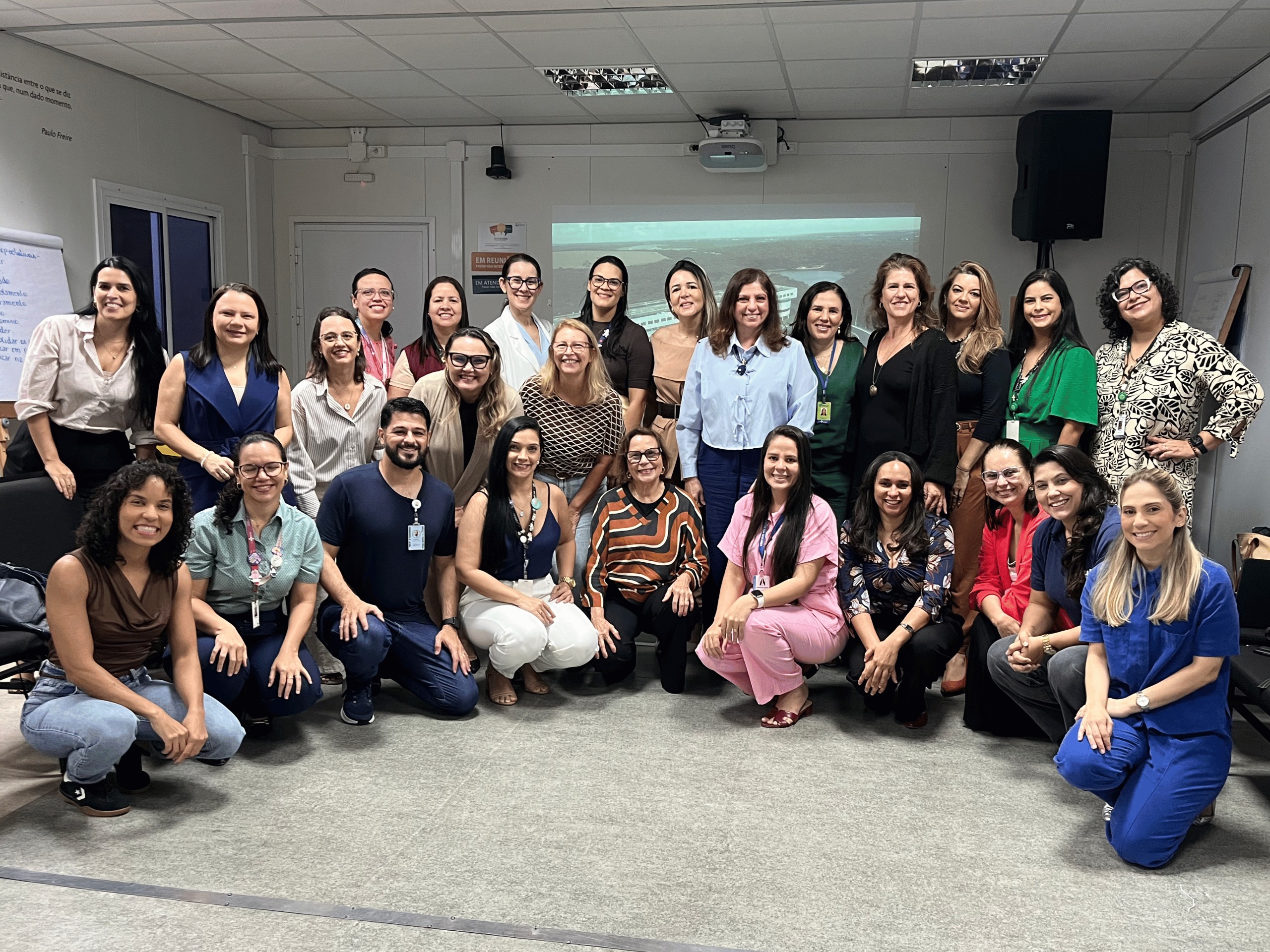
Fotografia em grupo reunindo vinte e quatro profissionais de saúde da atenção básica do Rio Grande do Norte ao final de uma oficina de capacitação. Os participantes aparecem sorridentes dispostos em duas fileiras, uma parte em pé ao fundo e outra ajoelhada ou agachada à frente. O grupo veste roupas casuais e trajes de trabalho em tons variados, posando no centro de uma sala de reuniões com projetor e tela ao fundo. Foto: Ascom ISD.
Posted in September 8, 2026

More than ten years after the Zika epidemic, families of children born with the virus syndrome now face new challenges, with the arrival of pre-adolescence and puberty in these children. Considering the new demands of this public, the Ministry of Health and the Oswaldo Cruz Foundation (Fiocruz) promoted, last Wednesday (2), a training and updating workshop for primary care health professionals in Rio Grande do Norte, held at the Santos Dumont Institute (ISD), in Macaíba.
The activity constituted the fourth cycle of the workshop “Strengthening the Care Pathway for Children with Congenital Zika Virus Syndrome,” which began in 2025 in ten Brazilian states listed as priorities. Conducted by representatives from the Ministry of Health and Fiocruz, the initiative seeks to provide theoretical and practical updates to professionals linked to Primary Health Care (PHC) and the State Secretariat of Public Health of Rio Grande do Norte (Sesap/RN).

One of the professionals who led the initiative was Lérida Serrano, technical advisor to the General Coordination of Healthcare for Children, Adolescents and Young People at the Ministry of Health. According to the Ministry representative, the initiative arose from a demand from parents, guardians, and tutors of children born with Congenital Zika Virus Syndrome and microcephaly, who are currently experiencing new daily challenges and need to have their needs met.

For Lérida, integrating the workshop initiative with specialized services, such as the Specialized Rehabilitation Centers (CER) of the ISD, is fundamental to improving care and providing a greater perspective on quality of life for children with Zika Virus and their families. 

“At the federal level, we have been supporting the states so that this work can take place within the units, both in primary health care and in specialized units. We have been strengthening institutions, such as ISD, which come to add this knowledge in partnership with the State and with primary health care, for professional qualification and rehabilitation,” says Lérida.

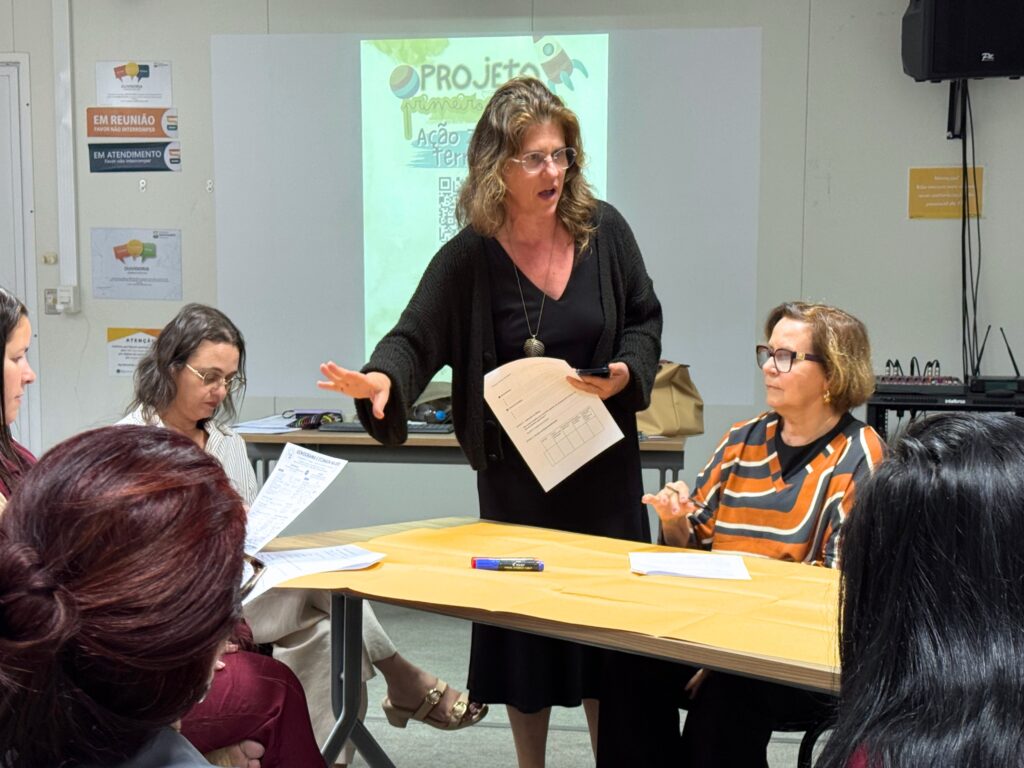
During the workshop, held at the Anita Garibaldi Health Education and Research Center (Anita), an ISD unit in Macaíba, primary care professionals participated in dialogues and debates about the situation of children born with Zika, the factors involved in care and rehabilitation, and the multidisciplinary perspective in the current scenario. In addition, there was a practical activity involving a case study and the structuring of an Individualized Therapeutic Plan (ITP).

Nivia Arrais, a pediatrician and adjunct professor at the Federal University of Rio Grande do Norte, participated in the activity and reinforced the importance of the workshops for discussing solutions to the challenges faced by children, families, and professionals in the current context of the evolution of people affected by the Zika epidemic.

“Children with Zika have various needs. As they grow, other needs arise, other types of issues that we didn't have three or four years ago. So, school, therapies, neurological conditions, all require a differentiated, multidisciplinary approach,” the professional emphasizes.

About ISD

The Santos Dumont Institute (ISD) is a Social Organization of the Federal Executive Branch, supervised by the Ministry of Education, with the intervention of the Ministry of Sport. It encompasses the Edmond and Lily Safra International Institute of Neuroscience and the Anita Garibaldi Center for Education and Research in Health, both located in Macaíba. The ISD's mission is to promote education for life, forming citizens through integrated teaching, research, and outreach activities, as well as contributing to a more just and humane transformation of Brazilian social reality.
Communication Office
comunicacao@isd.org.br
(84) 99416-1880

Share this news

Recommended

More news

Training conducted at ISD equips healthcare professionals in Rio Grande do Norte to meet the new needs of children affected by the Zika virus.

Fotografia em grupo reunindo vinte e quatro profissionais de saúde da atenção básica do Rio Grande do Norte ao final de uma oficina de capacitação. Os participantes aparecem sorridentes dispostos em duas fileiras, uma parte em pé ao fundo e outra ajoelhada ou agachada à frente. O grupo veste roupas casuais e trajes de trabalho em tons variados, posando no centro de uma sala de reuniões com projetor e tela ao fundo. Foto: Ascom ISD.

More than ten years after the Zika epidemic, families of children born with the virus syndrome now face new challenges, with the arrival of pre-adolescence and puberty in these children. Considering the new demands of this public, the Ministry of Health and the Oswaldo Cruz Foundation (Fiocruz) promoted, last Wednesday (2), a training and updating workshop for primary care health professionals in Rio Grande do Norte, held at the Santos Dumont Institute (ISD), in Macaíba.

The activity constituted the fourth cycle of the workshop “Strengthening the Care Pathway for Children with Congenital Zika Virus Syndrome,” which began in 2025 in ten Brazilian states listed as priorities. Conducted by representatives from the Ministry of Health and Fiocruz, the initiative seeks to provide theoretical and practical updates to professionals linked to Primary Health Care (PHC) and the State Secretariat of Public Health of Rio Grande do Norte (Sesap/RN).

One of the professionals who led the initiative was Lérida Serrano, technical advisor to the General Coordination of Healthcare for Children, Adolescents and Young People at the Ministry of Health. According to the Ministry representative, the initiative arose from a demand from parents, guardians, and tutors of children born with Congenital Zika Virus Syndrome and microcephaly, who are currently experiencing new daily challenges and need to have their needs met.

For Lérida, integrating the workshop initiative with specialized services, such as the Specialized Rehabilitation Centers (CER) of the ISD, is fundamental to improving care and providing a greater perspective on quality of life for children with Zika Virus and their families. 

“At the federal level, we have been supporting the states so that this work can take place within the units, both in primary health care and in specialized units. We have been strengthening institutions, such as ISD, which come to add this knowledge in partnership with the State and with primary health care, for professional qualification and rehabilitation,” says Lérida.

During the workshop, held at the Anita Garibaldi Health Education and Research Center (Anita), an ISD unit in Macaíba, primary care professionals participated in dialogues and debates about the situation of children born with Zika, the factors involved in care and rehabilitation, and the multidisciplinary perspective in the current scenario. In addition, there was a practical activity involving a case study and the structuring of an Individualized Therapeutic Plan (ITP).

Nivia Arrais, a pediatrician and adjunct professor at the Federal University of Rio Grande do Norte, participated in the activity and reinforced the importance of the workshops for discussing solutions to the challenges faced by children, families, and professionals in the current context of the evolution of people affected by the Zika epidemic.

“Children with Zika have various needs. As they grow, other needs arise, other types of issues that we didn't have three or four years ago. So, school, therapies, neurological conditions, all require a differentiated, multidisciplinary approach,” the professional emphasizes.

About ISD

The Santos Dumont Institute (ISD) is a Social Organization of the Federal Executive Branch, supervised by the Ministry of Education, with the intervention of the Ministry of Sport. It encompasses the Edmond and Lily Safra International Institute of Neuroscience and the Anita Garibaldi Center for Education and Research in Health, both located in Macaíba. The ISD's mission is to promote education for life, forming citizens through integrated teaching, research, and outreach activities, as well as contributing to a more just and humane transformation of Brazilian social reality.

Communication Office
comunicacao@isd.org.br
(84) 99416-1880

Share this news